Introduction
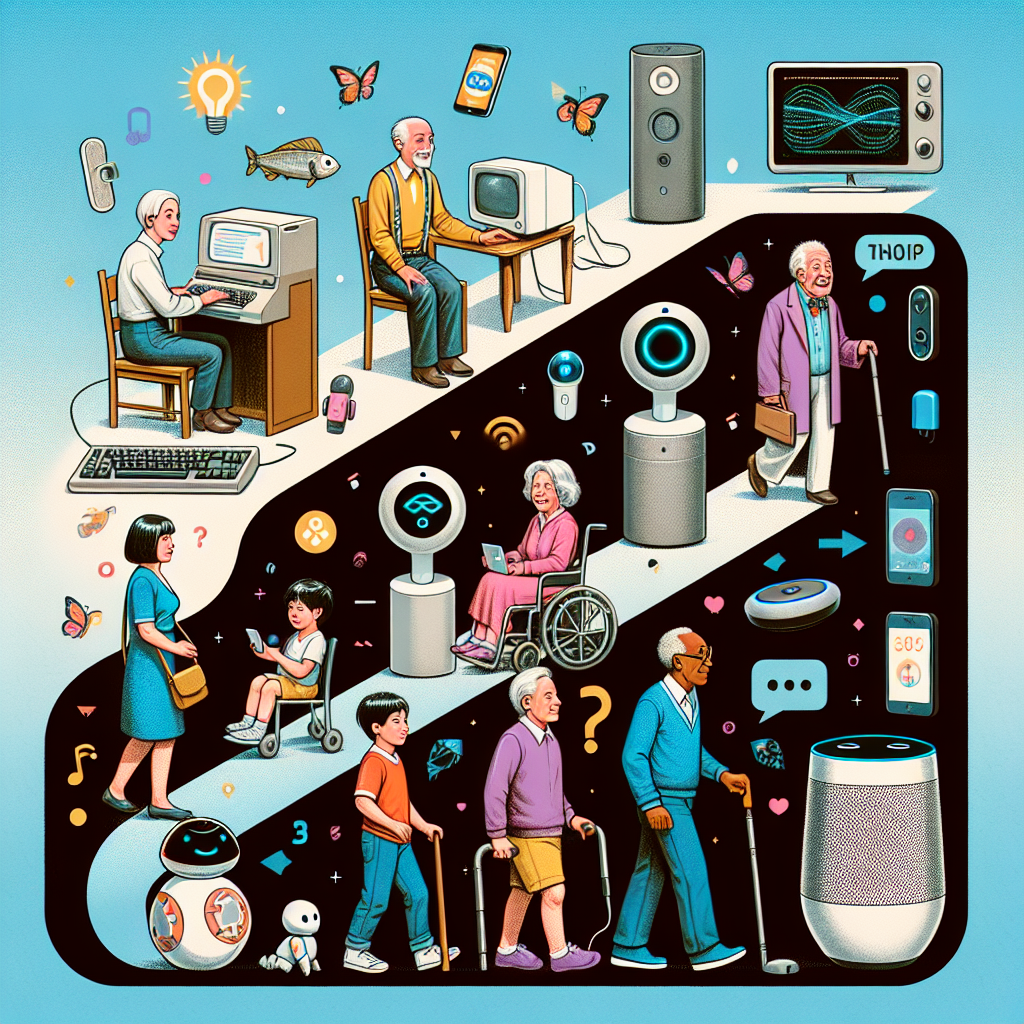
The advent of artificial intelligence (AI) has revolutionized human-machine interactions. From rudimentary systems, we’ve evolved into sophisticated AI assistants that can perform myriad tasks. This article delves into the historical context, technological advancements, applications, and future of AI assistants, providing insights into how they shape our daily lives and work environments.
H2: The Historical Context of AI Assistants
H3: The Dawn of Computing
The journey of AI began in the mid-20th century. Early computers, built primarily for calculation, lacked the intelligence we associate with AI today. These machines processed data but couldn’t understand or respond to natural language, limiting interaction to the most basic commands.
H3: The Birth of Natural Language Processing (NLP)
With the introduction of Natural Language Processing in the 1960s, researchers sought to bridge the gap between human communication and machine understanding. Programs like ELIZA, which simulated conversation, marked the beginning of AI’s ability to interact with users more intuitively.
H3: The AI Winters
Despite early promise, the field of AI faced significant setbacks during the 1970s and 1980s, known as the “AI winters.” Limited computational power and unrealistic expectations led to reduced funding and progress. However, researchers persisted, slowly laying the groundwork for future advancements.
H2: The Rise of AI Assistants
H3: The 1990s and 2000s: A New Wave
The 1990s marked a resurgence in AI development. Personal digital assistants (PDAs) like Palm Pilot utilized basic AI to manage schedules and notes, albeit without voice recognition. The introduction of smartphones in the 2000s heralded a new phase in human-machine interaction.
H3: The Role of Machine Learning
Machine learning (ML) played a pivotal role in the evolution of AI assistants. Enhanced algorithms allowed machines to learn from data, making them increasingly responsive to user needs. This innovation paved the way for voice recognition technologies that became mainstream.
H3: The Launch of Siri
In 2011, Apple launched Siri, the first widely recognized AI assistant. Siri combined voice recognition with NLP, allowing users to perform tasks using verbal commands. This milestone not only signified a major leap in technology but also changed public perception, making AI assistants a desirable consumer product.
H2: Defining AI Assistants in Today’s Context
H3: Characteristics of Modern AI Assistants
Today’s AI assistants like Google Assistant, Amazon Alexa, and Microsoft Cortana are characterized by:
- Natural Language Understanding: These systems can comprehend and process human language more accurately than ever.
- Contextual Awareness: AI assistants use context to provide personalized responses, increasing relevance and improving user experience.
- Multi-Modal Interactions: Modern assistants support various modes of communication, including voice, text, and visual inputs.
H3: Popular AI Assistants
- Google Assistant: Known for its powerful search capabilities and integration with smart home devices.
- Amazon Alexa: Offers versatility in controlling smart homes and an extensive skill ecosystem.
- Apple’s Siri: Seamlessly integrates with Apple devices, offering a user-friendly experience.
H3: Applications Across Industries
AI assistants have found applications across various sectors:
- Healthcare: AI assistants offer patient support, appointment scheduling, and medication reminders.
- Finance: Financial institutions utilize AI for customer service, fraud detection, and personalized financial advice.
- Education: AI tutors provide personalized learning experiences, enhancing student engagement.
H2: Technological Innovations Shaping the Future of AI Assistants
H3: Advances in Deep Learning
Deep learning has significantly improved the capabilities of AI assistants. By leveraging neural networks, these systems can analyze vast amounts of data, leading to better prediction and decision-making capabilities.
H3: Integration of Emotion Recognition
Future AI assistants are expected to incorporate emotion recognition techniques. This would enable them to understand user emotions and respond appropriately, enhancing overall interaction quality.
H3: Improved Security Measures
As AI assistants become more integrated into our lives, security concerns become paramount. Innovations such as voice recognition and biometric authentication will likely heighten security, ensuring user privacy.
H2: Ethical Considerations in AI Assistants
H3: Privacy and Data Security
As AI assistants collect vast amounts of personal data, privacy issues are a major concern. Users must be aware of data handling practices and the implications regarding their information security.
H3: Bias in AI Algorithms
AI systems can inadvertently perpetuate biases present in their training data. It is crucial to establish guidelines for identifying and mitigating bias in AI assistants to ensure fair treatment across diverse user bases.
H3: Job Displacement Concerns
Automation through AI assistants may lead to job displacement in various sectors, raising ethical questions about the future of work and the need for reskilling the workforce.
H2: The Future of Human-Machine Interaction
H3: The Role of AI in Smart Homes
As smart home technology becomes more prevalent, AI assistants will play a central role in managing devices, optimizing energy use, and enhancing security features.
H3: AI Assistants in Workplace Settings
In professional environments, AI assistants will streamline processes, automate repetitive tasks, and facilitate collaboration among teams, ultimately boosting productivity.
H3: Continued Evolution
The future of AI assistants is intersectional and evolving with advancements in technology, user behavior, and societal norms. This trajectory promises a future where human-machine interactions are more intuitive, personalized, and enriching.
H2: Conclusion
AI assistants epitomize a significant step in the evolution of human-machine interaction. From their humble beginnings in the 20th century to the highly sophisticated systems of today, these tools continue to shape how we communicate and interact with technology. By enhancing efficiency across sectors and offering personalized assistance, AI assistants are poised to define the future of technology in our daily lives.
SEO Keywords:
- AI assistants
- human-machine interaction
- natural language processing
- machine learning
- voice recognition
Overall, the exploration of AI assistants not only reflects technological progress but also stimulates important discussions regarding ethics, privacy, and the future landscape of work. With continuous advancements on the horizon, it is essential to stay informed and proactive in navigating the implications of these technologies in our lives.