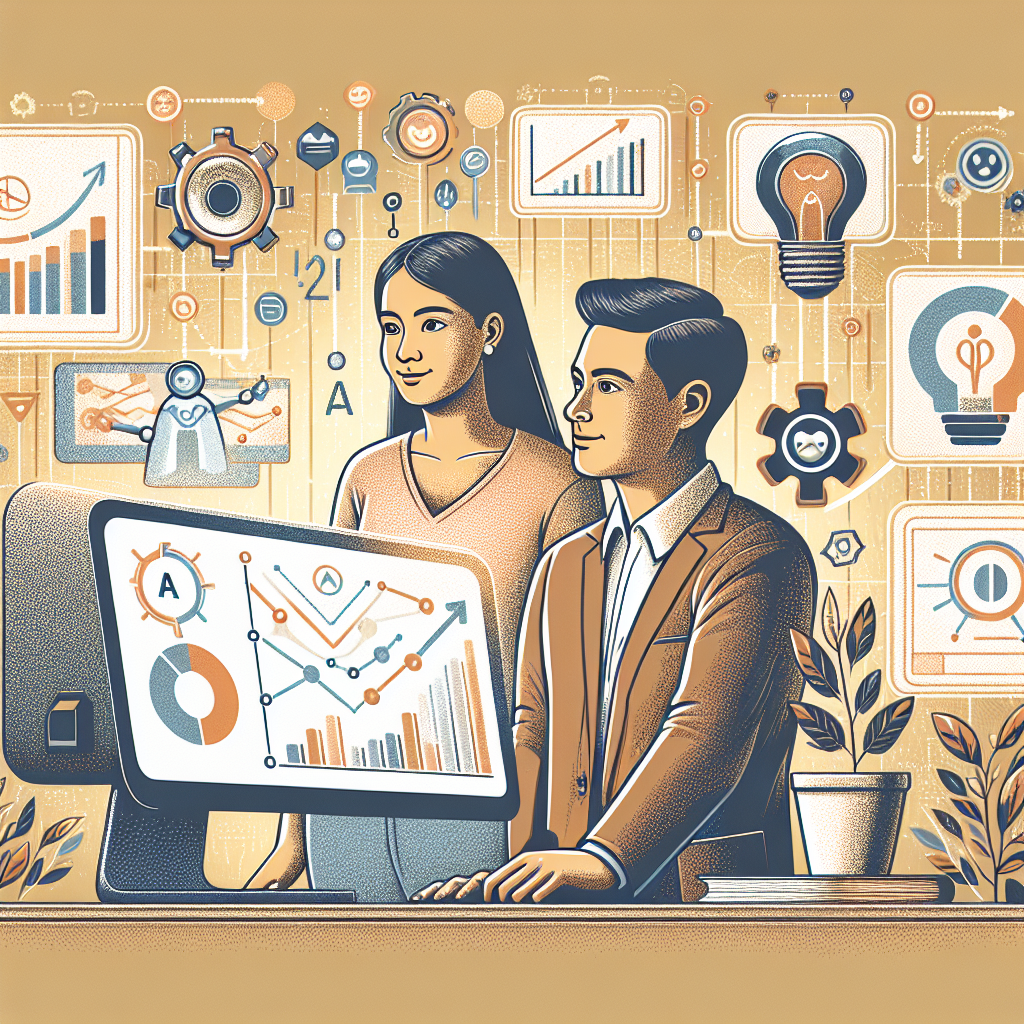
In the realm of modern business, small companies often find themselves juggling multiple responsibilities. From managing inventory to nurturing customer relationships, the tasks can become overwhelming. Amid this complexity, artificial intelligence (AI) offers a promising solution, especially in the area of marketing automation. This article delves deep into how AI can empower small businesses, streamline operations, and drive growth.
Table of Contents
- Understanding Marketing Automation
- The Role of AI in Marketing Automation
- Benefits of AI-Driven Marketing Automation for Small Businesses
- Choosing the Right AI Tools
- Implementing AI Technology: A Step-by-Step Guide
- Real-World Examples
- Challenges and Considerations
- Future of AI in Small Business Marketing
- Conclusion
Understanding Marketing Automation
What Is Marketing Automation?
Marketing automation refers to the suite of software tools and technologies designed to automate repetitive marketing tasks. This can include email campaigns, social media posting, and lead management, among other functions. By streamlining these processes, businesses can save time, reduce errors, and improve consistency in their marketing efforts.
The Importance of Automation in Small Business
For small businesses, automation can be a game-changer. Limited resources often mean that marketing efforts can be inconsistent or poorly executed. Utilizing marketing automation tools allows small businesses to maintain a steady flow of communication with customers, nurture leads, and ultimately drive sales without requiring proportional increases in effort or budgets.
The Role of AI in Marketing Automation
AI: The Game Changer
AI technologies, including machine learning and natural language processing, have transformed the landscape of marketing automation. By harnessing large datasets, AI algorithms can identify patterns, predict customer behavior, and personalize marketing messages.
How AI Enhances Marketing Automation
- Data Analysis: AI can analyze customer data to identify trends and preferences, allowing businesses to tailor their marketing strategies accordingly.
- Personalization: AI enables personalized marketing experiences. For instance, email campaigns can be tailored to individual customer profiles based on past behavior.
- Predictive Analytics: This allows small businesses to anticipate customer needs and optimize inventory and promotions accordingly.
- Chatbots and Customer Care: AI-driven chatbots can handle customer inquiries in real time, improving engagement and response times.
Benefits of AI-Driven Marketing Automation for Small Businesses
1. Efficiency and Time-Saving
One of the biggest advantages of using AI in marketing automation is increased efficiency. By automating repetitive tasks, small business owners can dedicate more time to strategic planning and execution.
2. Enhanced Customer Experience
Personalized marketing efforts can enhance the customer experience, leading to increased satisfaction and loyalty. AI-driven tools can segment audiences more effectively, ensuring that marketing messages resonate with the right people.
3. Improved ROI
Using AI can lead to better targeting and conversion rates, ultimately improving return on investment (ROI) for marketing efforts. Businesses can allocate resources more efficiently, minimizing waste and maximizing impact.
4. Scalability
AI-driven solutions can easily scale as the business grows. This flexibility allows small businesses to adopt new strategies and technologies without a complete overhaul of their systems.
Choosing the Right AI Tools
Key Features to Look For
When considering AI tools for marketing automation, small businesses should look for:
- Integration Capabilities: Ensure that the AI tools can easily integrate with existing systems, including customer relationship management (CRM) and social media platforms.
- Ease of Use: User-friendly interfaces are crucial, especially for teams with limited technical expertise.
- Customizability: The ability to tailor features to specific business needs can significantly enhance effectiveness.
- Support and Resources: Opt for tools that offer robust customer support and educational materials to assist in implementation and troubleshooting.
Recommended AI Tools
- HubSpot: Known for its comprehensive marketing solutions, HubSpot provides tools for email marketing, social media management, and analytics with strong AI capabilities.
- Mailchimp: While primarily an email marketing platform, Mailchimp has integrated AI features that personalize content and optimize send-time for campaigns.
- Hootsuite: This social media management tool uses AI to schedule posts at optimal times, analyze engagement data, and manage customer interactions.
- Zapier: While not exclusively an AI tool, Zapier automates workflows between different applications, allowing businesses to streamline processes without coding.
Implementing AI Technology: A Step-by-Step Guide
Step 1: Define Your Goals
Before implementing AI tools, small businesses should define clear marketing goals. Whether it’s increasing brand awareness, generating leads, or improving customer retention, having a defined objective will guide the selection and use of AI tools.
Step 2: Analyze Current Processes
Conduct an audit of current marketing processes to identify areas that can benefit from automation. This may involve examining customer engagement strategies, content distribution, and lead nurturing approaches.
Step 3: Select Tools
Based on the analysis and goals, select the appropriate AI marketing automation tools. Consider factors such as budget, ease of use, and integration capabilities.
Step 4: Train Your Team
Invest in training for your team to ensure they are comfortable using the new tools. This may involve formal training sessions or online resources provided by the software vendors.
Step 5: Monitor and Adjust
After implementation, continuously monitor the performance of the AI-driven marketing strategies. Use data analytics to understand what works and what doesn’t, and be prepared to make adjustments as necessary.
Real-World Examples
Example 1: Fashion Retailer
A small fashion retailer used AI tools to personalize email marketing campaigns. By analyzing customer purchase history and browsing behavior, they created tailored promotions that increased engagement rates by 30%. This approach not only drove sales but enhanced customer loyalty.
Example 2: Local Service Provider
A local service provider implemented AI chatbots on their website to answer customer inquiries 24/7. This led to a 25% increase in leads generated through the website, as potential clients received immediate assistance, even outside business hours.
Challenges and Considerations
Data Privacy and Security
As small businesses adopt AI technologies, they must also be vigilant about data privacy and security. Compliance with regulations like GDPR and CCPA is crucial to avoid potential legal pitfalls.
Cost of Implementation
While many AI tools are designed for small businesses, initial costs can still be a barrier. It’s essential to weigh the potential ROI against the investment and seek out tools that offer a good balance of features and affordability.
Continuous Learning
AI technology is constantly evolving. Small businesses will need to stay informed about emerging trends and tools to leverage AI effectively, requiring ongoing education and adaptation.
Future of AI in Small Business Marketing
As AI technology develops, its role in marketing automation is expected to grow even more significant. Emerging capabilities like voice search optimization, advanced predictive analytics, and even deeper personalization will change how small businesses connect with customers. Embracing these trends early can offer a competitive edge.
Conclusion
In conclusion, the integration of AI in marketing automation presents unique opportunities for small businesses. By leveraging AI tools effectively, small enterprises can streamline their marketing efforts, enhance customer experiences, and ultimately achieve greater growth. With careful planning, implementation, and monitoring, the potential of AI for the people becomes a powerful ally in navigating the challenges of the business landscape.
Embracing AI is not just a trend; it’s a critical step in ensuring the sustainability and success of small businesses in an increasingly digital world. Whether you’re just starting out or looking to take your existing marketing efforts to the next level, the journey into AI-driven marketing automation could be one of the most rewarding decisions you make.