Introduction
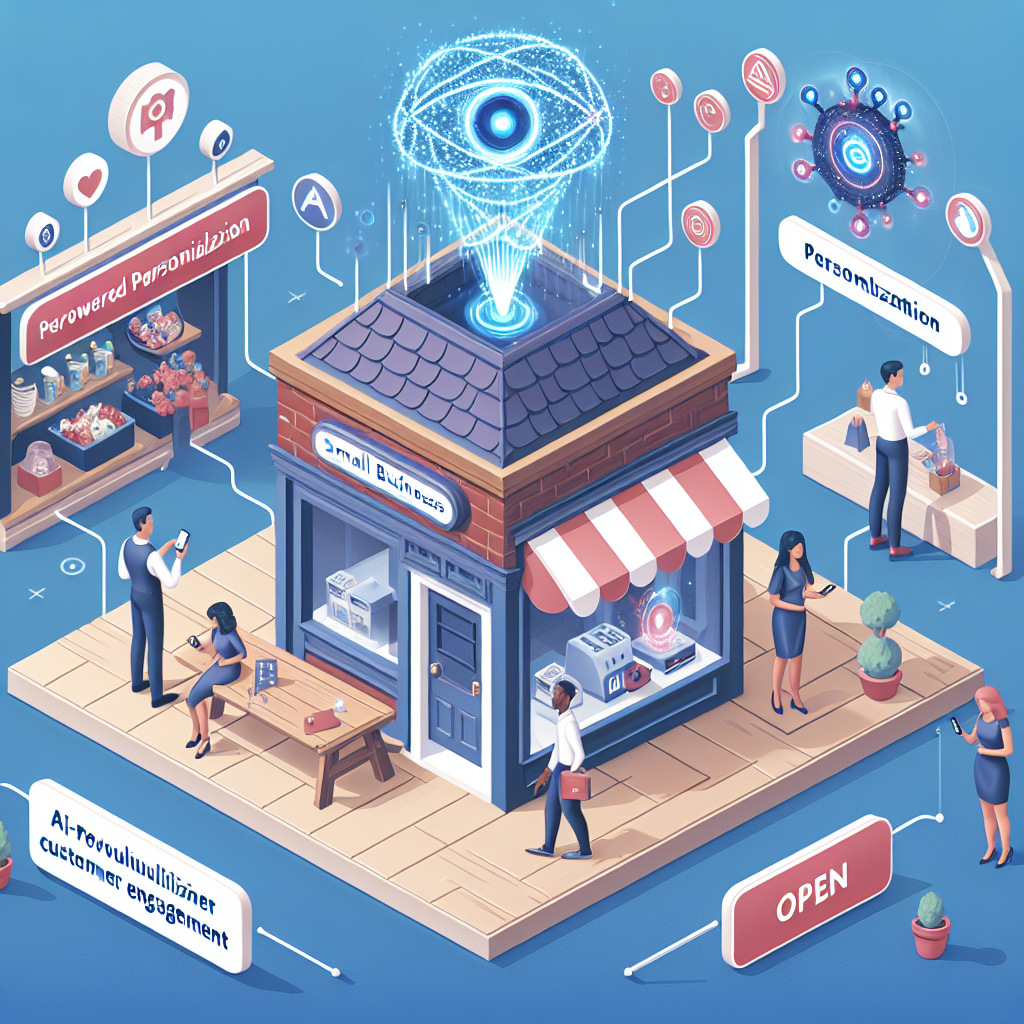
In an era marked by technological advancements, artificial intelligence (AI) stands at the forefront of transforming customer engagement, especially for small businesses. While large corporations have historically dominated personalization efforts, the rise of AI technology has leveled the playing field, enabling even the smallest enterprises to enhance their customer interactions. This article delves into the multifaceted realm of AI-powered personalization, exploring its significance, benefits, strategies, and tools that can empower small businesses to engage customers effectively.
Understanding AI-Powered Personalization
What is AI-Powered Personalization?
AI-powered personalization refers to the use of artificial intelligence techniques to tailor products, services, and marketing efforts to individual customer preferences and behaviors. By analyzing vast amounts of data, AI can identify patterns and trends that inform personalized experiences, ultimately driving customer satisfaction and loyalty.
The Importance of Personalization in Customer Engagement
-
Enhanced Customer Experience: By personalizing interactions, businesses can make customers feel valued and understood.
-
Increased Conversions: Customized recommendations and targeted marketing strategies often lead to increased sales and customer retention.
-
Competitive Advantage: In a crowded marketplace, offering personalized experiences can help small businesses differentiate themselves from competitors.
The Role of AI in Personalization
Data Collection and Analysis
AI excels at data aggregation and analysis, drawing insights from customer behavior across various channels. Small businesses can leverage this data to foresee trends and preferences, enabling proactive engagement strategies.
Techniques Used:
-
Machine Learning Algorithms: These algorithms analyze past customer behavior to predict future actions.
-
Natural Language Processing (NLP): NLP helps understand customer queries and sentiments, tailoring responses accordingly.
Customer Segmentation
AI tools can categorize customers into distinct groups based on demographics, behaviors, and preferences. This enables small businesses to create targeted marketing campaigns designed to resonate with specific audience segments.
Predictive Analytics
Predictive analytics allows small businesses to forecast customer needs and behaviors. By understanding what products or services a customer is likely to need next, companies can proactively offer solutions, improving the likelihood of conversion.
Benefits of AI-Powered Personalization for Small Businesses
1. Cost-Effective Marketing Approaches
AI-driven strategies often prove more cost-effective compared to traditional marketing practices. Personalized campaigns typically yield higher returns on investment (ROI), allowing small businesses to maximize their limited budgets.
2. Improved Customer Retention
By offering tailored experiences and communications, businesses can foster deeper relationships with their customers, leading to increased loyalty and long-term patronage.
3. Enhanced Decision-Making
AI provides actionable insights from data analysis, enabling small business owners to make informed decisions regarding inventory, marketing strategies, and customer interactions.
4. Real-Time Engagement
AI allows for real-time engagement with customers through chatbots and instant recommendations. This immediacy can significantly improve customer satisfaction and the chances of conversion.
Strategies for Implementing AI-Powered Personalization
Step 1: Collecting Data
Small businesses should focus on gathering valuable data from various touchpoints, including:
- Website analytics
- Social media interactions
- Customer feedback
- Sales history
Step 2: Choosing the Right Tools
Several AI-powered tools can assist small businesses in personalizing their offerings, including:
a. AI-Powered Email Marketing Platforms
These platforms analyze customer behavior to send personalized email recommendations and promotional content.
b. Customer Relationship Management (CRM) Systems
Modern CRMs leverage AI to track customer interactions and segment audiences effectively.
c. Chatbots
Chatbots can provide personalized customer support, enhance engagement, and gather insights in real time.
Step 3: Crafting Tailored Content
Content personalization plays a key role in engaging customers. Tools like AI-driven content generators can help create targeted messages or product descriptions that appeal to specific audience segments.
Step 4: Continuous Improvement
Regularly measuring the effectiveness of personalized strategies is vital. Small businesses should leverage analytics to assess performance and make necessary adjustments.
Case Studies: Successful AI-Powered Personalization in Small Businesses
Example 1: A Small E-commerce Store
A local e-commerce store implemented an AI-driven recommendation engine on its website. By analyzing customer purchase history and browsing behavior, the AI suggested relevant products, resulting in a 25% increase in conversion rates.
Example 2: A Local Restaurant
A restaurant used AI to analyze customer preferences and dining habits. By sending personalized promotions and reminders based on past orders, the restaurant experienced a notable uptick in repeat visits and customer satisfaction.
Overcoming Challenges in AI Implementation
1. Budget Constraints
While AI tools have become more accessible, the costs associated with initial implementation can be daunting for small businesses. Choosing the right tools and starting small can mitigate this challenge.
2. Data Privacy Concerns
With increasing scrutiny on data privacy, small businesses need to ensure compliance with regulations like GDPR. Establishing transparent practices regarding data usage can foster trust with customers.
3. Technology Literacy
Not every small business owner has a technical background. Investing time in learning about AI tools and seeking professional training can equip business owners with the necessary skills.
Future Trends in AI-Powered Personalization
1. Hyper-Personalization
As AI capabilities advance, the trend towards hyper-personalization—where interactions are tailored not just to segments, but individual customers—will become more pronounced.
2. Voice Assistants
With the rise of smart devices and voice-activated technology, integrating voice assistants into customer engagement strategies will become increasingly important.
3. Ethical AI
With growing concerns about data usage and ethical implications, businesses will increasingly focus on transparent, responsible AI practices that prioritize customer privacy.
Conclusion
AI-powered personalization represents an unprecedented opportunity for small businesses to enhance customer engagement and drive growth. By understanding the intricacies of AI technology and implementing sound strategies, small enterprises can harness the power of personalized experiences to stay competitive in today’s market. As AI technology continues to evolve, the potential for revolutionary engagement practices will only expand, making it essential for small businesses to embrace these tools today.
Frequently Asked Questions (FAQs)
1. How can small businesses get started with AI-powered personalization?
Begin by identifying customer touchpoints for data collection and choose user-friendly AI tools to analyze that data effectively.
2. Are AI tools expensive for small businesses?
While some tools may carry a high initial cost, many affordable options exist that can yield significant returns on investment.
3. Do I need technical expertise to implement AI personalization?
While some foundational knowledge helps, many AI tools are designed to be user-friendly, making them accessible to small business owners without a technical background.
By understanding and implementing AI-powered personalization, small businesses can revolutionize their customer engagement strategies, ensuring long-term success and sustainability in a competitive landscape.