Introduction
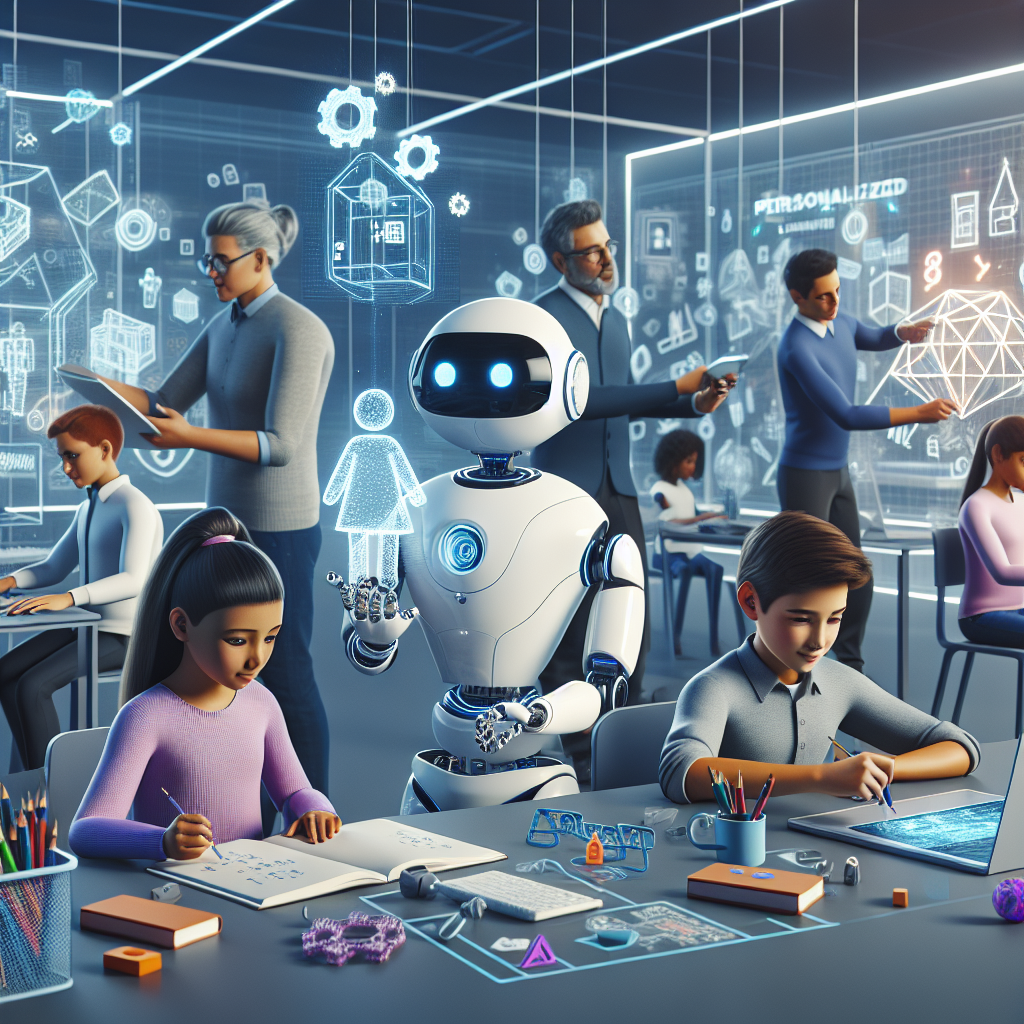
Artificial Intelligence (AI) is revolutionizing numerous industries, and education is no exception. As technology evolves, educators and institutions are increasingly adopting AI tools to foster personalized learning experiences that cater to the individual needs of students. This article explores the significance of AI in education, how it enables personalized learning, and the challenges and opportunities it presents for the next generation of learners.
Understanding AI in Education
What is AI?
AI refers to computer systems designed to perform tasks that normally require human intelligence, such as understanding natural language, recognizing patterns, and making decisions. In the context of education, AI empowers tools that analyze student data to personalize the learning experience.
The Role of AI in Education
AI enhances various aspects of education, including:
- Adaptive Learning Platforms: These systems adjust the curriculum based on a student’s strengths and weaknesses.
- Assessment Tools: AI can deliver assessments in real-time, providing instant feedback for both students and educators.
- Chatbots and Virtual Tutors: These AI-driven interfaces provide 24/7 assistance to students for academic queries.
- Data Analysis: AI analyzes vast amounts of data to identify trends in student performance and engagement.
Personalized Learning: A Concept Redefined
What is Personalized Learning?
Personalized learning refers to educational experiences that are tailored to meet the individual needs, skills, and interests of each student. This approach moves away from a one-size-fits-all model and encourages a more student-centered learning environment.
The Importance of Personalized Learning
- Engagement: Tailored learning experiences increase student engagement by aligning lessons with their personal interests and learning paces.
- Efficiency: Students bypass content they already understand, focusing on areas that require more attention.
- Skill Development: Personalized learning enables students to develop skills at their own pace, encouraging mastery rather than rote memorization.
- Enhanced Outcomes: By meeting the unique needs of each student, personalized learning fosters improved academic performance and motivation.
How AI Facilitates Personalized Learning
1. Data-Driven Insights
AI leverages analytics to gather insights on student performance, preferences, and engagement. By analyzing this data, educators can:
- Identify learning gaps
- Monitor progress over time
- Adjust individualized learning paths quickly
Example: Learning Analytics Platforms
Platforms like DreamBox and McGraw-Hill utilize AI to track student progress continuously, providing educators with actionable insights to enhance learning experiences.
2. Adaptive Learning Environments
Adaptive learning technologies use AI algorithms to modify content and assessments based on real-time feedback from students.
Example: Knewton
Knewton’s adaptive learning technology personalizes online course materials to suit individual student needs, adjusting the difficulty level and types of tasks based on ongoing assessment.
3. AI Tutoring Systems
AI-powered tutoring systems provide on-demand assistance, addressing students’ questions and difficulties 24/7.
Example: Carnegie Learning
Carnegie Learning’s MATHia software utilizes AI to adapt to student responses, offering personalized problem-solving strategies and support.
The Future of AI in Education
Emerging Trends
- Increased Use of Virtual Reality (VR): Integrating AI with VR can provide immersive learning experiences.
- Augmented Reality (AR): AI-powered AR applications can support hands-on learning in fields such as science and engineering.
- Gamification: AI can enhance gamified learning by personalizing challenges and rewards to optimize student engagement.
- Natural Language Processing (NLP): Advances in NLP will enable smarter interactions with AI tutors and chatbots.
Preparing Educators for AI Integration
To effectively incorporate AI into the classroom, educators need training on how to use these technologies. This includes understanding:
- How to interpret data analytics effectively.
- Adapting teaching styles to integrate AI tools alongside traditional methods.
- Creating an ethical framework to deal with data privacy issues.
Challenges of AI in Education
1. Data Privacy Concerns
With increasing reliance on data to drive personalized learning experiences, questions about data security and privacy arise. Institutions must ensure that they comply with laws such as FERPA (Family Educational Rights and Privacy Act) to protect student data.
2. Equity and Access
While AI can enhance learning, there’s a risk of widening the educational gap for students lacking access to technology. Rural and low-income students may face challenges accessing AI-driven platforms, hampering personalized learning opportunities.
3. Implementation Costs
Integrating AI in education involves substantial investment in technology and training. Schools may struggle to allocate sufficient budgets for such initiatives, hindering effective implementation.
Case Studies: Successful AI Implementation in Education
Case Study 1: Pearson
Pearson’s AI-driven products like MyLab and Mastering utilize adaptive learning technology to personalize educational content for students in higher education. The company has reported improved student outcomes, engagement, and retention since implementing AI tools.
Case Study 2: Georgia State University
Georgia State University implemented an AI chatbot named Pounce to assist students in navigating admission processes, financial aid, and course selection. The initiative resulted in increased student engagement and retention rates as new students received timely information and support.
Conclusion
As AI continues to evolve, its potential to reshape education becomes increasingly apparent. Personalized learning facilitated by AI offers a promising avenue for students to thrive academically, enhancing engagement, efficiency, and overall learning outcomes. However, addressing the challenges of data privacy, equity, and implementation costs is crucial for harnessing the full benefits of AI in education.
The next generation of learners deserves an environment where their individual needs are met, and AI is poised to play a significant role in making that a reality. It’s time for educational institutions, policymakers, and stakeholders to collaborate and invest in the necessary infrastructures and training that will pave the way for a future enriched by personalized learning.
FAQs
1. How does AI personalize learning for students?
AI personalizes learning by analyzing student performance data, adapting content and challenges to suit individual learning paces and styles.
2. Are there any privacy concerns related to AI in education?
Yes, there are concerns about data privacy when it comes to collecting and analyzing student information. It’s imperative for institutions to comply with data protection laws to safeguard student data.
3. Can AI tutoring systems replace teachers?
AI tutoring systems are designed to supplement, not replace, teachers. They provide additional support and resources while allowing educators to focus on more complex teaching tasks.
By harnessing the power of AI, the educational landscape is set to transform, paving the way for enhanced, equitable, and personalized learning experiences for all students.