Introduction
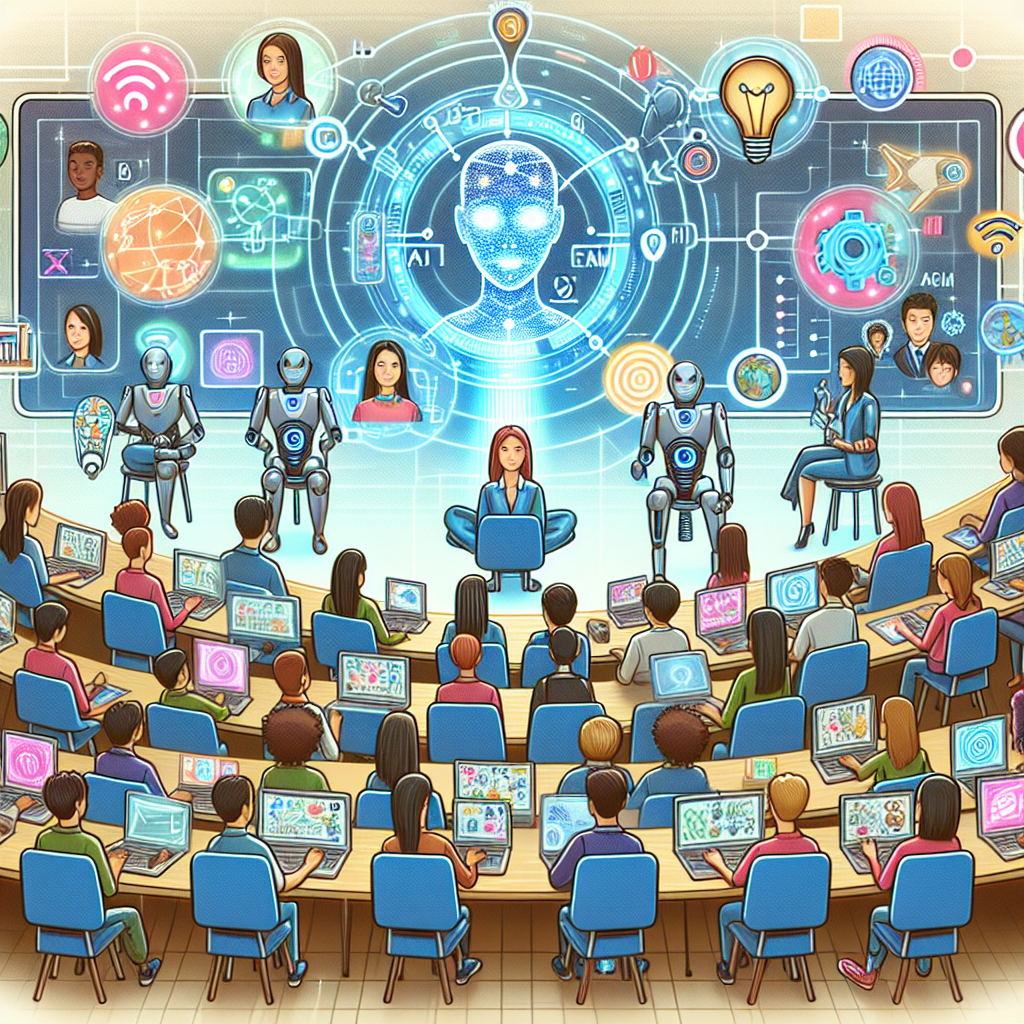
In the last decade, technology has transformed the landscape of education. Artificial Intelligence (AI) is at the forefront of this change, shaping how students learn and interact with educational content. As we delve into the future of education, it becomes clear that AI is not just a tool but a catalyst for personalizing learning experiences. From adaptive learning platforms to AI-driven assessments, the potential of AI in education is vast and varied. This article explores the myriad ways AI is revolutionizing personalized learning and what that could mean for students, teachers, and educational institutions worldwide.
Understanding the Concept of Personalized Learning
What is Personalized Learning?
Personalized learning refers to customized educational experiences tailored to the individual needs, skills, and interests of each student. Unlike the traditional “one-size-fits-all” approach, personalized learning employs flexible pathways, allowing students to progress at their own pace and style.
The Importance of Personalization
Research indicates that students perform better in environments where their individual learning styles are acknowledged and supported. Personalized learning can boost student engagement, motivation, and retention. According to a report by the Bill & Melinda Gates Foundation, students who experience personalized learning often demonstrate higher academic performance and increased self-efficacy.
The Role of AI in Educational Personalization
AI-Powered Learning Platforms
Adaptive Learning Systems
Adaptive learning systems utilize AI algorithms to tailor educational content based on a student’s proficiency. These platforms analyze data to adjust the curriculum in real time, presenting challenges when students are ready and providing support when they struggle. For example, platforms like DreamBox Learning and Knewton analyze students’ interactions and adapt courses to match their unique learning journeys.
Intelligent Tutoring Systems
Intelligent Tutoring Systems (ITS) are another frontier in AI-enhanced education. These systems provide real-time feedback and individualized instruction. Programs like Carnegie Learning offer personalized math tutoring, framing questions based on previous responses to ensure that students grasp fundamental concepts before moving on.
Data Analysis for Customized Learning
AI’s ability to process vast amounts of data allows educators to gain insights into student performance that were previously unattainable. By analyzing trends, strengths, and weaknesses, teachers can adjust their approaches to meet individual needs better.
Predictive Analytics
Predictive analytics involves using historical data to forecast student outcomes. For instance, platforms can identify students at risk of failing a course and offer interventions tailored to their specific challenges. This preemptive approach can significantly improve retention rates and student success.
Enhanced Feedback Mechanisms
AI can streamline feedback mechanisms, making them more immediate and useful. Rather than relying solely on periodic assessments, AI systems provide ongoing feedback that helps students identify areas for improvement and encourages continual growth.
How AI is Improving Teacher Effectiveness
Automating Administrative Tasks
One of the significant burdens on teachers is administrative tasks like grading and data entry. AI can automate these time-consuming responsibilities, allowing educators to focus more on teaching and interacting with their students. Tools like Gradescope utilize AI for grading assignments, enabling teachers to give timely feedback without sacrificing quality.
Professional Development through AI
AI-driven platforms can also assist teachers in their professional development. By analyzing their teaching patterns and student interactions, these tools can recommend training programs and resources tailored to their needs. This personalized coaching can enhance teacher effectiveness and ultimately improve student outcomes.
Case Studies in AI-Driven Personalized Learning
Knewton: Tailoring Higher Education
Knewton offers an adaptive learning platform that adjusts content based on individual student performance. By personalizing the curriculum, Knewton helps students engage with material that suits their learning style, promoting better understanding and retention. Schools implementing Knewton have reported improvements in comprehension and overall academic performance.
DreamBox Learning: Math Education Revolutionized
DreamBox Learning is transforming how students learn math through personalized lessons tailored to each child’s understanding of concepts. The use of real-time data allows the system to adapt and present concepts in engaging ways, maintaining student interest and improving academic outcomes.
Carnegie Learning: AI-Enhanced Tutoring
Carnegie Learning uses AI to power its math tutoring programs. By combining cognitive science with AI technology, the platform provides personalized instruction that adjusts based on real-time data. Schools using this system have seen significant increases in student mastery rates.
Challenges of Implementing AI in Education
Data Privacy Concerns
With the influx of data collected by AI systems, concerns around student privacy and data security have come to the forefront. Educational institutions must ensure that data is stored safely and used ethically, complying with regulations like the Family Educational Rights and Privacy Act (FERPA).
Equity in Access
While AI offers immense benefits, not all students have equal access to the technology. Schools in underfunded areas may struggle to implement advanced AI systems, creating educational disparities. Future efforts must focus on bridging this digital divide to ensure all students can benefit from AI-enhanced learning.
Teacher Training and Acceptance
Teachers play a crucial role in implementing AI effectively, yet many educators feel unprepared to integrate technology into their teaching. Professional development focused on using AI tools can help teachers understand the potential benefits and limitations, enabling them to maximize the impact on student learning.
The Future Landscape of AI in Education
Trends to Watch
As we look to the future, several trends are expected to shape the education landscape:
-
Increased Adoption of AI in All Learning Environments: As costs decrease and accessibility improves, more educational institutions will integrate AI into their curricula and support systems.
-
Enhanced Virtual and Augmented Reality: Combining AI with VR and AR will provide immersive learning experiences, helping students grasp complex concepts in engaging and interactive ways.
-
Blended Learning Models: The combination of online and in-person learning will continue to evolve, with AI providing the personalized touch necessary for individual learning paths.
-
Collaboration Between Educators and AI Developers: Ongoing partnerships between teachers and technology creators will ensure that AI tools meet educational needs effectively.
Moving Towards an AI-Enhanced Educational Paradigm
While the possibilities are vast, the goal should always remain clear: enhancing student learning experiences. As educational institutions and policymakers navigate the integration of AI into learning environments, focusing on collaboration, ethics, and equity will be essential. By embracing the potential of AI, we can pave the way for a future where personalized learning is not just an innovative concept but a standard practice for all students.
Conclusion
The future of education is being shaped significantly by advances in AI technology. Understanding and leveraging the personalized learning experiences that AI can provide will be essential in preparing students for an increasingly complex world. By fostering innovation, ensuring equitable access, and providing necessary support for educators, we can maximize the benefits of AI in education. As we stand on the brink of this educational revolution, the vision is clear: a system where every learner has the opportunity to thrive.
Keywords and Related Terms
- Artificial Intelligence in Education
- Personalized Learning
- Adaptive Learning Systems
- Intelligent Tutoring Systems
- Data Analytics in Education
- Teacher Effectiveness
- Educational Disparities
- Future of Education
This article is designed to offer comprehensive insight into how AI is reshaping personalized learning experiences in education. Each section is structured for easy readability and seeks to engage readers while promoting understanding of the subject matter.