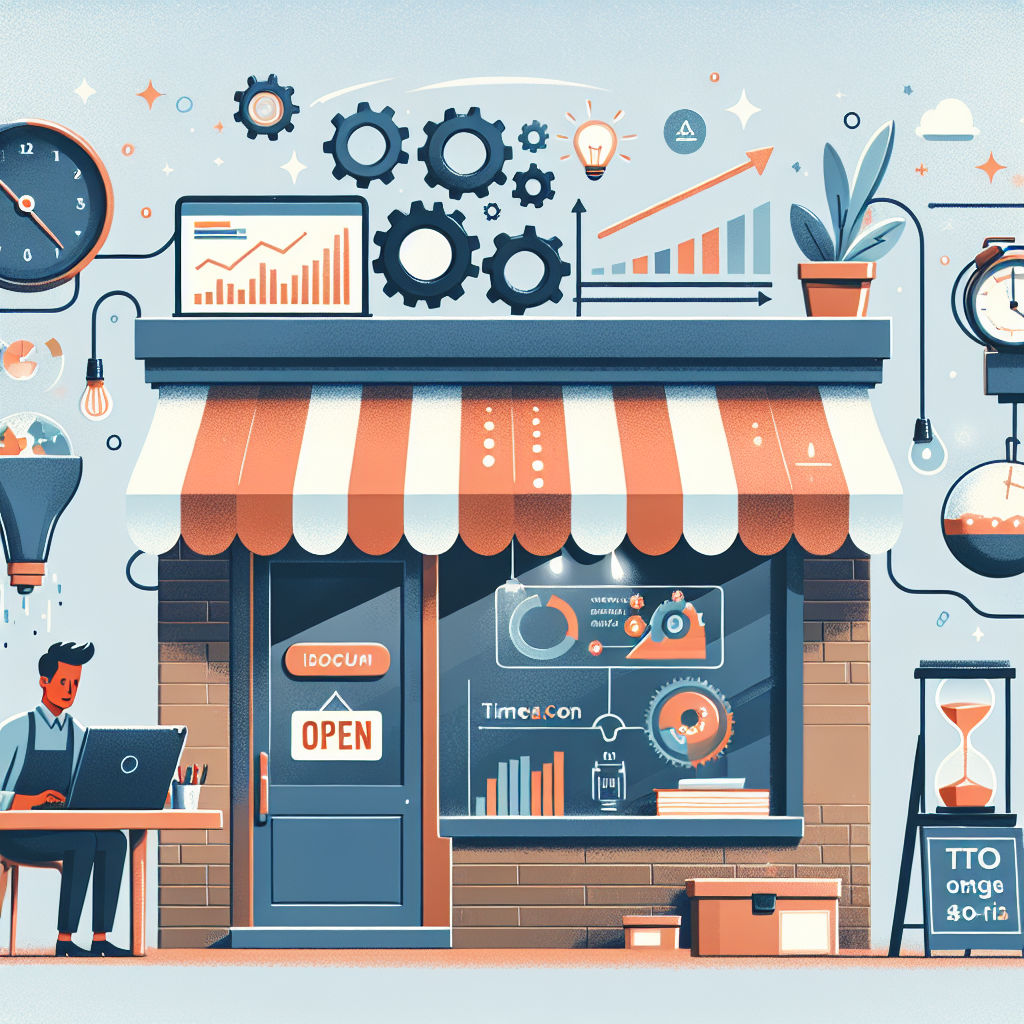
In today’s fast-paced digital landscape, small business owners face unprecedented challenges in marketing their products and services. With limited time and resources, it’s crucial to leverage tools that can streamline tasks and enhance productivity. Enter artificial intelligence (AI). This comprehensive guide explores the top AI tools that can make marketing easier for busy small business owners.
Table of Contents
- Introduction
- Understanding the Importance of AI in Marketing
- Key Benefits of Using AI Tools
- Top AI Tools for Small Business Marketing
- 4.1 AI-Powered Email Marketing Tools
- 4.2 AI-Based Content Creation Tools
- 4.3 Social Media Management Tools
- 4.4 Customer Relationship Management (CRM) Tools
- 4.5 Web Analytics Tools
- Best Practices for Implementing AI Tools
- Conclusion
1. Introduction
As a small business owner, juggling multiple responsibilities can be overwhelming. From managing daily operations to customer service, marketing often takes a back seat. In this digital age, harnessing the power of AI can transform your marketing efforts, making them more effective and efficient. This article dives deep into AI marketing tools tailored for busy entrepreneurs, enabling you to focus on what matters most—growing your business.
2. Understanding the Importance of AI in Marketing
AI has emerged as a game-changer in various sectors, and marketing is no exception. According to a report by McKinsey, companies that integrate AI into their marketing strategies can boost their profitability by 30%. AI tools can analyze vast amounts of data, helping businesses to understand customer preferences and behaviors, personalize marketing efforts, and automate routine tasks.
Why Should Small Businesses Care About AI?
- Time Savings: AI automates repetitive tasks, allowing you to focus on strategic planning and customer engagement.
- Cost-Effective: Many AI tools are affordable and provide ROI by enhancing customer experiences.
- Data-Driven Decisions: AI can analyze consumer behavior, trends, and sales forecasts, enabling informed decision-making.
3. Key Benefits of Using AI Tools
The advantages of AI in marketing are manifold. Here are some notable benefits:
- Personalization: AI enables personalized marketing efforts, which can increase customer retention and satisfaction.
- Efficiency: Automating routine tasks like email campaigns or social media postings can significantly boost productivity.
- Insights and Analytics: AI tools provide valuable insights into customer behavior, allowing for more targeted marketing strategies.
- Scalability: AI tools can easily scale with your business, accommodating increased demands without additional manpower.
4. Top AI Tools for Small Business Marketing
Here’s a curated list of the most effective AI tools tailored for small business marketing efforts.
4.1 AI-Powered Email Marketing Tools
-
Mailchimp
- Overview: Mailchimp is one of the leading email marketing platforms that utilizes AI for personalized campaigns.
- Features: Predictive analytics, automated recommendations, A/B testing, and robust segmentation options.
- Benefits: Mailchimp can help you create targeted email campaigns that cater to your audience, boosting engagement rates.
-
Sendinblue
- Overview: A comprehensive email marketing service that employs AI to optimize sending times and improve campaign performance.
- Features: SMS marketing, chat, marketing automation, and real-time reporting.
- Benefits: Its AI algorithm suggests the best times to send emails, ensuring maximum open rates.
4.2 AI-Based Content Creation Tools
-
Copy.ai
- Overview: Copy.ai leverages AI to generate high-quality content quickly.
- Features: Blog ideas, social media posts, ad copy, and product descriptions.
- Benefits: Perfect for busy entrepreneurs, Copy.ai saves hours of brainstorming and writing.
-
Jasper
- Overview: An AI writing assistant that generates content across various formats, including emails, blog posts, and social media updates.
- Features: Customized tone options, integration with SEO tools, and real-time suggestions.
- Benefits: Jasper can help you maintain a consistent brand voice while producing engaging content.
4.3 Social Media Management Tools
-
Buffer
- Overview: A social media management platform that provides AI-enabled scheduling and posting.
- Features: Performance analytics, engagement reports, and publishing queues.
- Benefits: Buffer simplifies social media management, allowing you to schedule posts and review performance without being bogged down.
-
Hootsuite
- Overview: Hootsuite is a robust platform for managing multiple social media accounts and campaigns.
- Features: AI-driven content recommendations, performance insights, and conversation tracking.
- Benefits: Hootsuite’s AI capabilities help you identify the best content and times to post for higher engagement.
4.4 Customer Relationship Management (CRM) Tools
-
HubSpot
- Overview: HubSpot offers a comprehensive CRM platform featuring AI tools for marketing automation.
- Features: Email tracking, lead scoring, and personalized outreach.
- Benefits: HubSpot’s AI analyzes customer interactions to provide actionable insights, enhancing your marketing efforts.
-
Salesforce
- Overview: Salesforce is a leading CRM that integrates AI to improve customer relationship management.
- Features: AI-driven analytics, smart data recommendations, and predictive lead scoring.
- Benefits: It helps small businesses understand customer needs and improve their outreach strategies.
4.5 Web Analytics Tools
-
Google Analytics
- Overview: While not exclusively an AI tool, Google Analytics employs machine learning to provide deep insights into web traffic and user behavior.
- Features: Audience segmentation, real-time tracking, and conversion tracking.
- Benefits: Understanding user behavior helps refine marketing strategies and enhance customer experiences.
-
Hotjar
- Overview: A behavior analytics tool that offers insights into how users interact with your website.
- Features: Heatmaps, session recordings, and form analysis.
- Benefits: Hotjar’s AI capabilities provide valuable insights that can help optimize your website for better performance.
5. Best Practices for Implementing AI Tools
Implementing AI tools effectively requires strategic planning. Here are some best practices:
Identify Needs and Goals
- Know Your Marketing Goals: Before adopting any tool, clearly define what you hope to achieve—whether it’s improving customer engagement, increasing sales, or enhancing brand awareness.
Start Small
- Pilot Programs: Implement AI tools in phases. Start with a few tools that address immediate needs and slowly expand as you become familiar.
Train Your Team
- Education: Ensure that your team understands how to use the tools effectively. Invest time in training and resources to maximize implementation.
Monitor Performance
- Continuous Evaluation: Regularly assess the performance of the AI tools you implement. Gather feedback and make necessary adjustments to optimize their use.
Stay Updated
- Keep Learning: The field of AI is continually evolving. Stay informed about new tools and trends to keep your marketing strategy ahead of the curve.
6. Conclusion
For busy small business owners, navigating the marketing landscape can feel like a daunting task. However, by incorporating AI tools into your strategy, you can streamline your efforts, enhance productivity, and ultimately drive growth. From personalized email marketing to social media management and analytics, the right AI tools can make all the difference. Start small, adapt to your needs, and watch as these technologies transform your marketing landscape into one that’s efficient and effective.
Harnessing the power of AI doesn’t just save time—it enhances the capabilities of your marketing strategy, allowing you to focus on growing your small business. With innovation at your fingertips, the future of marketing is bright.