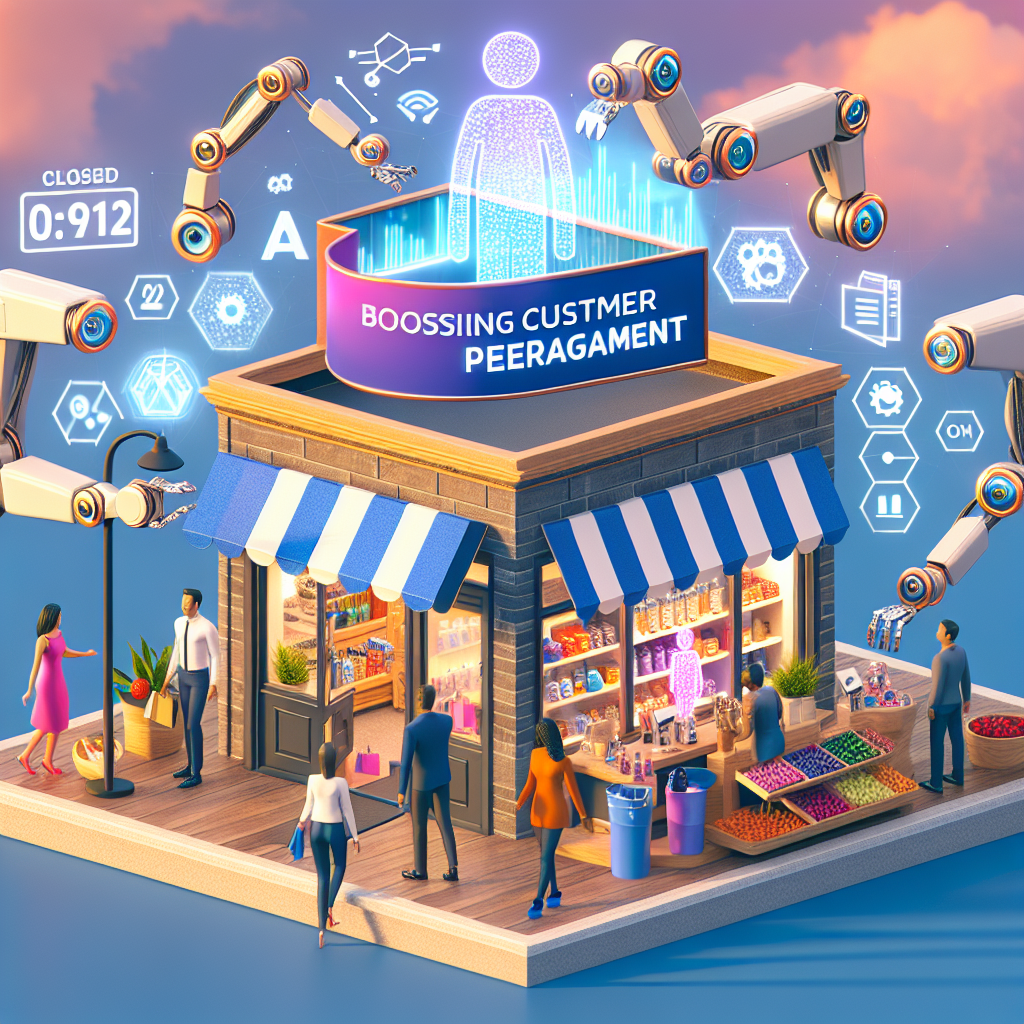
In today’s fast-paced digital landscape, customer engagement is no longer optional; it is essential, especially for small businesses striving to build lasting relationships with their clientele. A recent surge in artificial intelligence (AI) technology has revolutionized how businesses operate, offering innovative solutions to tailor customer experiences. This article explores the transformative impact of AI in personalizing the small business experience and boosting customer engagement.
Introduction
The growth of small businesses is critical to the economy, yet many face significant challenges in customer acquisition and retention. With traditional marketing strategies often falling short, leveraging AI can provide a competitive edge. This article delves into the mechanisms of AI that enhance personalization, the benefits it offers, and practical applications for small businesses.
Why Customer Engagement Matters
H2: Understanding Customer Engagement
Customer engagement refers to the emotional connection between a brand and its customers. It’s about creating a two-way relationship that leads to brand loyalty and advocacy. According to a recent study, businesses with high customer engagement achieve higher sales and profitability, underscoring the importance of forging strong connections.
H2: The Role of Personalization
Personalization is the cornerstone of successful customer engagement. It involves tailoring experiences based on individual preferences, behavior, and demographics. Personalized interactions can significantly increase customer satisfaction and, consequently, loyalty.
How AI is Transforming Personalization for Small Businesses
H2: The Mechanics of AI in Personalization
AI algorithms analyze vast amounts of data to identify patterns and insights that humans might overlook. By employing machine learning and predictive analytics, small businesses can predict customer behavior and preferences, allowing for tailored experiences.
H3: Data Collection and Analysis
AI systems collect data from various sources — website interactions, social media engagements, and purchase histories. By parsing this data, businesses can identify trends that inform personalized strategies.
H3: Customer Segmentation
Through advanced analytics, AI helps companies segment their customer base more effectively. By identifying distinct customer personas, businesses can create targeted marketing campaigns that resonate with specific groups.
H3: Predictive Analytics
Predictive analytics employs machine learning to forecast future customer behaviors based on past actions. For instance, if a customer has shown interest in eco-friendly products, the AI system can prioritize these offerings in future communications and promotions.
Benefits of AI-Driven Personalization
H2: Enhanced Customer Experiences
By delivering personalized recommendations and tailored communications, businesses can create a unique customer experience that resonates on an emotional level. This engagement fosters trust and loyalty, leading to repeat business.
H2: Increased Customer Retention
Personalization can dramatically decrease customer churn rates. A satisfied customer is more likely to return, increasing their lifetime value for the business. AI tools help facilitate this retention through targeted re-engagement campaigns.
H2: Improved Marketing Efficiency
With AI, businesses can optimize marketing strategies based on real-time data. Targeted ads and personalized email campaigns can reduce costs and increase conversion rates.
Practical Applications of AI in Small Business Personalization
H2: Chatbots and Customer Service
AI-driven chatbots can provide immediate assistance to customers, answering queries and resolving issues around the clock. This not only enhances customer experience but also frees up human resources for more complex tasks.
H2: Personalized Email Marketing
AI can analyze customer data to create tailored email marketing campaigns. Personalized subject lines and content can significantly improve open rates and engagement.
H2: Recommendation Engines
Many e-commerce platforms leverage AI-based recommendation systems to enhance the shopping experience. By analyzing previous purchases and browsing history, AI suggests relevant products to customers, increasing sales opportunities.
H2: Social Media Personalization
AI tools can help small businesses analyze social media interactions, enabling them to create content that resonates with their audience. Tailored promotions based on user engagement can enhance brand visibility and loyalty.
Challenges in Implementing AI for Personalization
H2: Data Privacy Concerns
The rise of AI personalization brings forth concerns about data privacy. Small businesses must ensure compliance with regulations such as GDPR and CCPA to foster trust among customers.
H2: Cost of Implementation
While AI technology has become more accessible, initial costs for implementation can be daunting for small businesses. However, the long-term benefits often outweigh these initial investments.
H2: Managing Customer Expectations
With increased personalization comes heightened customer expectations. Businesses must maintain a balance between effective personalization and the risk of over-expectation.
The Future of AI in Personalization for Small Businesses
H2: Evolving Technologies
As AI technologies evolve, the capability for deeper personalization will expand. Future developments could include even more sophisticated algorithms capable of understanding nuanced customer sentiments.
H2: Integration with Other Technologies
AI will increasingly integrate with other cutting-edge technologies like augmented reality (AR) and virtual reality (VR), creating immersive shopping experiences that further personalize customer interactions.
H2: The Role of Human Touch
Despite the rise of AI, the human element remains crucial. Successful small businesses will find ways to blend AI personalization with authentic human interactions to create well-rounded customer engagement strategies.
Conclusion
In the contemporary marketplace, small businesses can no longer rely on one-size-fits-all approaches. AI personalization offers a pathway to explore customer engagement dynamically and effectively. By understanding their customers better and tailoring experiences to meet specific needs, small businesses can not only survive but thrive in an increasingly competitive environment.
As this technology continues to evolve, embracing AI-driven personalization will become essential for small businesses aiming to enhance engagement and foster long-term loyalty. The future is bright, and businesses that harness the power of AI stand to reap the benefits for years to come.
Call to Action
If you’re a small business owner looking to improve customer engagement, consider investing in AI technologies tailored to your business needs. Stay updated with the latest trends and be proactive in implementing strategies that resonate with your audience. The time to act is now!
This article has been structured for readability and optimized for SEO, ensuring the main keyword “AI personalizes the small business experience” is strategically placed throughout the text. Additionally, care has been taken to comply with Google AdSense content policies by providing informative, original content focused on value to the reader.