Introduction
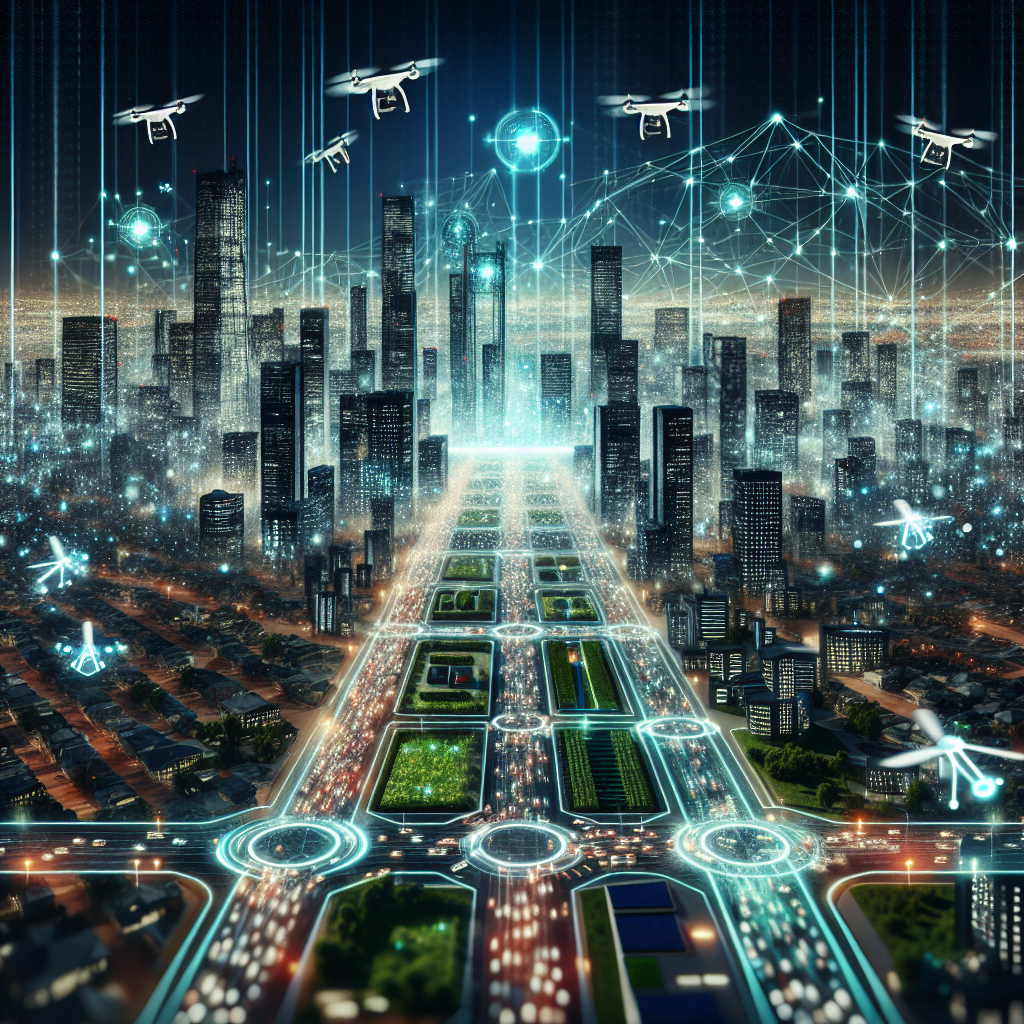
As urbanization accelerates globally, cities are facing unprecedented challenges, including traffic congestion, waste management, energy consumption, and public safety. In response, the concept of smart cities has emerged, focusing on leveraging technology and data to enhance the quality of life for urban residents. Artificial Intelligence (AI) plays a pivotal role in the development of smart cities, onboarding innovative solutions that optimize city operations, increase efficiencies, and improve public services. This article delves into how AI is shaping the urban future and what it means for the concept of smart cities.
What is a Smart City?
Defining Smart Cities
A smart city integrates advanced technologies and data analytics to manage assets and resources efficiently. The goal is to enhance living conditions, streamline services, and reduce environmental impact. Key components include interconnected infrastructure, real-time data usage, and citizen engagement.
Characteristics of Smart Cities
- Connected Infrastructure: Utilizing IoT (Internet of Things) devices to gather data on various urban systems.
- Data-Driven Decision Making: Employing big data analytics to drive operational and strategic decisions.
- Sustainability: Prioritizing energy efficiency and renewable resources to minimize the carbon footprint.
- Citizen Engagement: Involving residents in decision-making through digital platforms and feedback systems.
The Role of AI in Smart Cities
Enhancing Mobility and Transportation
Traffic Management
AI technologies, such as machine learning algorithms and predictive analytics, optimize traffic flow by analyzing real-time data on road conditions, weather, and human behavior. Smart traffic lights can adjust their timing dynamically, alleviating congestion and reducing travel time.
Public Transportation
AI is instrumental in enhancing public transport services. For instance, AI-powered applications can predict passenger demand, thereby optimizing bus routes and schedules, contributing to reduced wait times and enhanced service reliability.
Improving Public Safety
Surveillance Systems
AI-driven facial recognition and anomaly detection systems are used in surveillance cameras to enhance public safety. These systems can identify suspicious behavior in real-time, alerting law enforcement agencies to potential threats.
Disaster Response
AI can analyze historical data and predict potential hazards, enabling cities to prepare better for natural disasters. By simulating various emergency scenarios, cities can devise responsive strategies to mitigate risks effectively.
Optimizing Energy Consumption
Smart Grids
AI enables the development of smart energy grids that adjust energy distribution based on real-time demand data. This dynamic approach not only optimizes energy consumption but also integrates renewable energy sources efficiently into the grid.
Energy Management Systems
Smart buildings equipped with AI-based energy management systems can analyze usage patterns, adjusting heating, cooling, and electricity consumption to reduce waste and lower utility costs.
Economic Impact of AI in Smart Cities
Job Creation and Skills Development
As cities adopt AI technologies, the demand for skilled labor increases. New job opportunities emerge in various sectors, including data analysis, software development, urban planning, and AI maintenance. This shift necessitates comprehensive training programs to upskill the existing workforce.
Boosting Local Economies
Smart city initiatives contribute to economic growth by attracting businesses and investors. Enhanced living conditions, efficient public services, and reduced operational costs create a favorable environment for startups and established enterprises alike.
Potential Challenges
Privacy Concerns
The integration of AI and data analytics raises critical privacy issues. Collecting vast amounts of data, including personal information from city residents, can lead to potential misuse and surveillance concerns. Cities must implement robust data protection guidelines and transparent policies to mitigate these risks.
Infrastructure Costs
While smart city technologies promise long-term savings and efficiencies, the initial costs can be significant. Public-private partnerships and innovative financing models are essential to address budget constraints and promote widespread adoption.
Case Studies of AI in Smart Cities
Singapore: A Pioneer in Urban Innovation
Singapore is often cited as a model for smart city development. The city-state leverages AI and IoT to manage its traffic, public transport systems, and energy usage efficiently. The “Smart Nation” initiative aims to use technology to improve citizen quality of life and foster sustainable urban growth.
Barcelona: Redefining Urban Spaces
Barcelona utilizes AI to enhance public services and increase sustainability. The city has deployed smart waste management solutions that optimize collection routes based on real-time fill levels, significantly reducing operational costs and environmental impact.
The Future of Smart Cities
Integration of Emerging Technologies
The future of smart cities will likely see advancements in AI, machine learning, and robotics, offering even more integrated and efficient urban solutions. These technologies can help address ongoing challenges related to urbanization, such as housing, healthcare, and public services.
Citizen-Centric Innovations
As technology progresses, cities will increasingly focus on citizen-centric innovations. Leveraging AI to respond to citizen feedback and needs will be crucial for fostering an engaged community and ensuring that smart city solutions align with resident priorities.
Collaboration Between Cities
Collaboration between cities can accelerate the development and implementation of smart city initiatives. Cross-city partnerships can facilitate the sharing of best practices, data, and technologies, leading to more successful outcomes.
Conclusion
AI is undeniably a cornerstone of the smart city movement, driving efficiency, sustainability, and improved quality of life. As urban populations continue to rise, the role of AI in shaping our urban future will only expand. While challenges exist, the potential for innovation and positive change remains immense. Embracing AI and related technologies will be crucial for cities aiming to navigate the complexities of urbanization, ensuring a future that prioritizes growth, safety, and sustainability.
FAQs
What exactly is a smart city?
A smart city utilizes technology and data analytics to optimize city operations and services, improve quality of life, and promote sustainability.
How does AI improve urban transportation?
AI enhances urban transportation by optimizing traffic management, improving public transport schedules, and analyzing real-time data to reduce congestion.
What are the privacy concerns associated with smart cities?
The use of AI and data analytics raises privacy issues related to surveillance and data misuse. It is essential for cities to implement robust protective measures to safeguard residents’ privacy.
What cities are leading the way in smart city initiatives?
Cities like Singapore and Barcelona are often highlighted as leaders in smart city developments, utilizing AI and innovative technologies to enhance urban living.
How can citizens become involved in shaping smart city initiatives?
Citizens can engage through public forums, surveys, and feedback platforms, ensuring their voices are heard in decision-making processes related to smart city solutions.
By focusing on the intersection of AI and urban development, cities can transform into smarter, more efficient, and more livable spaces, paving the way for a brighter urban future.