Introduction
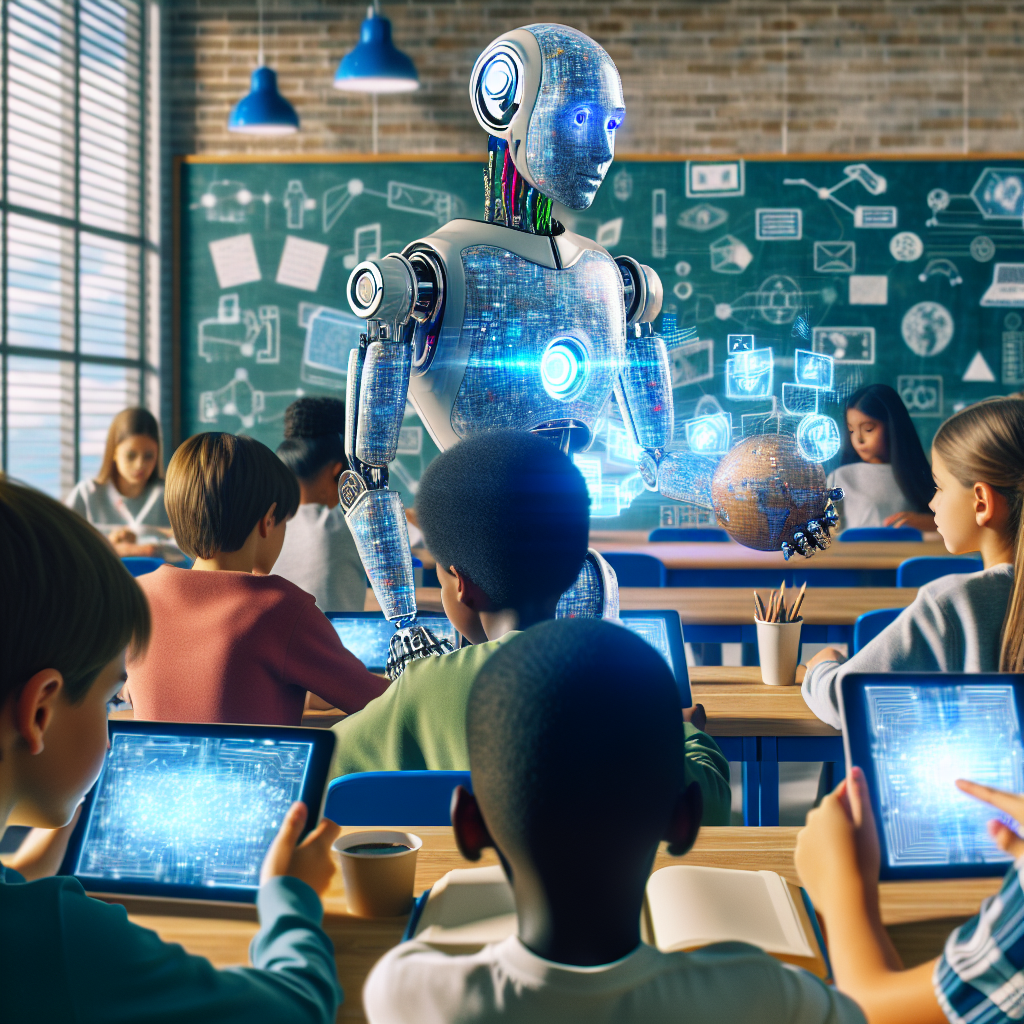
In an age where technology reshapes every aspect of our lives, education is no exception. The concept of personalized learning has gained traction, promising to tailor educational experiences to individual learner needs. Central to this evolution is Artificial Intelligence (AI), which is revolutionizing education technology (EdTech) by offering innovative solutions for personalized learning. This article explores the intersection of personalized learning and AI, delving into its benefits, challenges, and future potential.
Understanding Personalized Learning
What is Personalized Learning?
Personalized learning refers to strategies that tailor the educational experience to accommodate individual student’s strengths, needs, preferences, and interests. This approach recognizes that every learner is unique and advocates for customized pathways to learning, often involving a mix of digital and traditional pedagogies.
Importance of Personalized Learning
- Individualized Attention: Recognizing diverse learning styles enables educators to address each student’s needs more effectively.
- Enhanced Engagement: Personalization fosters a sense of ownership and motivation in learners, making them more engaged in their studies.
- Improved Outcomes: By catering to individual learning needs, personalized learning can lead to better academic outcomes and retention rates.
The Role of AI in Education Technology
What is AI?
Artificial Intelligence refers to the simulation of human intelligence processes by machines, particularly computer systems. It includes capabilities such as learning, reasoning, problem-solving, and language comprehension.
How AI is Transforming Education
AI is becoming an integral part of EdTech, offering tools and solutions aimed at enhancing personalized learning experiences. Here are some ways AI is transforming education:
- Data-Driven Insights: AI can analyze vast amounts of data to identify trends and patterns in student performance, allowing for informed instructional decisions.
- Adaptive Learning Platforms: AI-driven systems can adjust content delivery based on a learner’s progress and comprehension levels.
- Automated Assessments: AI tools can create assessments that adapt in real-time to a student’s performance, ensuring they receive challenges appropriate to their skill levels.
Benefits of AI-Driven Personalized Learning
Enhanced Learning Experiences
- Tailored Content: AI technologies can curate content that aligns with students’ interests and learning progress, making the educational experience more relevant and engaging.
- Real-Time Feedback: AI can provide instant feedback on student performance, allowing for immediate corrective action and deeper understanding.
Increased Efficiency for Educators
- Workload Reduction: AI automates administrative tasks, giving educators more time to focus on teaching and personalized student interaction.
- Data Analytics: Educators can leverage AI to access data analytics that highlight student strengths and weaknesses, allowing for targeted instruction.
Scalability and Accessibility
- Wider Reach: AI-powered educational tools can reach diverse populations, making personalized learning accessible in remote or underserved areas.
- Cost-Effective Solutions: Implementing AI technologies can reduce costs associated with traditional educational resources, thus making high-quality education more affordable.
Challenges and Ethical Considerations
Data Privacy and Security Concerns
AI’s reliance on data raises critical concerns regarding student privacy. When implementing AI in personalized learning, educational institutions must ensure compliance with regulations such as FERPA and COPPA.
Bias in AI Algorithms
AI systems can inadvertently perpetuate biases present in their training data. It’s crucial to ensure that AI algorithms are fair and equitable, avoiding discriminatory practices that can harm marginalized groups.
Teacher Training and Support
While AI offers potential advantages, educators must be adequately trained to utilize these technologies effectively. Continuous professional development is essential to integrate AI tools into classrooms successfully.
The Future of AI in Personalized Learning
Trends Shaping the Future
- Natural Language Processing (NLP): As NLP technologies advance, AI will enable more sophisticated interactions between students and educational platforms, creating conversational interfaces for tailored learning experiences.
- Predictive Analytics: Future applications of AI may include predictive analytics that identify at-risk students earlier, allowing for timely interventions.
- Blended Learning Models: AI will play a critical role in integrating online and offline learning environments, providing a smooth transition between different modes of education.
Preparing for the Future
Educators, policymakers, and technology developers must collaborate to create frameworks that support the integration of AI in educational environments. This collaboration will not only enhance personalized learning experiences but also ensure ethical considerations are addressed.
Conclusion
As technology continues to evolve, so too will the landscape of education. The integration of AI in personalized learning presents unprecedented opportunities to enhance educational experiences, tailor content, and improve student outcomes. However, it also poses challenges that require careful consideration. By remaining vigilant in addressing ethical concerns and continually adapting to technological advancements, we can unlock the full potential of AI in education, ensuring that personalized learning becomes a standard, enriching experience for all students.
Keywords for SEO Optimization
- Personalized learning
- AI in education
- Education technology
- Adaptive learning
- AI tools in education
- Data-driven insights in learning
- Ethical considerations in EdTech
- Future of personalized learning
By utilizing these keywords effectively throughout this article and in headers, we can ensure optimal search engine visibility and compliance with Google AdSense policies.
References
- Baker, R. S. J. D., & Inventado, P. S. (2014). Educational data mining and learning analytics.
- Luckin, R., et al. (2016). Intelligence Unleashed: An argument for AI in education.
- Holmes, W., et al. (2019). Artificial Intelligence in Education: Promises and Implications for Teaching and Learning.
This comprehensive exploration of personalized learning and AI in education technology provides an in-depth understanding of current trends, challenges, and the future landscape, designed to resonate with a diverse readership while adhering to best practices for SEO and quality content.