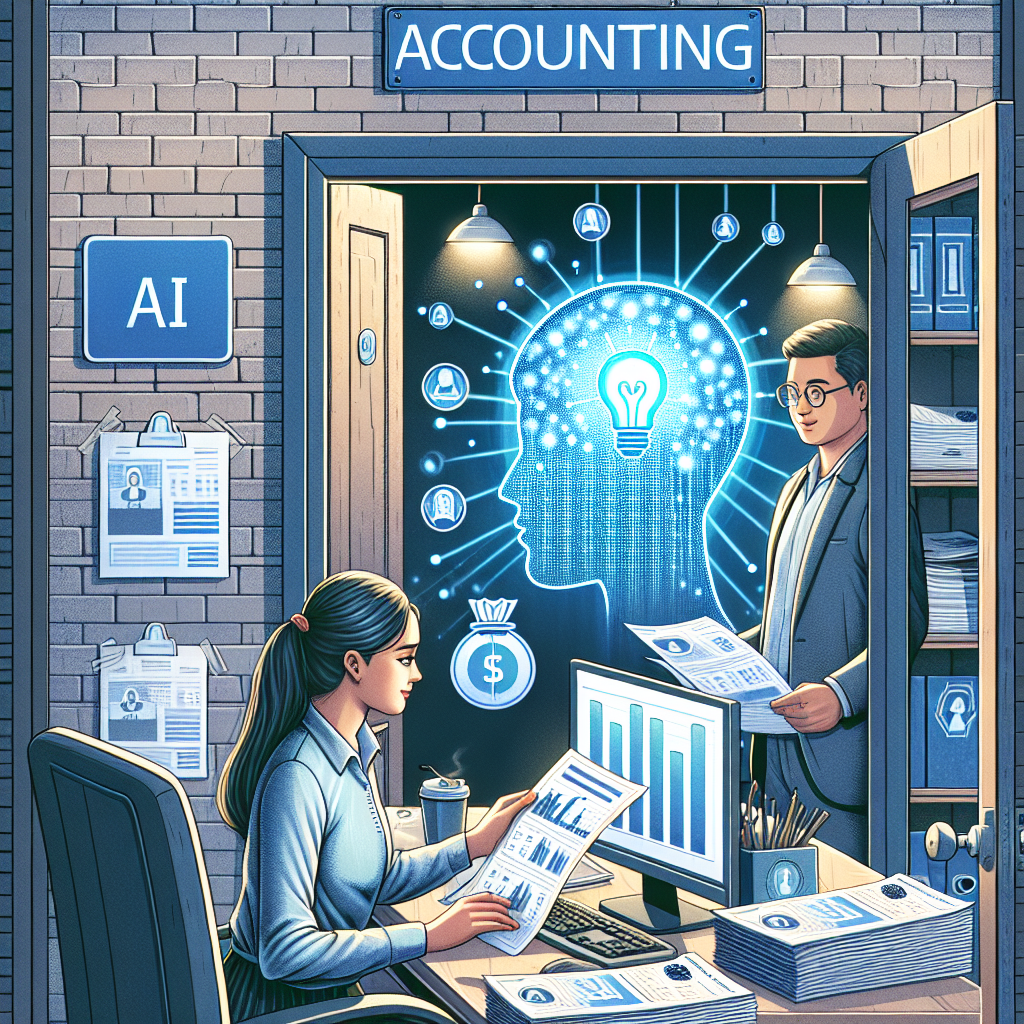
In today’s fast-paced business landscape, small businesses face numerous challenges, particularly in managing accounting processes. Financial management is crucial for sustainable growth, and the advent of Artificial Intelligence (AI) is reshaping how accounting tasks are performed. This article explores practical tips for small businesses to leverage AI effectively in enhancing their accounting processes.
Table of Contents
- Introduction to AI in Accounting
- Benefits of AI in Accounting
- Understanding AI Tools
- Practical Tips for Implementing AI in Accounting
- 4.1 Identify Key Areas for Integration
- 4.2 Select the Right AI Tools
- 4.3 Training Staff for AI Adoption
- 4.4 Regularly Evaluate AI Performance
- Overcoming Challenges in AI Adoption
- The Future of AI in Small Business Accounting
- Conclusion and Next Steps
Introduction to AI in Accounting
Artificial Intelligence (AI) refers to the simulation of human intelligence processes by machines, especially computer systems. In the world of accounting, AI is revolutionizing how tasks such as bookkeeping, auditing, and financial forecasting are handled.
With its ability to process vast amounts of data quickly and accurately, AI empowers small businesses to improve efficiency, reduce costs, and enhance decision-making. Implementing AI in accounting is not just about keeping up with technology; it’s about gaining a competitive edge in today’s marketplace.
Benefits of AI in Accounting
The integration of AI into accounting offers several advantages for small businesses, such as:
- Time Efficiency: Automating repetitive tasks allows accountants to focus on strategic analysis and decision-making.
- Cost Savings: Reducing manual processes minimizes errors and can lead to significant savings in labor costs.
- Improved Accuracy: AI algorithms can analyze data more accurately than human input, reducing the likelihood of errors.
- Real-time Insights: Businesses can access financial information in real-time, enabling quicker responses to market changes.
- Enhanced Fraud Detection: AI can scan transactions for anomalies, helping to identify and mitigate potential fraud.
Understanding AI Tools
To effectively harness AI, small businesses need to understand the various tools available. Here are a few popular AI applications in accounting:
Automated Bookkeeping Software
Automated bookkeeping software simplifies the process of recording daily transactions. Examples include QuickBooks and Xero, which use AI to categorize expenses, generate reports, and create invoices automatically.
Expense Management Tools
AI-based expense management solutions streamline the way businesses track spending. Tools like Expensify and Receipt Bank can automatically scan receipts and match expenses with appropriate accounts, saving significant time and reducing manual entry errors.
AI-Powered Analytics
AI-driven analytics tools provide in-depth insights into financial performance. Platforms like Tableau integrate AI to offer predictive analytics and trend forecasting, enabling small businesses to make informed decisions.
Practical Tips for Implementing AI in Accounting
Identify Key Areas for Integration
Before choosing AI tools, it’s essential to evaluate your accounting processes. Consider the following areas:
- Bookkeeping: Are current methods time-consuming?
- Payroll Processing: Is this process prone to errors?
- Reporting: Do you need better insights on financial performance?
Select the Right AI Tools
Once you understand the areas you want to improve, research different AI solutions tailored to small businesses. Look for tools that offer features aligning with your specific needs and ensure they are user-friendly.
- Integration: Check whether the software can connect with existing systems.
- Scalability: Choose tools that can adapt to your business growth.
- Customer Support: Consider vendors with reliable support services.
Training Staff for AI Adoption
Implementing AI solutions will require some level of training for your employees. Consider the following steps:
- Workshops: Schedule regular training sessions to familiarize staff with new tools.
- Feedback Mechanism: Create a platform for employees to share their experiences and challenges with AI tools.
- Continuous Education: Encourage employees to stay updated on AI trends, offering access to online courses.
Regularly Evaluate AI Performance
Adopting AI tools is an ongoing process. Regularly assess their effectiveness by:
- Monitoring KPIs: Track specific metrics like time saved, accuracy rates, and overall performance.
- Soliciting Feedback: Engage with employees to gather insights on the usability and effectiveness of the tools.
- Adjusting Strategies: Be open to making necessary changes based on performance data and employee feedback.
Overcoming Challenges in AI Adoption
While there are significant benefits to using AI in accounting, small businesses may face several challenges:
- Cost of Implementation: Initial investments can be a barrier for small businesses. However, consider the long-term savings and ROI.
- Data Security Concerns: Ensure that any AI tool utilized complies with data protection regulations.
- Resistance to Change: Change management strategies can help alleviate resistance from employees, fostering a more adaptive work culture.
The Future of AI in Small Business Accounting
As technology continues to advance, AI’s role in accounting will only expand. Future trends may include:
- Enhanced Automation: More tasks will be automated, freeing accountants for strategic roles.
- Integration with Other Technologies: AI may become increasingly interconnected with technologies like blockchain and the Internet of Things (IoT).
- Personalized Financial Services: AI could lead to more customized financial advisory services tailored to each business’s unique needs.
Conclusion and Next Steps
Implementing AI in accounting is a powerful way for small businesses to streamline operations and gain deeper insights into their financial health. By following the practical tips outlined in this article, business owners can harness AI’s power to enhance their accounting processes, ultimately leading to improved efficiency and profitability.
Small businesses should start by evaluating their current processes, selecting suitable AI tools, training staff, and continuously monitoring performance to leverage the full potential of AI in accounting. As the landscape evolves, staying informed and adaptable will ensure that your business not only survives but thrives in the era of digital transformation.
By taking strategic steps towards AI integration, small businesses can transform their accounting functions and focus on growth. Harnessing AI is not just a trend; it’s the future of business financial management.