Introduction
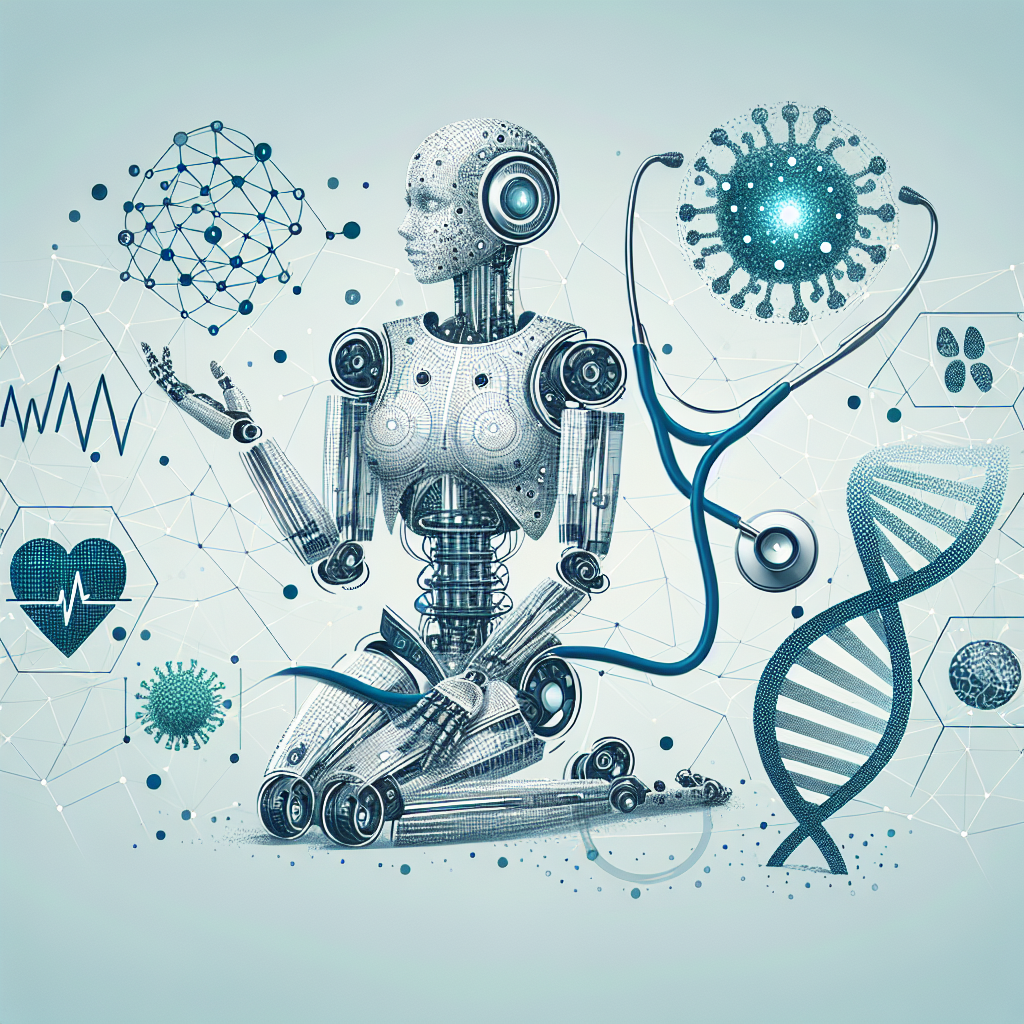
The healthcare industry is undergoing a significant transformation, propelled by the advent of Artificial Intelligence (AI). As technology continues to evolve at a rapid pace, AI applications in healthcare are redefining patient care, augmenting clinical decision-making, and optimizing operational efficiency. In this comprehensive article, we will explore the various dimensions of AI in healthcare, illustrating how it is revolutionizing patient care and its potential to enhance clinical outcomes.
What is AI in Healthcare?
Definition and Overview
Artificial Intelligence, in its broadest sense, refers to computer systems designed to mimic human cognitive functions such as learning, reasoning, and problem-solving. In healthcare, AI encompasses a range of technologies including machine learning, natural language processing, and robotics. These technologies facilitate data analysis, automate routine tasks, and even support complex medical decisions.
The Promising Applications of AI in Healthcare
AI is making its mark across multiple facets of healthcare. Below are some of the significant applications:
1. Diagnostics and Predictive Analytics
Enhanced Diagnostic Accuracy
AI algorithms can analyze medical images (X-rays, MRIs, CT scans) with remarkable precision. By leveraging deep learning, AI can identify anomalies such as tumors or fractures that may go unnoticed by the human eye. For instance, companies like Zebra Medical Vision are creating AI tools that provide radiologists with enhanced diagnostic capabilities.
Predictive Analytics
Predictive analytics, another powerful application of AI, can forecast disease outbreaks, potential complications, and patient deterioration by analyzing large datasets. For example, AI models can predict which patients are at risk of developing conditions like diabetes or heart disease, allowing for early intervention.
2. Personalized Medicine
Tailored Treatment Plans
Personalized medicine is poised to revolutionize patient care. AI facilitates the analysis of genetic information, enabling healthcare providers to offer tailored treatment plans. Patients can receive medication and treatment strategies that are best suited to their genetic profile. This approach has particularly been successful in oncology, where treatments can be personalized based on tumor genetics.
3. Virtual Health Assistants
24/7 Patient Support
AI-driven virtual health assistants offer patients 24/7 access to healthcare information and support. These digital assistants can answer queries, schedule appointments, and provide medication reminders, enhancing patient engagement and adherence to treatment plans.
4. Drug Discovery and Development
Accelerating Processes
AI is streamlining the drug discovery process, significantly reducing the time and costs involved in bringing a new drug to market. By analyzing vast datasets, AI models identify potential drug candidates more quickly than traditional methods. Companies like Atomwise are using AI to discover new compounds for various diseases.
5. Operational Efficiency
Optimizing Resource Allocation
AI helps healthcare organizations optimize resource allocation, manage hospital operations, and reduce wait times. Predictive models can forecast patient admissions, allowing facilities to adjust staffing levels efficiently.
Challenges in Implementing AI in Healthcare
Despite its transformative potential, several challenges hinder the widespread adoption of AI in healthcare.
1. Data Privacy and Security
The healthcare industry is highly regulated, with strict guidelines around patient data privacy (e.g., HIPAA in the U.S.). Ensuring data security while utilizing AI systems is a substantial challenge. Breaches can result in severe consequences, both for patients and healthcare organizations.
2. Ethical Considerations
Ethical concerns also arise, particularly regarding algorithm bias, accountability, and transparency. AI systems trained on biased data may produce inequitable outcomes, exacerbating health disparities. Establishing ethical guidelines for AI use in healthcare is crucial for building trust among patients and practitioners.
3. Integration with Existing Systems
Integrating AI with existing healthcare systems can be complex and resource-intensive. Many healthcare providers rely on legacy systems that may not easily communicate with modern AI applications. Ensuring interoperability is essential for maximizing AI’s benefits.
Future Trends in AI and Healthcare
To leverage the full potential of AI in healthcare, several emerging trends are worthy of exploration:
1. AI and Telemedicine
The rise of telemedicine, accelerated by the COVID-19 pandemic, presents a fertile ground for AI applications. AI can improve telehealth consultations by analyzing patient data in real time, providing healthcare providers with actionable insights during virtual visits.
2. AI in Mental Health
AI’s potential in mental health care is gaining attention. Applications ranging from AI chatbots to predictive analytics help in assessing mood patterns and treatment effectiveness. These AI tools can act as adjuncts to traditional therapy, enhancing patient engagement.
3. Continuous Learning Systems
As machine learning algorithms evolve, the concept of continuous learning systems is set to gain prominence. By continually analyzing incoming patient data, these AI systems can refine their algorithms, enhancing diagnostic accuracy and treatment recommendations over time.
Case Studies of AI in Healthcare
1. IBM Watson
IBM Watson is a well-known example of AI applied in healthcare. It analyzes large sets of unstructured medical data and synthesizes insights for clinical decision-making. Watson has been utilized in oncology, assisting oncologists in identifying treatment options based on the latest research.
2. Google DeepMind
Google’s DeepMind has made significant strides in healthcare through its AI systems capable of interpreting medical images. For instance, DeepMind’s algorithms have been effective in detecting eye diseases from retinal scans, highlighting the potent use of AI in preventative care.
3. Aidoc
Aidoc specializes in interpreting medical imaging and flagging critical issues for radiologists. Their real-time AI solutions help improve workflow efficiency in emergency departments, ensuring timely diagnosis and treatment.
Conclusion
The integration of AI in healthcare is not just a trend but a pivotal movement towards transforming patient care. From enhancing diagnostic accuracy to personalizing treatment protocols and improving operational efficiency, AI is reshaping the landscape of healthcare. However, the journey toward widespread adoption will require overcoming challenges in data security, ethics, and system integration.
As we look ahead, the continued evolution of AI technologies promises to enable not only better healthcare outcomes but also a more equitable health system. As stakeholders from various sectors collaborate to harness AI’s capabilities, the future of healthcare looks robust and promising.
FAQs
What is the role of AI in improving diagnostic accuracy?
AI algorithms analyze medical images and patient data to identify conditions or diseases, often with greater accuracy than human professionals, enabling faster and more reliable diagnoses.
How is AI being used in personalized medicine?
AI helps analyze genetic information to develop tailored treatment plans, ensuring that patients receive the most effective therapies based on their unique genetic makeup.
What are some challenges faced in implementing AI in healthcare?
Key challenges include data privacy and security concerns, ethical considerations regarding bias and transparency, and difficulties in integrating AI with existing healthcare systems.
What is AI’s potential in mental health care?
AI tools such as chatbots and predictive analytics can support mental health professionals, enhance patient engagement, and provide personalized interventions based on individual mood patterns.
How does AI improve operational efficiency in healthcare settings?
By predicting patient admissions and optimizing resource allocation, AI significantly enhances the overall operational efficiency of healthcare institutions, reducing wait times and improving patient outcomes.
By focusing on the transformative potential of AI in healthcare and addressing both its capabilities and challenges, this article aims to provide insights into a field poised for significant advancements in the coming years.