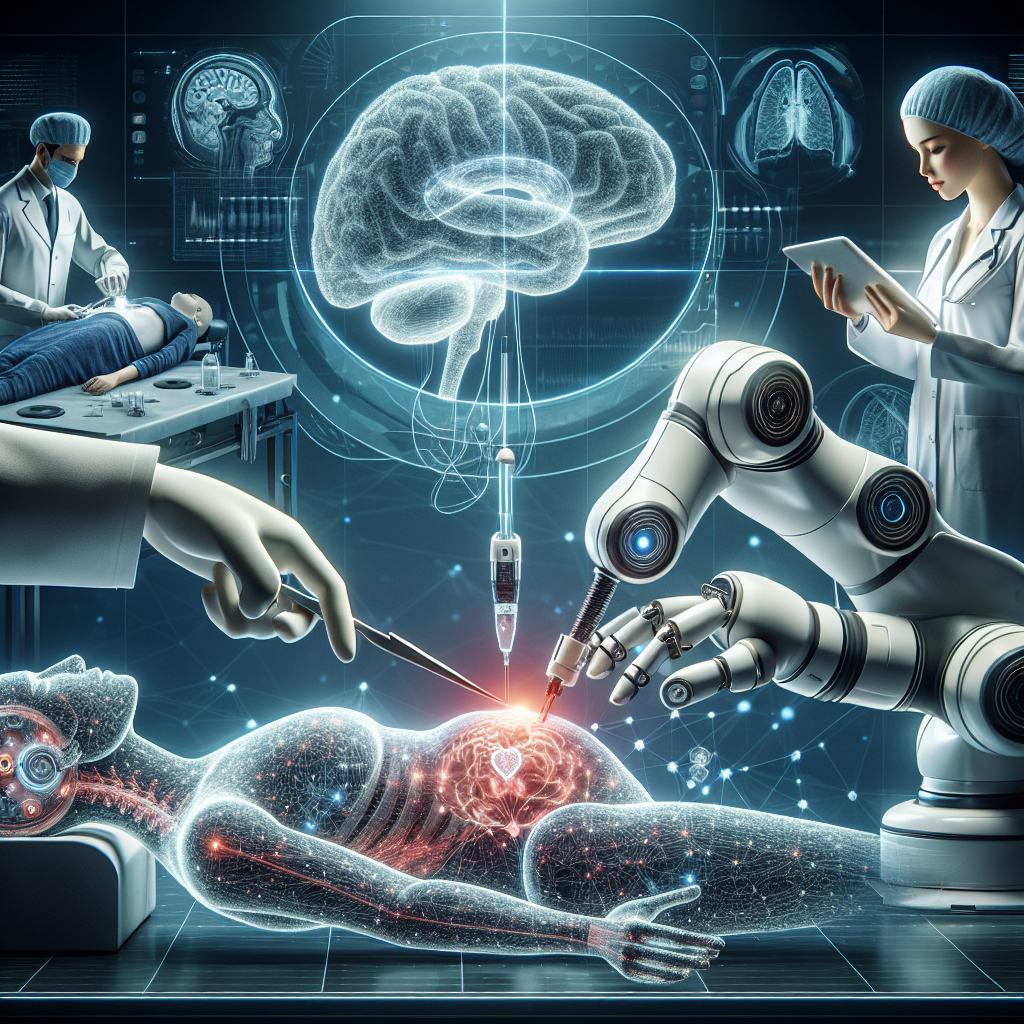
Artificial Intelligence (AI) is radically reshaping the landscape of healthcare, providing transformative solutions that enhance patient care, streamline operations, and reduce costs. From predictive analytics to personalized medicine, AI is increasingly becoming an integral part of medical practice. In this article, we explore the innovations driven by AI in healthcare and the implications they carry for patients, practitioners, and health systems.
Table of Contents
- Introduction
- AI Innovations in Healthcare
- 2.1 Predictive Analytics
- 2.2 Telemedicine and Virtual Health
- 2.3 Robotic Surgery
- 2.4 Natural Language Processing
- 2.5 Personalized Medicine
- Challenges and Considerations
- Future Directions
- Conclusion
Introduction
As the world grapples with increasing healthcare costs and rising patient expectations, the integration of AI technologies into healthcare is a beacon of hope for many. With its ability to analyze vast amounts of data quickly and accurately, AI is paving the way for innovative solutions that enhance the quality of care. This article examines how AI is revolutionizing healthcare by diving into specific innovations, their implications, and the challenges that accompany their implementation.
AI Innovations in Healthcare
Predictive Analytics
Predictive analytics utilizes AI algorithms to analyze historical data and predict future outcomes. In healthcare, this means identifying patients at risk of diseases before they manifest.
- Risk Stratification: Healthcare providers can identify patients who are more likely to develop chronic diseases, allowing for early intervention and personalized treatment plans.
- Readmission Reduction: By analyzing patient data, hospitals can pinpoint factors leading to readmissions, enabling them to implement strategies that keep patients healthier post-discharge.
Telemedicine and Virtual Health
Telemedicine has gained momentum, especially during the COVID-19 pandemic, and AI is enhancing this trend.
- AI-Powered Chatbots: These tools provide patients with immediate answers to health-related queries, reducing the burden on healthcare providers and improving access to care.
- Remote Monitoring Solutions: Wearable devices equipped with AI can track vitals in real-time, sending alerts to healthcare providers for timely interventions.
Robotic Surgery
Robotic-assisted surgeries have become a game-changer, offering precision, flexibility, and control that surpasses traditional techniques.
- Enhanced Precision: AI algorithms can analyze anatomical data and provide surgeons with crucial insights during operations.
- Reduced Recovery Time: Patients undergoing robotic surgeries often experience smaller incisions, resulting in shorter recovery times and less postoperative pain.
Natural Language Processing
Natural Language Processing (NLP) allows computers to understand, interpret, and respond to human language in a way that is valuable.
- Documentation Automation: NLP can streamline the transcription of physician notes, freeing up more time for patient care.
- Clinical Decision Support: AI systems can analyze clinical notes and suggest evidence-based treatments based on the latest research, ensuring that physicians make informed decisions.
Personalized Medicine
One of the most promising applications of AI in healthcare is personalized medicine, which tailors treatment to the individual characteristics of each patient.
- Genomic Data Analysis: AI algorithms can analyze genetic information to identify the most effective treatments for specific patients.
- Targeted Therapies: By predicting how patients will respond to various treatments, healthcare providers can avoid ineffective therapies, leading to better outcomes.
Challenges and Considerations
While AI presents incredible opportunities in healthcare, it is not without challenges that must be addressed to maximize its potential.
Data Privacy Concerns
The collection and analysis of patient data raise critical concerns regarding privacy and security.
- Regulatory Compliance: Healthcare organizations must adhere to regulations like the Health Insurance Portability and Accountability Act (HIPAA) to safeguard patient information.
- Data Breaches: With the increased use of AI in healthcare, cyberattacks targeting sensitive health data are on the rise.
Bias in AI Algorithms
AI systems are only as good as the data they are trained on. Biased data can lead to biased outcomes.
- Health Disparities: AI algorithms trained on non-representative data may fail to accurately cater to diverse populations, exacerbating existing healthcare disparities.
- Addressing Bias: Ongoing scrutiny and auditing of AI systems are essential to minimize bias and promote equity in healthcare delivery.
Regulatory Hurdles
The fast pace of AI innovation can outstrip regulatory frameworks, creating uncertainty in the healthcare landscape.
- Approval Processes: Lengthy approval timelines can delay the introduction of beneficial AI solutions into clinical practice.
- Standardization: Establishing standardized guidelines for AI use in healthcare is crucial for ensuring safety and efficacy.
Future Directions
The future of AI in healthcare looks promising as technologies continue to evolve and integrate into everyday practices.
- Integration with Electronic Health Records (EHR): Seamless integration of AI with EHR systems can provide real-time decision support, improving patient care.
- Collaborative AI: Future AI systems are expected to work alongside physicians, augmenting their expertise rather than replacing it.
- Global Health Applications: AI can play a critical role in addressing global health challenges, such as pandemic response, infectious disease control, and resource allocation.
Conclusion
AI is undeniably revolutionizing healthcare through innovations that enhance patient outcomes and optimize operational efficiencies. However, it comes with significant challenges that require careful consideration. By addressing concerns related to data privacy, bias, and regulatory hurdles, the healthcare sector can fully harness the power of AI, paving the way for a more effective and equitable future. As we move forward, the collaboration between technologists, healthcare professionals, and regulators will be paramount in ensuring that AI serves as a force for good in the healthcare arena.
This article has outlined the major advancements and challenges associated with AI in healthcare. For those in the medical field, staying updated on AI trends and their implications for your practice can enable you to better serve your patients and improve health outcomes effectively.