Introduction
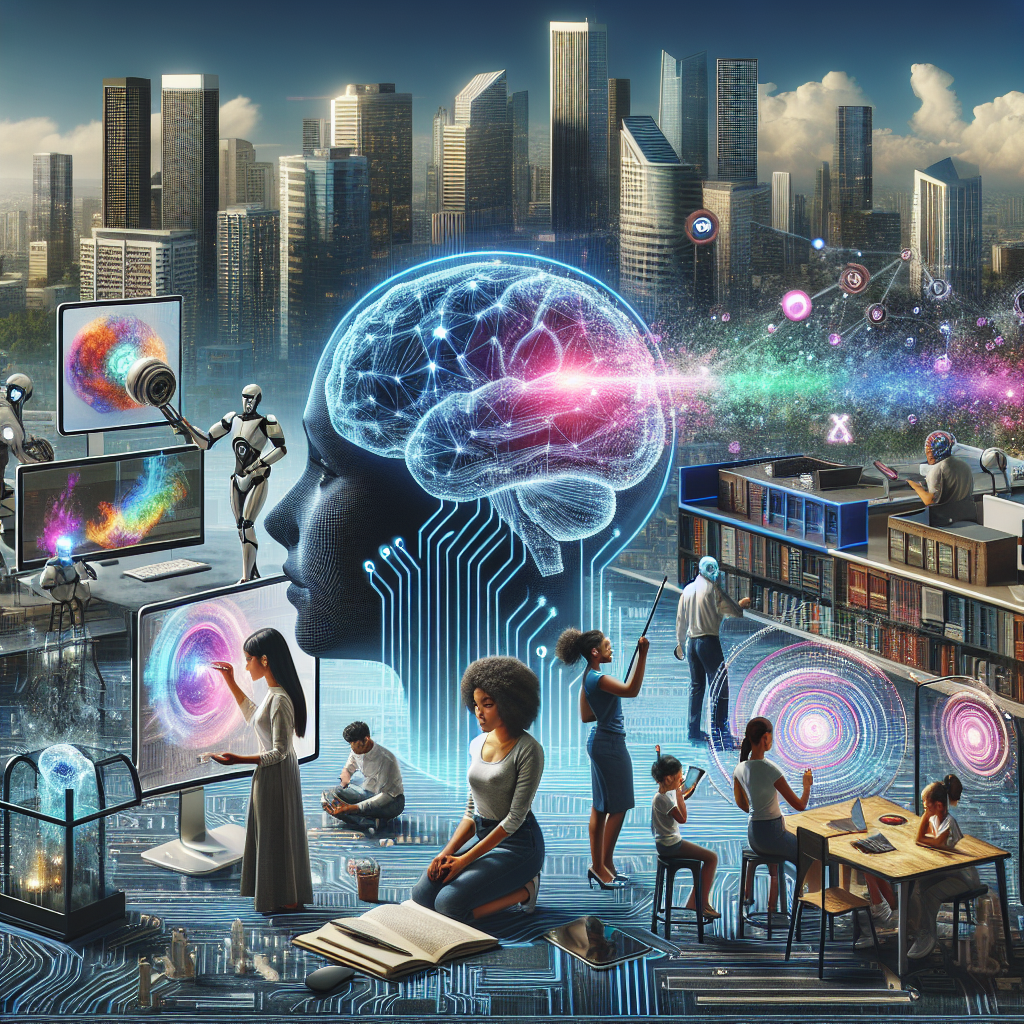
In recent years, Artificial Intelligence (AI) and its subfield, machine learning (ML), have experienced remarkable growth and adoption across various sectors. From enhancing productivity in businesses to transforming personal lives, AI is reshaping how we interact with technology. This article delves into the rise of AI, its various applications, and its profound impact on everyday life. By understanding this transformation, we can better appreciate the role machine learning plays today and in the future.
Understanding AI and Machine Learning
What is Artificial Intelligence?
Artificial Intelligence refers to the simulation of human intelligence in machines programmed to think, learn, and perform tasks autonomously. Key domains of AI encompass natural language processing, robotics, computer vision, and more.
What is Machine Learning?
Machine Learning is a subset of AI that enables systems to learn and improve from experience without explicit programming. By analyzing vast amounts of data, ML algorithms identify patterns and make predictions, thereby enhancing decision-making processes.
The Relationship Between AI and Machine Learning
While AI represents the broader concept of intelligent machines, ML provides the tools and technologies that power many AI applications. Thus, machine learning serves as the backbone of modern AI innovations.
The Growth of AI and Machine Learning
Historical Timeline
- 1950s: The concept of AI is introduced.
- 1980s: Renewed interest in neural networks.
- 2010s: The boom of big data and advancements in computational power catalyze machine learning’s rise.
- 2020s: Widespread adoption across industries and daily applications.
Key Drivers of Growth
- Data Explosion: The digital era has spurred unprecedented amounts of data generation.
- Advancements in Technology: Improved hardware and software capabilities enable complex computations.
- Research and Development: Ongoing academic and corporate investment has accelerated innovations in AI.
Applications of Machine Learning in Everyday Life
1. Personal Assistants
AI-driven personal assistants like Siri, Google Assistant, and Alexa utilize machine learning to understand and predict user preferences, making everyday tasks more efficient.
Key Features
- Voice recognition and natural language processing.
- Personalized recommendations.
- Task automation.
2. Healthcare
The healthcare sector is increasingly leveraging machine learning to enhance patient outcomes and streamline healthcare operations.
Applications
- Predictive analytics for disease outbreak.
- Personalized treatment plans based on patient data.
- Drug discovery accelerated through ML algorithms.
3. Automotive Industry
Self-driving cars and smart automotive technologies are at the forefront of AI application in the automotive sector.
Innovations
- Advanced driver-assistance systems (ADAS).
- Predictive maintenance solutions.
- In-vehicle AI interfaces that enhance driver experience.
4. Retail and E-commerce
Machine learning is transforming the retail landscape, enhancing inventory management and personalizing shopping experiences.
Benefits
- Intelligent inventory recommendations based on demand forecasting.
- Personalized marketing strategies utilizing customer behavior data.
- Improved customer service through AI chatbots.
5. Finance and Banking
Financial institutions are increasingly adopting machine learning to mitigate risks and personalize services.
Use Cases
- Fraud detection using anomaly detection algorithms.
- Algorithmic trading powered by predictive analytics.
- Personalized financial advice through robo-advisors.
6. Education
AI and machine learning are reshaping educational methodologies and student learning experiences.
Innovations
- Adaptive learning platforms that tailor curriculums to individual learning styles.
- Predictive analytics to identify at-risk students and intervene early.
- Virtual tutors powered by AI to support student engagement.
The Societal Impact of AI and Machine Learning
Advantages
- Efficiency: Automating repetitive tasks frees up time for employees to focus on creative and critical-thinking tasks.
- Enhanced Decision-Making: Data-driven insights enable individuals and businesses to make informed decisions.
- Scalability: AI applications can process vast amounts of data quickly.
Challenges
- Job Displacement: As automation becomes more prevalent, there are concerns regarding job losses in several sectors.
- Bias in Algorithms: AI systems can perpetuate existing biases if not carefully monitored.
- Data Privacy: The extensive data collection required for machine learning raises significant privacy concerns.
The Future of AI and Machine Learning
Expected Developments
- Increased Automation: A growing number of tasks will become automated, leading to enhanced operational efficiency.
- Human-AI Collaboration: Future systems will likely focus on augmenting human decision-making rather than replacing it.
- Ethical AI: There is an increasing emphasis on developing ethical frameworks to guide the deployment of AI technologies.
Conclusion
The rise of machine learning is indeed redefining everyday life, transforming how we interact with the world around us. From personal assistants that manage our schedules to predictive algorithms in healthcare, the influence of AI is pervasive. While challenges remain, the potential for positive change through responsible AI deployment appears limitless. As society continues to navigate this AI-driven landscape, understanding and adaptability will be vital for maximizing benefits while mitigating risks.
SEO Optimization Strategies
To ensure this article reaches its target audience effectively, the following SEO strategies have been employed:
- Keyword Optimization: The primary keyword “machine learning” and its variations appear naturally throughout the text.
- Meta Descriptions and Alt Tags: Each section should have unique meta descriptions, and images should contain alt tags with relevant keywords.
- Internal and External Links: Links to reputable sources and related articles provide readers with additional context and resources.
- Mobile Responsiveness: The article is structured to be readable on various devices, enhancing user experience and engagement.
By focusing on these strategies, the article aims not only to inform but also to rank favorably on search engines, attracting readers interested in understanding the transformative role of AI and machine learning in everyday life.