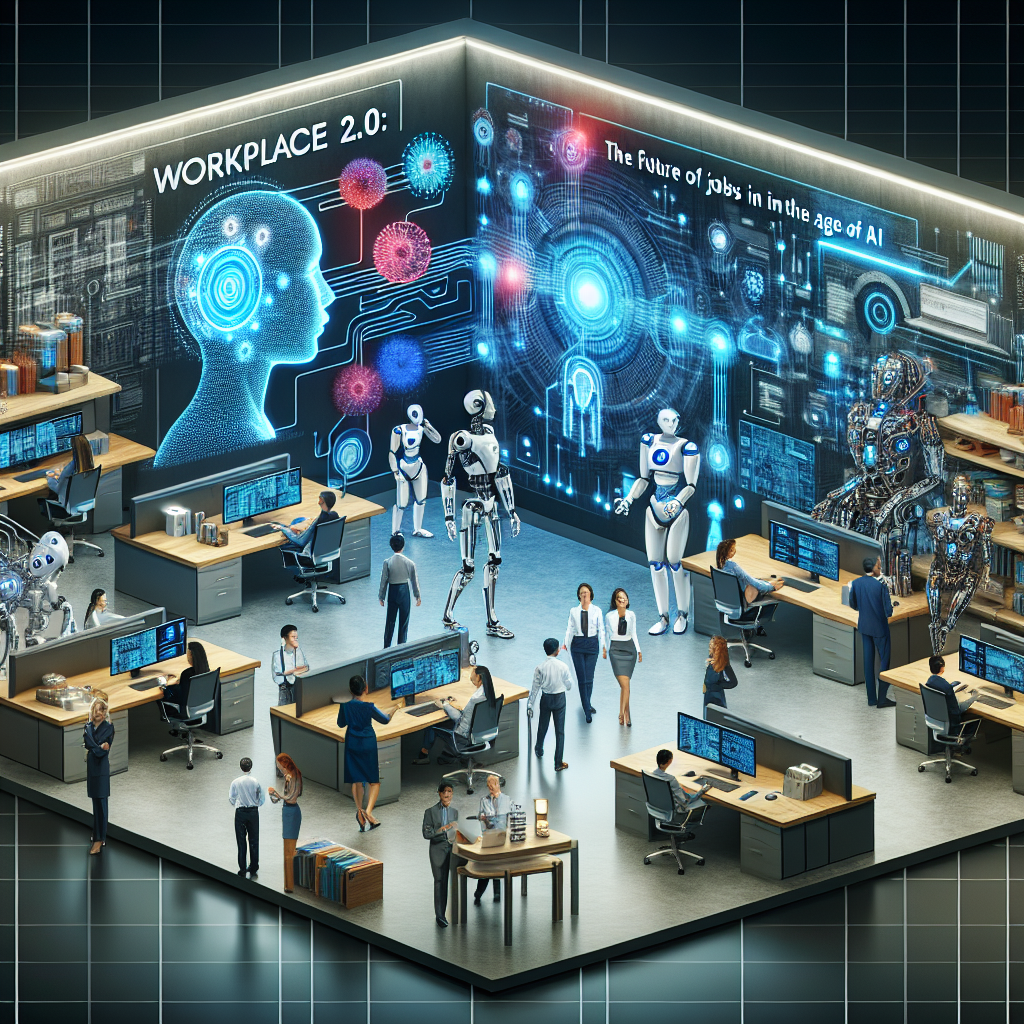
As we traverse deeper into the 21st century, the workplace is undergoing a monumental transformation, driven primarily by advancements in Artificial Intelligence (AI). This shift, commonly referred to as Workplace 2.0, is characterized by an integration of digital technologies that are reshaping the way we work, learn, and interact in professional environments. This article delves into the nuances of Workplace 2.0, exploring its implications for job roles, skill requirements, and organizational structures in the age of AI.
Understanding Workplace 2.0
What is Workplace 2.0?
Workplace 2.0 can be defined as the evolving ecosystem of work greatly influenced by digital and AI technologies. Unlike the traditional workplace, which operated on fixed schedules and physical presence, Workplace 2.0 is flexible, adaptive, and often virtual. This transformation encourages a hybrid model where remote work, collaboration tools, and AI-driven automation become integral components of daily operations.
The Role of AI in Workplace 2.0
AI is not merely a tool in this new workplace; it is a catalyst for change. Technologies such as machine learning, natural language processing, and robotic process automation are redefining tasks previously thought to be exclusively human. By automating routine tasks, AI enhances productivity, allowing human workers to focus on higher-value activities.
The Changing Nature of Jobs
New Job Roles
As we embrace Workplace 2.0, the emergence of new job roles is inevitable. Positions such as AI Ethicists, Data Analysts, and Digital Project Managers will gain prominence. Organizations will increasingly seek professionals who can bridge the gap between technology and human-centric approaches.
AI and Machine Learning Specialists
AI specialists are essential for developing, implementing, and maintaining AI systems. Their expertise ensures that companies can leverage data-driven insights effectively.
Data Privacy Managers
With the rise of AI comes a heightened responsibility to ensure data privacy and ethical use. Data Privacy Managers will oversee data protection standards, ensuring compliance with regulations like GDPR.
Remote Work Coordinators
As remote work continues to be a staple, organizations will require individuals who specialize in remote team management, engagement, and productivity optimization.
Jobs at Risk
Conversely, certain roles may be at risk due to AI’s capabilities. Repetitive tasks often handled by administrative positions are likely to be automated. However, this does not signify a loss of jobs but rather a transformation. The focus will shift towards roles that require creativity, emotional intelligence, and complex problem-solving skills.
Skills for the Future
Essential Skills in an AI-driven Workplace
As AI reshapes the workplace, the skill requirements for employees are evolving. Here are some essential skills for success in Workplace 2.0:
Technical Skills
A baseline understanding of AI and digital tools is crucial. Employees who can navigate data analytics, software applications, and emerging technologies like blockchain will be at a significant advantage.
Soft Skills
While technical skills are paramount, soft skills such as adaptability, critical thinking, and emotional intelligence will distinguish successful employees. As machines take over repetitive tasks, humans must harness qualities that machines cannot replicate.
Lifelong Learning
In a rapidly changing environment, lifelong learning is imperative. Professionals will need to engage in continuous education to stay abreast of technological advancements and industry trends.
Recruiting in the Age of AI
The Recruitment Process
AI’s impact on recruitment is already palpable. Companies are leveraging algorithms for resume screening, interview scheduling, and even evaluating candidate performances in virtual assessments. This change means that job seekers must tailor their applications to align with AI-driven processes.
Bias in AI Recruiting
While AI can enhance efficiency, the risk of inherent bias in AI algorithms poses challenges. Companies must ensure that AI systems are trained on diverse data sets to prevent discrimination during recruitment.
Skills Assessment Tools
Employers are adopting AI-powered assessment tools to quantify soft and technical skills. This not only streamlines the hiring process but also allows for a more comprehensive evaluation of a candidate’s fit for a role.
Collaboration in Workplace 2.0
Remote Collaboration Tools
The shift towards remote work has led to the proliferation of collaboration tools. Platforms such as Slack, Microsoft Teams, and Zoom foster communication, enabling teams to collaborate effectively regardless of location.
Virtual Reality (VR) and Augmented Reality (AR)
As technology advances, VR and AR are becoming more commonplace in workplace collaboration. These tools facilitate immersive training experiences, enhance team bonding, and promote innovation through virtual brainstorming sessions.
The Employee Experience
Employee Engagement in a Remote Era
As traditional offices evolve, maintaining employee engagement becomes critical. Organizations are not only focusing on productivity but also on employee well-being and mental health.
Flexible Work Arrangements
Providing flexible work schedules enhances work-life balance. Employers who adopt flexible policies are likely to see higher job satisfaction and lower turnover rates.
Mental Health Resources
In an increasingly digital workplace, mental health support is crucial. Organizations should invest in resources that encourage mental wellness, fostering a supportive environment for employees.
The Role of Leadership
Adaptive Leadership
Leadership styles must transition to accommodate the changes brought by AI. Adaptive leaders will facilitate a culture of agility, encouraging teams to embrace change and innovation.
Fostering Inclusivity
Inclusive leadership is vital in ensuring diverse perspectives are considered. By fostering an inclusive environment, organizations can spur creativity and innovation, capitalizing on diverse talents.
Overcoming Challenges in Workplace 2.0
Resistance to Change
Implementing changes in workplace practices may encounter resistance. Organizations must facilitate open conversations about AI’s role and benefits, addressing concerns while emphasizing positive outcomes.
Data Security Concerns
With new technologies comes the challenge of data security. Companies must prioritize cybersecurity measures, ensuring data protection for both the organization and employees.
Integration of AI Systems
The integration of AI systems requires time and financial investment. Organizations must strategize their AI initiatives carefully, aligning them with overarching business goals to ensure a smooth transition.
Conclusion: Embracing the Future
The advent of AI and digital technologies heralds a new era in workplace dynamics. Workplace 2.0 urges organizations to redefine roles, embrace continuous learning, and foster a collaborative environment. By adapting to these changes, both employers and employees can thrive in an increasingly complex and technology-driven landscape.
Call to Action
Everyone has a role in shaping the future of work. As we navigate Workplace 2.0, it is imperative for individuals to invest in their skills, embrace change, and work collaboratively towards a better professional world. Let’s harness the potential of AI and technology to create a workplace that is not only efficient but also empowering.
In this article, we’ve explored the multifaceted dimensions of Workplace 2.0, offering insights and strategies for thriving in an AI-enhanced work environment. By fostering adaptability and prioritizing ongoing development, we can navigate the complexities of tomorrow’s workplaces successfully.
SEO Optimization Tips
- Keywords: Use main and related keywords (e.g., Workplace 2.0, AI in the workplace, future jobs in AI) throughout the text.
- Meta Description: Craft a concise meta description that encapsulates the main theme and includes the main keyword.
- Internal and External Links: Include links to reputable sources and related content for improved SEO effectiveness.
- Image Optimization: Add relevant images with alt text describing their content for added SEO benefits, particularly focusing on usage in workplace technology and AI advancements.
By incorporating these strategies alongside comprehensive content, you enhance the likelihood of ranking higher on search engines, thus broadening your reach.