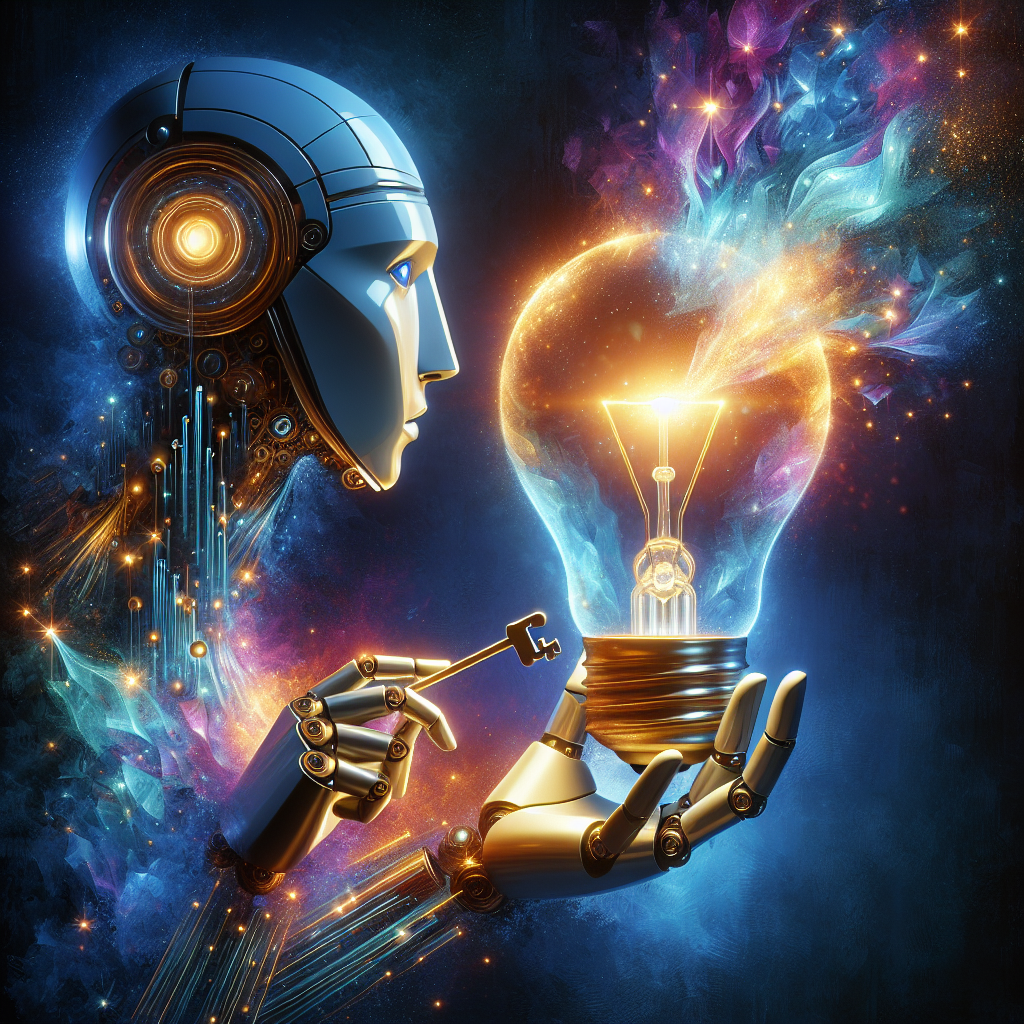
In today’s fast-paced world, creativity is more critical than ever. As industries evolve and the demands for innovation rise, artists, designers, musicians, and innovators are leveraging artificial intelligence (AI) to amplify their creative processes. This article explores how AI is reshaping the creative landscape, inspiring artists, and unlocking new opportunities for innovation.
Understanding AI and Creativity
What is Artificial Intelligence?
Artificial Intelligence refers to the simulation of human intelligence in machines designed to think and act like humans. This includes problem-solving, learning, and even artistic creation. AI technologies, from machine learning to natural language processing, are used to analyze vast amounts of data, recognize patterns, and generate content.
The Intersection of AI and Creativity
The intersection between AI and creativity is a fascinating area of study. Traditionally viewed as distinct domains, the two are increasingly interconnected, with AI enhancing human creativity rather than replacing it. By enabling new ways of thinking and working, AI serves as a catalyst for artistic expression and innovation.
AI as a Tool for Creative Expression
Enhanced Artistic Capabilities
AI tools like DeepArt, DALL-E, and Runway ML have transformed the way artists express their creativity. These platforms can, for instance, convert photographs into unique styles of artwork or generate original compositions based on user input.
Example: Painting with AI
Artists like Mario Klingemann use neural networks to elevate their works by transforming pixels into evolving canvases. By feeding the AI a dataset of various art styles, they allow it to create pieces that blend traditional techniques with contemporary aesthetics. This collaboration between human and machine opens new avenues of artistic exploration.
Music Composition and AI
The music industry is no stranger to technological innovation. AI-driven platforms like Amper Music and AIVA create original music compositions based on input parameters such as mood, genre, and tempo. This not only empowers musicians but also allows marketers and filmmakers access to royalty-free music that enhance their projects.
Example: AI-Generated Compositions
Bach and Beethoven may have influenced many modern composers, but now systems like OpenAI’s MuseNet can generate music in their styles. This not only educates new musicians but offers established artists a fresh tool for experimentation.
AI in Design and Innovation
Revolutionizing Product Design
In industries like product design, AI algorithms analyze user preferences, competitive trends, and market needs. Platforms such as Autodesk and Adobe Sensei harness AI to assist in creating designs that balance aesthetics with functionality.
Application: Smart Design Tools
Architects and product designers can now utilize AI-driven tools to streamline the creative process. By automatically generating 3D models or predictive analytics, AI reduces the iteration cycle, enabling designers to focus more on higher-level creative decisions.
Unlocking New Market Innovations
AI helps industries redefine their strategies through data analysis and market predictions. Businesses can leverage AI algorithms to identify emerging trends and innovate products that anticipate customer needs.
Case Study: Fashion Industry
Fashion retailers employ AI-driven analytics to understand consumer behavior, predict trends, and drive sales. By tailoring recommendations based on historical data, companies like Stitch Fix have improved customer satisfaction while optimizing inventory management.
Collaboration: Human-AI Partnerships
Augmented Creativity
AI is increasingly seen as a collaborator rather than a competitor. This shift encourages artists and innovators to embrace AI as a tool that can expand their imaginative reach. Remarkable partnerships between humans and machines yield hybrid creations that combine human intuition with machine efficiency.
Example: AI-Driven Creative Challenges
Various organizations have launched creative challenges that invite artists to create alongside AI tools. These competitions inspire collaboration and experimentation, leading to unique outputs that push the boundaries of traditional art.
AI Workshops and Training
As AI becomes more prevalent in creative fields, workshops and courses are emerging to teach artists how to harness its capabilities. These programs empower artists to familiarize themselves with AI tools and integrate them effectively into their creative processes.
The Ethical Dimensions of AI in Creativity
Ownership and Authenticity
As AI-generated artworks gain popularity, questions of authorship arise. Who owns an artwork created in collaboration with AI? Establishing a framework for ownership and authenticity is critical as the line between human and machine creativity blurs.
Bias in AI Algorithms
AI can inadvertently perpetuate biases present in the data used to train it, which poses ethical challenges for artists and innovators. It is essential to build diverse datasets and employ fair algorithms to ensure inclusive representation in AI-generated works.
Future Trends: AI in Creative Industries
The Rise of Generative Art
Generative art, created using algorithms, is gaining traction as a legitimate form of artistic expression. More artists are exploring this medium, leading to a surge of interest in AI-generated visuals and media.
AI-Infused Environments
As technology advances, we can expect AI to play a more integral role in creative environments. Virtual reality (VR) and augmented reality (AR) applications powered by AI will allow artists to create immersive experiences, pushing the boundaries of engagement and interaction.
Conclusion: Embracing AI for Creative Growth
AI is not just a tool; it is a catalyst for creative evolution. By enhancing the capabilities of artists and innovators, AI unlocks endless possibilities for expression and innovation. As we move forward, embracing AI as a partner in creativity will redefine how we perceive art and innovation in the 21st century.
Call to Action
Whether you’re an artist, designer, or innovator, consider exploring AI tools in your creative practice. Engage with AI-driven platforms and experiment to see how they can enhance your projects. The fusion of human creativity and AI could lead to unprecedented artistic frontiers.
In this digital age, the potential to unleash unparalleled creativity lies in the collaboration between human intuition and artificial intelligence. By understanding and leveraging this synergy, artists and innovators can transcend traditional boundaries, advancing their crafts and shaping the future of creativity. As we continue to explore these frontiers, the dialogue around AI in the arts will remain alive, prompting discussions about authenticity, collaboration, and the role of human creativity in an AI-driven world.