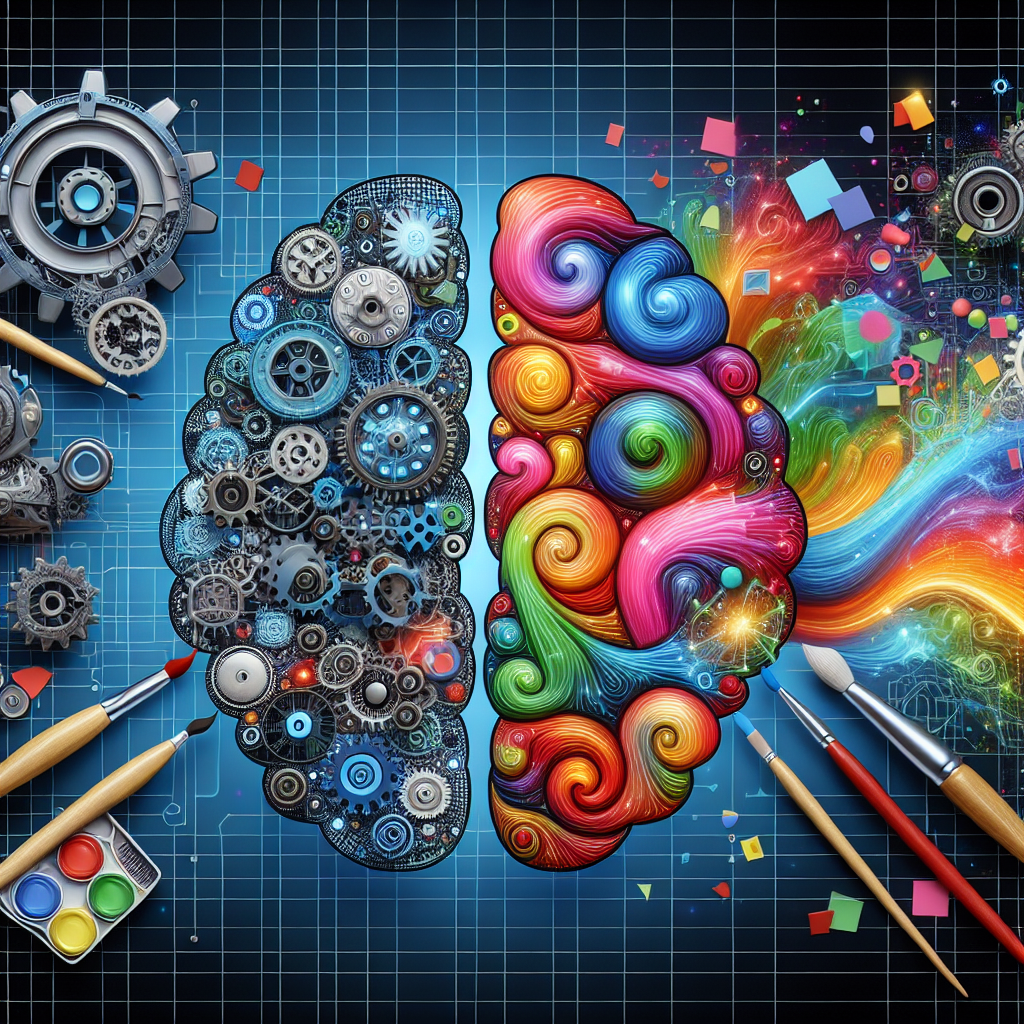
In the digital age, artificial intelligence (AI) has emerged as a powerful tool transforming various sectors, including art and design. This article explores how AI is enhancing creativity and reshaping the landscape of artistic expression. We’ll delve into the intersections of technology and creativity, the tools available for artists and designers, and the implications of AI in the creative realm.
Understanding AI’s Role in Creativity
What is AI?
Artificial Intelligence encompasses systems or machines that replicate human intelligence to perform tasks and improve through experience. In the creative sphere, AI technologies such as machine learning, neural networks, and generative algorithms are making significant contributions.
Why AI in Art and Design?
AI not only assists artists in their creative processes but also opens new avenues for innovative expressions. The integration of AI encourages experimentation and removes creative blocks by providing artists with resources and insights.
AI Tools Revolutionizing Creativity
Generative Art
Generative art involves algorithms that create artworks based on inputs and parameters defined by the artist. Programs like Google’s DeepDream and OpenAI’s DALL-E offer remarkable capabilities, producing unexpected and captivating visuals.
How Generative Art Works
Using various algorithms, generative art takes a set of rules and generates unique pieces. This method encourages artists to think outside the box, allowing machines to surprise them with innovative designs.
AI-Driven Design Tools
AI in design tools has revolutionized how designers work. Tools like Adobe Sensei and Canva’s Magic Write incorporate AI to streamline processes, improve efficiency, and enhance creativity.
Features of AI-Driven Design Tools
- Automated Layouts: AI can analyze content and suggest layouts to optimize design aesthetics.
- Color Palette Suggestions: Tools can recommend color schemes based on user preferences and current design trends.
- Content Generation: AI can automate text creation, enabling designers to focus more on visual elements.
Virtual Reality and AI
The combination of AI and virtual reality (VR) creates immersive experiences for artists and audiences. Artists can now create 3D environments that offer a multisensory experience, making art more interactive and engaging.
Case Studies: AI in Action
AI in Music Composition
AI has made strides in music composition, with tools like AIVA and Jukedeck allowing users to create original scores. These platforms analyze existing music styles and generate compositions that fit selected moods and genres.
Impact on Musicians
By automating parts of the composition process, musicians can concentrate on more expressive elements, such as lyrics or instrumentation, thus revitalizing their creativity.
Fashion Design and AI
In the fashion industry, AI helps designers predict trends based on vast datasets. Brands like Stitch Fix employ algorithms to suggest clothing styles, combining customer preferences with the latest trends.
Ethical Considerations
While AI promotes efficiency, it raises ethical questions about originality and the potential loss of human touch in creative industries.
The Synergy of Human Creativity and AI
Collaboration Over Replacement
One of the most significant insights from AI’s integration into art and design is the idea of collaboration rather than replacement. Artists are not competing with AI; instead, they harness it as a tool that augments their creative capabilities.
Fostering Innovation
AI-driven platforms encourage artistic innovation. By identifying trends and suggesting creative directions, AI propels artists to explore uncharted territories, including new mediums and methodologies.
Challenges and Concerns
Copyright and Intellectual Property
The infusion of AI in creative processes raises concerns about copyright. Who owns the rights to an artwork created by an AI? These questions require urgent attention as artists, companies, and policymakers navigate the evolving landscape.
Relying Too Heavily on Technology
While AI can enhance creativity, over-reliance on technology may suppress individual artistic growth. It’s crucial for artists to find a balance and maintain their unique creative voices.
The Future of AI in Art and Design
Continuous Evolution
As technology evolves, so will the tools and opportunities available to creators. With advancements in deep learning and neural networks, the potential for more sophisticated AI tools continues to grow.
Educational Implications
The increasing use of AI in creative fields necessitates new educational approaches. Schools and institutions will need to incorporate AI literacy into their curricula to prepare future artists and designers.
Conclusion
AI is undeniably enhancing creativity, ushering in a new age of art and design. By transforming how creators work, AI encourages experimentation, fosters innovation, and ultimately enriches human expression. As artists and designers continue to explore these possibilities, they must also navigate the accompanying challenges and ethical dilemmas, ensuring that technology serves as a partner in their creative journeys rather than a hindrance.
FAQs
Q1: How is AI affecting traditional art forms?
AI introduces new methods and tools that can complement traditional techniques, allowing artists to explore innovative styles and executions.
Q2: Can AI replace human creativity?
AI is not designed to replace human creativity but to enhance it, offering tools to support and inspire artists in their creative processes.
Q3: What are the potential risks of AI in the arts?
Potential risks include issues of copyright, the loss of authenticity, and the danger of over-reliance on technology, which may stifle individual creativity.
Q4: How can artists effectively use AI in their work?
Artists can experiment with various AI tools and integrate them into their creative processes, using AI-generated suggestions as a springboard for their artistic visions.
Q5: Will AI lead to a homogenization of art?
While AI can facilitate trend-based creations, individual artistic voices will continue to shine through. The key lies in how artists choose to incorporate AI into their unique styles.
In this new age of art and design, the collaboration between AI and human creativity promises to unlock unprecedented potential for innovation and expression, shaping a future where art continues to thrive.