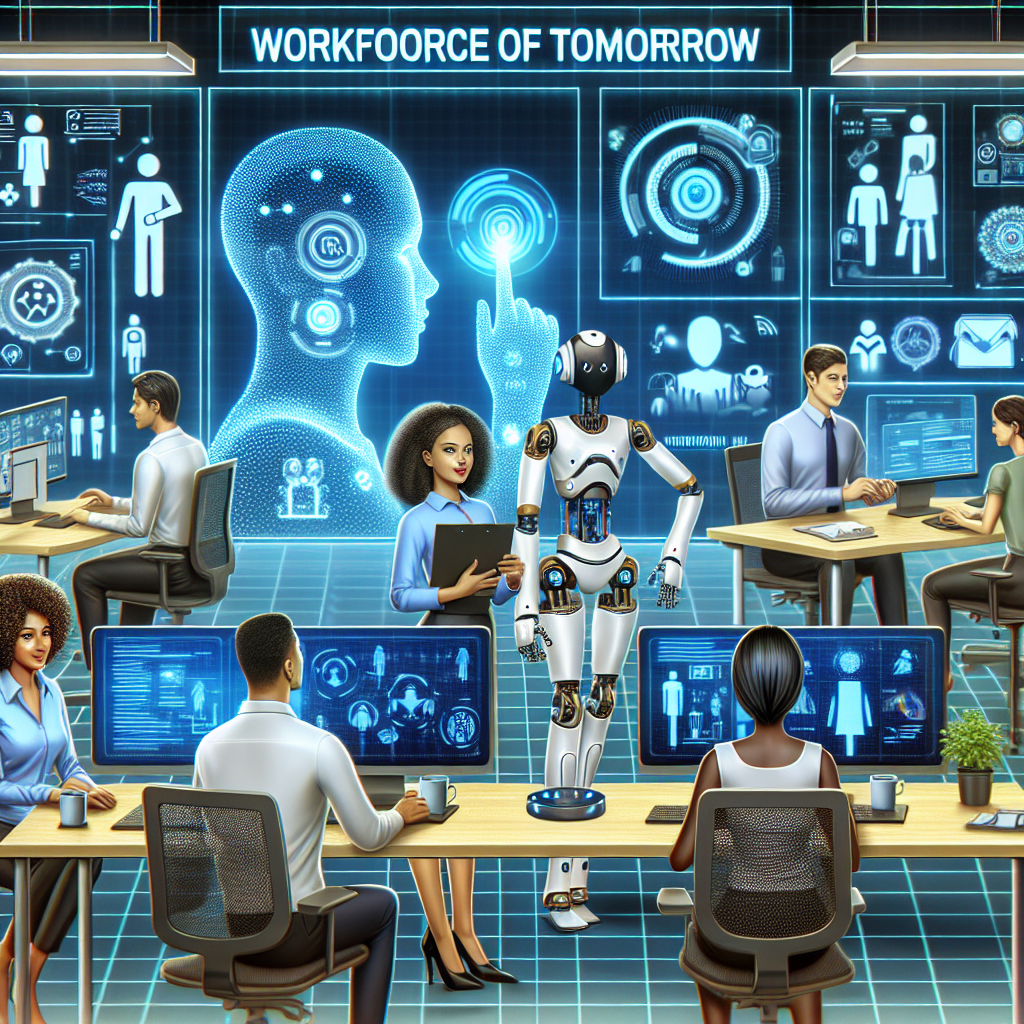
Human-AI collaboration represents a transformative shift in the workforce landscape. As artificial intelligence continues to advance, organizations are reimagining their workforce strategies to blend human creativity and intuition with AI’s data-processing capabilities. This comprehensive guide will discuss the critical aspects of this collaboration, its implications for future employment, and how businesses can harness AI to improve efficiency and productivity.
H2: Understanding Human-AI Collaboration
H3: Definition and Importance
Human-AI collaboration refers to the symbiotic relationship between humans and AI systems, wherein both entities work together to achieve a common goal. This collaboration can enhance productivity, creativity, and decision-making processes, allowing businesses to expedite innovation and improve service quality.
AI technologies, like machine learning, natural language processing, and robotics, are not just tools but partners that can augment human capabilities. Their integration into the workforce is crucial for remaining competitive in today’s fast-paced market.
H3: The Rise of AI in the Workforce
The increasing implementation of AI tools and technologies is reshaping industries, from healthcare to finance. According to the McKinsey Global Institute, 70% of companies are expected to integrate AI into their operations by 2030. This trend underscores the urgency for businesses to adapt and embrace AI as part of their workforce strategy.
H2: The Benefits of Human-AI Collaboration
H3: Enhanced Productivity
One of the primary benefits of human-AI collaboration is enhanced productivity. AI systems can handle repetitive tasks, analyze vast datasets, and provide insights that would take humans significantly longer to uncover. This allows human employees to focus on more complex, creative aspects of their roles, leading to a more efficient workflow.
H3: Improved Decision-Making
AI algorithms support better decision-making by providing data-driven insights. For instance, in the healthcare sector, AI tools assist physicians by analyzing patient data and predicting health outcomes. By combining human intuition with AI’s analytical power, organizations can make more informed decisions, ultimately leading to better outcomes.
H3: Optimized Resource Allocation
With AI taking on mundane tasks, organizations can optimize resource allocation. Human employees can be deployed where their skills are most needed, and companies can streamline operations to reduce waste and enhance morale, as employees engage in more meaningful work.
H2: Challenges in Human-AI Collaboration
H3: Trust Issues
Despite the benefits, there are notable challenges in human-AI collaboration. Trust is a significant barrier; employees may fear that AI will replace their jobs rather than enhance them. Clear communication and transparency regarding AI’s role within the company are essential to overcome this hurdle.
H3: Skill Gaps
Another challenge is the existing skill gap. Many employees may lack the technical know-how required to work effectively with AI systems. Organizations must invest in reskilling and upskilling initiatives to prepare their workforce for a collaborative future.
H3: Ethical Considerations
As AI systems evolve, ethical considerations surrounding their application emerge. Issues like data privacy, algorithm bias, and accountability must be addressed to maintain trust and ensure responsible AI usage.
H2: Implementing Human-AI Collaboration Strategies
H3: Developing a Clear Vision
For successful human-AI collaboration, organizations should establish a clear vision of how AI can complement their workforce. Stakeholders must collaboratively define objectives and performance metrics to measure progress effectively.
H3: Investing in Training and Development
To bridge the skill gap, organizations must prioritize training and development. Implementing continuous learning programs can ensure that employees stay updated with the latest AI tools and technologies, enhancing their ability to collaborate effectively with these systems.
H3: Fostering an Inclusive Culture
Encouraging a culture of inclusivity and openness is vital in facilitating human-AI collaboration. Engaging employees in discussions about AI’s integration can alleviate fears and foster a sense of ownership.
H2: Future Employment Trends in a Human-AI Collaborative Workforce
H3: New Job Roles Emerge
As AI continues to augment human capabilities, new job roles will emerge. Positions like AI trainers, ethicists, and managers who can bridge the gap between humans and machines will become increasingly essential. Companies must be prepared to adapt their hiring strategies to accommodate these changes.
H3: Design Thinking and Human-Centered Approaches
Job roles will likely shift towards more design-driven and human-centered approaches. Professionals will be needed to ensure that AI applications align with human values and preferences. This transition emphasizes creativity and empathy in the workplace, areas where humans still excel.
H3: Ongoing Collaboration and Innovation
The future will see continuous collaboration between humans and AI, with ongoing innovations shaping the workforce. Organizations must remain agile to adapt their strategies in response to technological advancements, ensuring a resilient and future-proof workforce.
H2: Case Studies of Successful Human-AI Collaboration
H3: Google: Enhancing Employee Productivity
Google has effectively leveraged AI technologies to enhance employee productivity. From using AI for predictive analytics in hiring to optimizing ad placements, Google exemplifies the power of human-AI collaboration. Their AI tools complement human ingenuity, driving innovation and supporting a collaborative environment.
H3: IBM: AI in Customer Service
IBM’s Watson AI is a prime example of human-AI collaboration in customer service. By processing vast amounts of customer data, Watson assists support agents in delivering personalized solutions. This collaboration not only increases customer satisfaction but also allows agents to focus on complex cases that require human empathy and reasoning.
H3: Healthcare: AI in Diagnostics
In healthcare, AI applications like IBM Watson Health revolutionize diagnostic processes. By analyzing patient records and medical literature, AI can provide physicians with recommendations for treatment. This collaboration leads to improved patient outcomes and allows healthcare professionals to focus on direct patient care.
H2: The Path Forward: Adapting to Change
H3: Embracing a Growth Mindset
Organizations must adopt a growth mindset to thrive in the evolving landscape of human-AI collaboration. Emphasizing adaptability and continuous learning will prepare employees to embrace AI as a partner rather than a competitor.
H3: Policy and Regulation
As AI continues to advance, policymakers will need to create regulations that protect individuals while fostering innovation. Balancing ethical considerations with progress will be essential in ensuring the responsible development of AI technologies.
H3: Long-term Vision
Ultimately, organizations that succeed in human-AI collaboration will have a long-term vision. By investing in technology, talent development, and ethical standards, companies can ensure that they remain competitive in a rapidly changing job market.
H2: Conclusion
Human-AI collaboration is not just a trend; it represents a fundamental shift in how work is done across industries. By combining human creativity and emotional intelligence with AI’s analytical prowess, organizations can build a more efficient, innovative, and resilient workforce.
As businesses venture into this new paradigm, it is crucial to navigate the challenges of trust, skill gaps, and ethical considerations carefully. By fostering an inclusive culture, investing in employee development, and maintaining a long-term vision, organizations can cultivate a collaborative environment that maximizes the potential of both humans and AI.
Embracing this transformation will undoubtedly shape the workforce of tomorrow, making it imperative for companies to act now to remain ahead of the curve in this rapidly evolving landscape.
SEO Optimization Tips
- Primary Keyword: Human-AI Collaboration
- Related Terms: Workforce, AI Systems, Productivity, Employee Training, Ethical AI, Future of Work
- Meta Description: Discover how human-AI collaboration is reshaping the workforce of tomorrow, enhancing productivity, decision-making, and creating new job opportunities.
- Internal Links: Refer to related articles about AI in business or workforce development strategies.
- External Links: Cite statistics and studies from recognized institutions like McKinsey or IBM to enhance credibility.
Together, by implementing these strategies and understanding the nuances of human-AI collaboration, organizations can position themselves as leaders in the workforce of tomorrow.