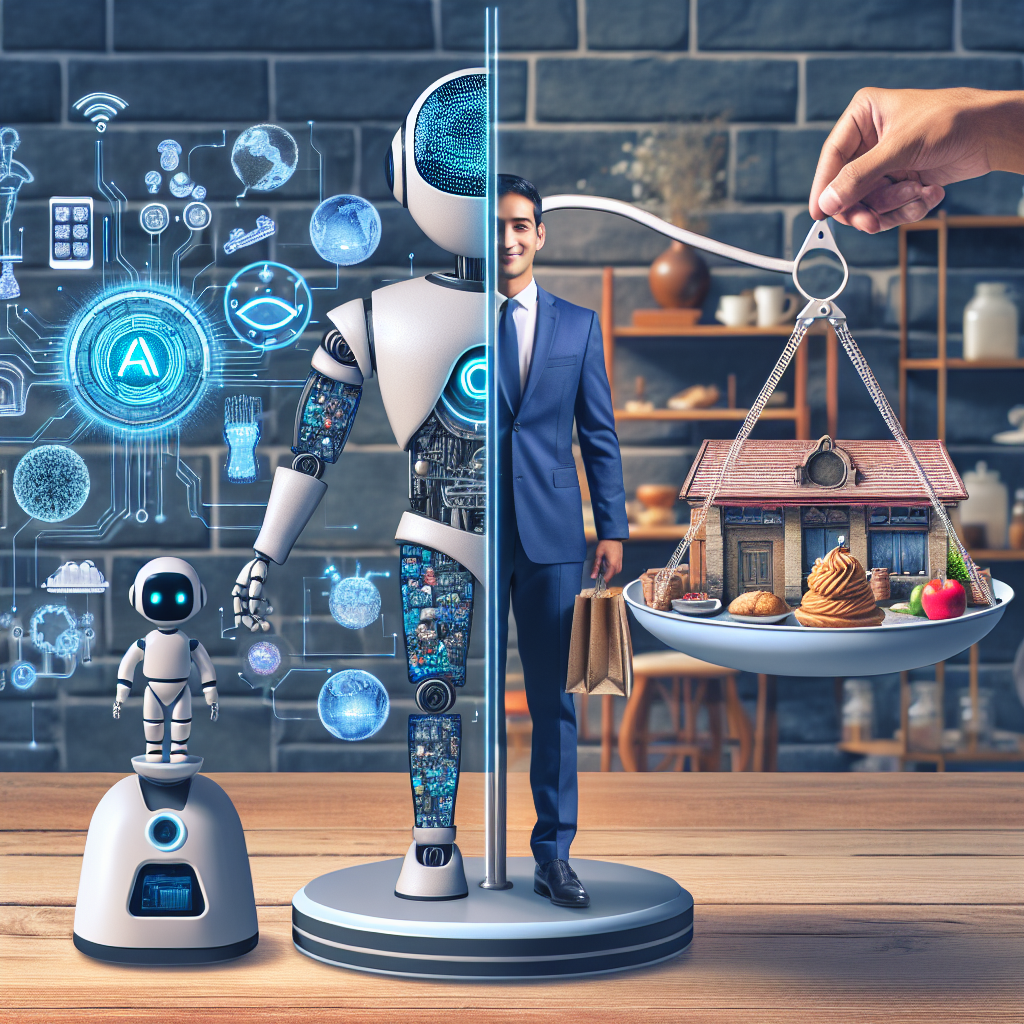
In today’s rapidly evolving technological landscape, small businesses face a pivotal decision: how to leverage Artificial Intelligence (AI) while preserving the essential human touch that fosters customer relationships and brand loyalty. This article will explore the advantages and drawbacks of AI, the importance of human interaction, and how to strike the right balance for your unique business needs.
Table of Contents
- Understanding AI in Small Business
- The Advantages of AI
- The Role of Human Touch
- Finding the Right Balance
- 4.1 Assessing Your Business Needs
- 4.2 Hybrid Models: Combining AI and Human Touch
- 4.3 Feedback Loops
- Real-World Examples
- Best Practices for Implementation
- Conclusion
Understanding AI in Small Business
Artificial Intelligence is not just a buzzword—it’s a transformative force reshaping the landscape of small businesses. AI systems enable businesses to automate repetitive tasks, analyze data swiftly, and enhance decision-making processes. However, integrating AI requires a nuanced understanding of how it can complement, rather than replace, the human touch.
The Advantages of AI
Automation and Efficiency
One of the most significant benefits of AI is its ability to automate mundane tasks that can consume valuable time and resources. From inventory management to customer inquiries, AI can handle various functions, ensuring operational efficiency.
Data Analysis and Insights
AI excels in data processing and analysis. For small businesses, harnessing AI tools can uncover trends, customer preferences, and market dynamics that may not be readily apparent. This data-driven approach allows for informed decision-making and strategic planning.
Cost Reduction
Implementing AI technologies can lead to substantial cost savings. By automating processes, businesses can reduce workforce expenses and minimize human error, resulting in better financial health.
The Role of Human Touch
Building Relationships
While AI excels at efficiency, it lacks the emotional intelligence that human interactions bring to customer relationships. In small businesses, personal touch remains vital for building trust and loyalty. Customers often prefer interacting with real people, especially when they encounter complex issues.
Customer Service Excellence
Customer service is a critical aspect of any business. AI chatbots can handle simple inquiries but may fall short during complex situations that require empathy and nuanced understanding. By having human representatives available during challenging interactions, businesses can reinforce their commitment to customer satisfaction.
Brand Authenticity
Customers increasingly value authenticity. A human touch can resonate more deeply with audiences than automated responses. Genuine communication fosters a sense of belonging and loyalty, which is essential for long-term success.
Finding the Right Balance
Assessing Your Business Needs
To determine the right balance between AI and human touch, businesses must first assess their unique needs. Understanding customer demographics, industry challenges, and available resources can provide insight into how to integrate AI effectively.
Hybrid Models: Combining AI and Human Touch
One viable strategy is to implement a hybrid model, where AI handles routine tasks while humans focus on higher-level interactions. For instance, using AI-powered chatbots for simple queries while ensuring human representatives are available for more complex issues can create an efficient yet personal customer service experience.
Feedback Loops
Creating feedback loops that include customer suggestions and employee insights can optimize the AI-human balance. Regularly reviewing performance metrics and gathering customer feedback will enable businesses to iterate and improve services continually.
Real-World Examples
Example 1: E-commerce
An e-commerce business can utilize AI for inventory management and customer recommendations based on browsing history while employing customer service representatives to handle returns, complaints, and personal inquiries.
Example 2: Healthcare
A small healthcare provider may use AI for appointment scheduling and record-keeping. Still, they would rely on human staff for nurturing patient relationships and addressing sensitive health concerns.
Best Practices for Implementation
1. Start Small
Begin experimenting with AI in small areas of your business, such as automating scheduling or utilizing data analytics tools. This gradual approach allows for assessment and adjustment before full-scale implementation.
2. Educate Your Team
Ensure that your team understands the AI tools you are employing and encourage them to provide insights on integrating these technologies with a human touch.
3. Continuously Monitor Performance
Keep an eye on how AI impacts customer satisfaction and overall business efficiency. Use metrics to identify pain points and areas for improvement.
4. Foster a Culture of Collaboration
Encourage collaboration between AI and human teams. Emphasize the importance of human oversight in decision-making processes, ensuring that team members understand that AI is a tool to enhance their capabilities, not replace them.
Conclusion
In conclusion, small businesses can greatly benefit from utilizing AI to optimize operations, but they must also prioritize maintaining the human touch that cultivates customer relationships. By finding the right balance between AI and human interaction, small businesses can enhance efficiency while fostering loyalty and trust among their customers. Striking this balance is not merely a challenge; it’s an opportunity to innovate and grow in the competitive landscape.
This comprehensive examination of AI vs. Human Touch aims to guide small business owners in navigating the complexities of technology integration while preserving the essence of personal connections that their customers value. By understanding the advantages and limitations of AI, as well as the importance of human interaction, small businesses can develop strategies that position them for sustained success in the digital age.