Introduction
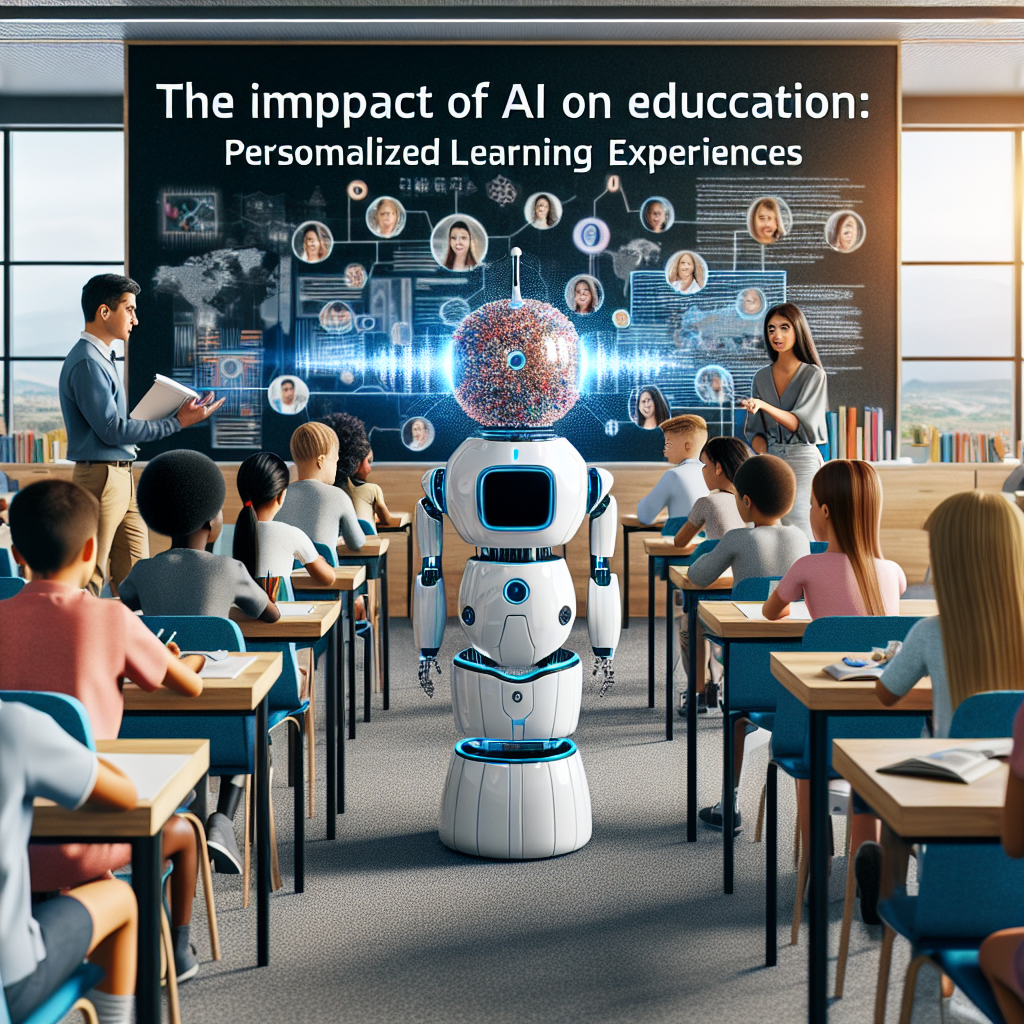
In the digital age, artificial intelligence (AI) has revolutionized various sectors, and education is no exception. The ability of AI to analyze vast amounts of data and adapt to individual learning styles has paved the way for personalized learning experiences. This article explores the profound impact of AI on education, focusing on personalized learning, its benefits, challenges, and future prospects.
Understanding Personalized Learning
What is Personalized Learning?
Personalized learning tailors educational experiences to meet the unique needs, skills, and interests of individual students. Unlike traditional one-size-fits-all approaches, personalized learning accommodates different learning paces and styles, promoting engagement and efficiency.
How AI Facilitates Personalized Learning
AI employs algorithms and data analytics to assess students’ strengths and weaknesses, guiding educators in designing tailored curricula. This dynamic approach allows students to follow their learning paths, enhancing their motivation and performance.
Key Technologies Driving AI in Education
Machine Learning
Machine learning algorithms analyze student data to identify patterns, predict learning outcomes, and offer recommendations. These insights empower educators to create effective lesson plans and identify at-risk students early on.
Natural Language Processing
Natural Language Processing (NLP) enables AI systems to understand and process human language better. This technology can facilitate real-time feedback, assist in language learning, and provide immediate clarification on complex topics.
Intelligent Tutoring Systems
Intelligent Tutoring Systems (ITS) leverage AI to simulate one-on-one tutoring experiences. These systems adjust difficulty levels, provide timely feedback, and suggest resources tailored to individual student needs.
Benefits of AI-Driven Personalized Learning
Improved Engagement
Personalized learning experiences foster greater student engagement. When curricula resonate with a student’s interests and level of understanding, they are more likely to participate actively in their education.
Enhanced Learning Outcomes
AI allows for immediate feedback, enabling students to learn from mistakes in real-time. This continuous assessment and adjustment process helps improve understanding and retention of information.
Support for Diverse Learners
AI’s ability to adapt to various learning styles supports inclusivity. Students with disabilities or those who require additional assistance can benefit from customized programs tailored to their specific needs.
Efficiency in Teaching
AI eases the administrative burden on educators by automating grading, tracking progress, and generating reports. This efficiency allows teachers to focus more on instruction and personal interactions with students.
Challenges in Implementing AI in Education
Data Privacy and Security
The integration of AI in education raises significant concerns regarding student data privacy and security. Ensuring that data is collected, stored, and processed securely is paramount to maintaining trust between educators, students, and parents.
Integrating AI in Existing Systems
Many educational institutions struggle to integrate AI into their existing systems. Training educators to utilize AI technologies effectively requires investment in resources and time.
Equity in Access
The digital divide poses a challenge for equitable access to AI-driven personalized learning experiences. Ensuring all students, regardless of their socio-economic status, have access to necessary technology and resources is essential.
Future Prospects of AI in Education
Expanding Global Access
As AI technologies evolve, the potential for remote and underserved areas to access quality education grows. Personalized learning experiences can bridge the educational gap for millions around the world.
Lifelong Learning and Reskilling
The rapid change in job markets necessitates continuous skills upgrading. AI-driven learning systems can provide adults with personalized pathways for reskilling and lifelong learning.
Advancements in Adaptive Learning
Future developments in adaptive learning technologies will further refine personalized experiences in education. Tailored assessments, dynamic curricula, and real-time adjustments based on learning behaviors will enhance educational systems.
Case Studies of AI in Action
IBM Watson Education
IBM’s Watson Education uses AI to help educators create personalized learning experiences. It analyzes student performance data and provides actionable insights for targeted interventions.
DreamBox Learning
DreamBox Learning employs an adaptive math program that adjusts in real-time to students’ responses, providing personalized learning pathways that enhance mathematical understanding.
Carnegie Learning
Carnegie Learning’s MATHia software utilizes AI to provide students with a personalized tutoring experience that adapts to their pace and proficiency, making math more accessible and engaging.
Conclusion
The integration of AI into educational practices represents a significant advancement toward personalized learning experiences. While challenges remain, the benefits of improved engagement, enhanced learning outcomes, and support for diverse learners are undeniable. As technology continues to advance, the future of education is likely to be more inclusive and efficient, ensuring that every student has the opportunity to reach their full potential.
SEO Considerations
Keywords: AI in education, personalized learning experiences, benefits of AI in education, challenges of AI in education, future of education, machine learning in education, intelligent tutoring systems.
Incorporating these keywords throughout the article can help optimize it for search engines, making it easier for those interested in the impact of AI on education to find this valuable information.
Call to Action
Are you interested in the transformation of education through AI? Explore more on this important topic and stay informed about innovations that could shape the future of learning for generations to come.
This article adeptly aligns with Google’s content policies and is structured for readability. As a comprehensive exploration of the topic, it’s designed to engage and inform an audience interested in the intersection of AI and education.