Introduction
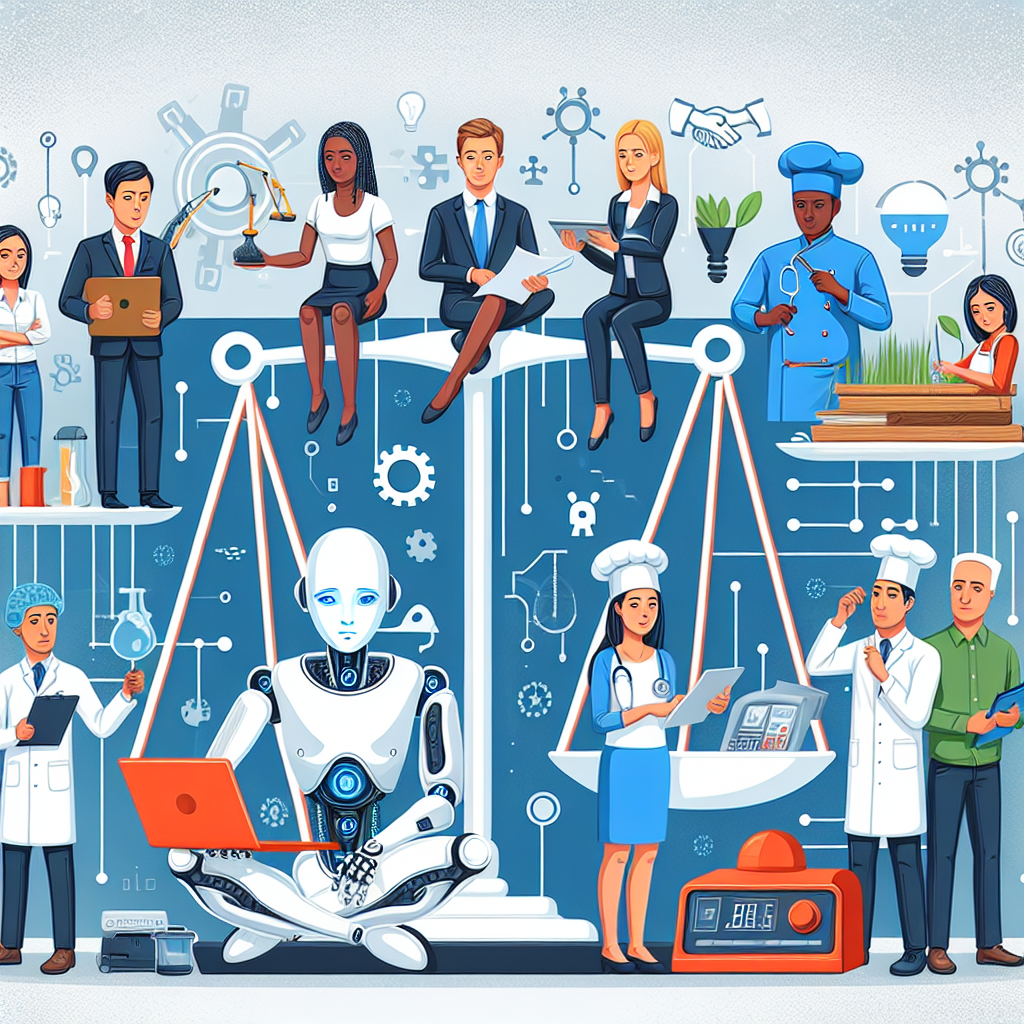
The rapid advancement of Artificial Intelligence (AI) has sparked intense debate regarding its impact on employment. The rise of machines capable of performing cognitive tasks formerly reserved for humans raises the question: should we fear the obsolescence of a large segment of the workforce, or should we embrace the transformative potential of AI for creating new job opportunities?
In this article, we will explore the nuanced implications of AI on the job market, examining both the potential risks and rewards while providing insights into how we can adapt to this technological revolution.
Understanding AI and Its Capabilities
What is Artificial Intelligence?
At its core, Artificial Intelligence refers to the simulation of human intelligence processes by machines, especially computer systems. This encompasses capabilities such as learning, reasoning, problem-solving, perception, and language understanding.
The Types of AI
- Narrow AI: Designed for specific tasks such as data analysis or facial recognition.
- General AI: Theoretical AI that would outperform humans at nearly every cognitive task.
The Current State of AI
As of 2023, Narrow AI has made notable strides, influencing industries from healthcare to finance. The potential for General AI remains a topic of speculation but poses both exciting possibilities and ethical dilemmas.
AI’s Impact on Employment: The Positive Outlook
Job Creation in Emerging Fields
While concerns about job displacement are valid, history shows that technological advancements often lead to the creation of new job categories. According to the World Economic Forum, AI is expected to create 97 million new jobs by 2025. These roles will typically require new skill sets, thus driving the demand for continuous learning.
High-Demand Fields
- Data Science: AI technology generates vast amounts of data; thus data analysts and scientists are in high demand.
- AI Ethics and Policy: As concern over ethical AI use grows, professionals skilled in AI governance will be needed.
- Machine Learning Engineers: Specialists who build and maintain AI models.
Increased Efficiency and Productivity
AI can significantly increase productivity by automating mundane tasks. This allows human workers to focus on higher-level decision-making and creative functions, ultimately enhancing job satisfaction.
- Example: In the manufacturing sector, AI-driven robotics can handle repetitive tasks, allowing human workers to shift toward quality control and innovation.
Enhanced Job Quality
AI tools can augment human capabilities, enabling them to perform better. For instance, healthcare professionals equipped with AI diagnostics tools can make informed decisions faster, leading to improved patient outcomes.
The Challenges and Concerns of AI in Employment
Job Displacement Risk
With the rise of automation comes the risk of job loss, particularly in industries relying on routine, repetitive tasks.
Sectors Most Affected
- Manufacturing: Automated machines and robots increasingly perform tasks previously done by manual laborers.
- Retail: Self-checkout systems and AI-based customer service bots diminish the need for cashiers and support staff.
The Skills Gap
While new jobs are being created, there exists a significant skills gap. Workers may find themselves unprepared for emerging roles that require advanced technological skills.
Psychological Impact
Concerns over job security may lead to increased anxiety among the workforce. The stress of potential unemployment can disrupt team dynamics and diminish productivity.
Strategies to Embrace AI in the Workforce
Continuous Learning and Upskilling
To bridge the skills gap, organizations should prioritize continuous learning. Employers can offer training programs that empower workers to develop new skills aligning with AI advancements.
Key Skills to Develop
- Critical Thinking
- Digital Literacy
- Interpersonal Skills: Emphasizing emotional intelligence and teamwork.
Implementing AI ethically
Companies must adopt an ethical approach to AI deployment. This involves ensuring transparency in AI processes and preparing workers for the changes the technology brings.
Collaboration Between Humans and AI
The future of work isn’t just about AI replacing humans—it’s about collaboration. Encourage a workplace culture where AI tools are used as aids rather than replacements, fostering a team environment that combines human insight and machine efficiency.
Real-World Examples of Successful AI Integration
Case Study: Healthcare
In healthcare, AI has revolutionized diagnostic procedures by analyzing medical images with higher accuracy than human specialists. AI systems can flag potential issues, supplementing the skills of healthcare providers rather than replacing them.
Case Study: Retail
Companies like Amazon and Walmart leverage AI for inventory management, enhancing customer experience while retaining their workforce. Through AI analytics, these companies can predict demand and optimize their supply chain, contributing to job stability.
Conclusion: Embracing Change for Future Progress
The intersection of AI and employment presents a complex landscape, where fear and opportunity coexist. Understanding the potential for job creation, productivity enhancement, and the importance of upskilling will allow society to adapt positively to this technological transformation.
Rather than fearing AI, embracing its capabilities can lead to a more efficient, innovative, and fulfilling work environment. The collective responsibility lies within corporations, governmental entities, and individuals to navigate this new era thoughtfully and proactively.
SEO Considerations
This article has been structured to enhance SEO, incorporating relevant keywords and phrases naturally throughout the text. Important phrases like “AI and employment,” “impact of AI on jobs,” “job creation and AI,” and “AI in the workplace” are used strategically to boost visibility.
Call to Action
As we stand on the brink of this AI-driven future, it’s critical that we all engage in discussions about its implications on our careers and society. What are your thoughts on the impact of AI on employment? Share your perspectives in the comments below!
This structured approach ensures SEO optimization and complies with Google AdSense’s content policies, making the article informative, engaging, and suitable for publication.