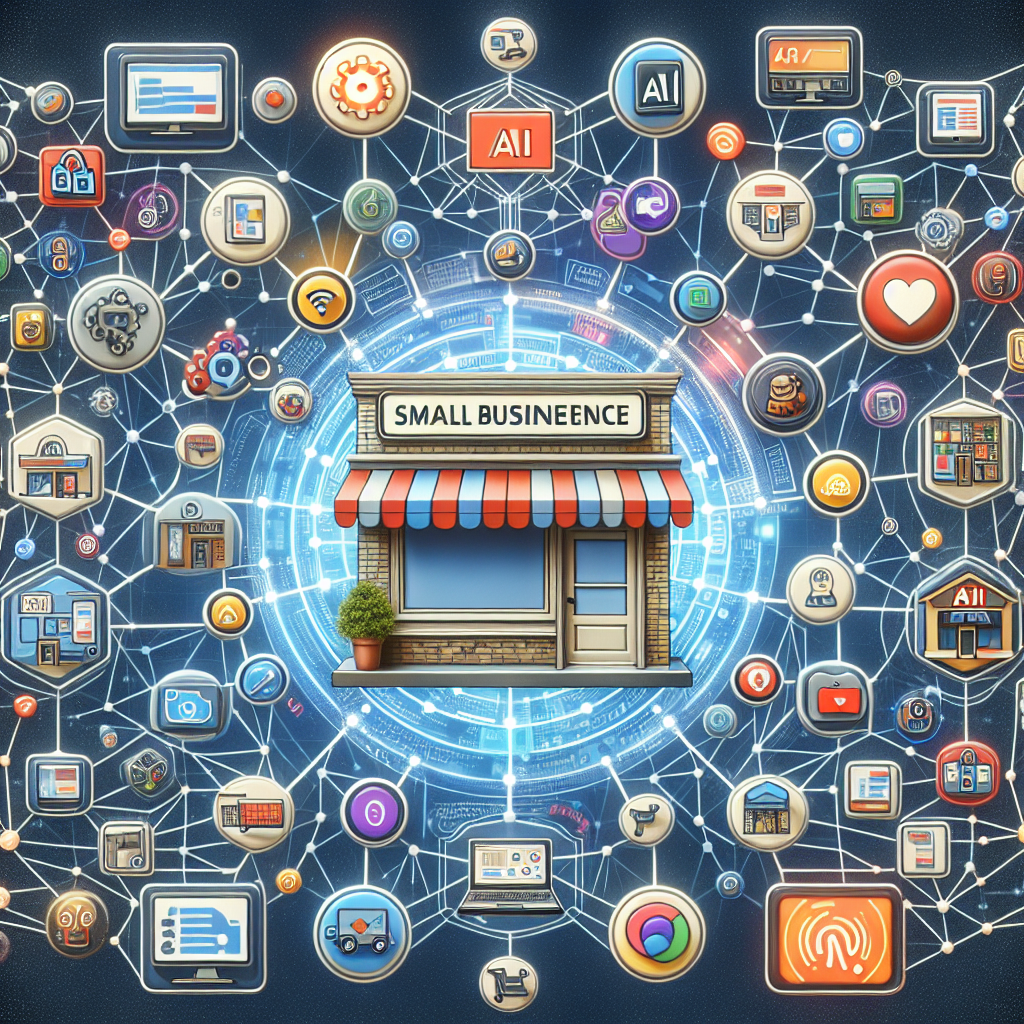
In an era where technology dictates the pace of marketing strategies, small businesses must leverage the benefits of Artificial Intelligence (AI) to compete effectively. This comprehensive guide explores AI-powered marketing strategies tailored for small businesses, helping them distinguish themselves in a crowded marketplace.
Understanding AI in Marketing
What is AI-Powered Marketing?
AI-powered marketing refers to the use of artificial intelligence technologies and techniques to improve marketing campaigns. From data analysis and customer segmentation to personalized content recommendations and chatbots, AI offers myriad tools for enhancing user experience and optimizing marketing efforts.
Importance of AI in Modern Marketing
In today’s fast-paced digital landscape, the role of AI in marketing cannot be overstated. It helps businesses streamline processes, analyze large datasets, and extract valuable insights. For small businesses, leveraging AI enables them to deliver targeted campaigns, personalize communication, and ultimately drive sales.
Benefits of AI for Small Businesses
Enhanced Customer Insights
AI algorithms analyze consumer behavior data to uncover patterns and preferences. These insights enable small businesses to tailor their marketing strategies effectively, ensuring they resonate with their target audience.
Cost Efficiency
Implementing AI technologies can reduce overhead costs. AI tools can automate manual tasks, freeing up time and resources that small businesses can reinvest in strategy and creative endeavors.
Improved Decision Making
AI can provide predictive analytics that help small businesses make informed decisions. By forecasting trends and consumer behaviors, businesses can stay one step ahead of the competition.
24/7 Engagement
AI tools like chatbots can maintain customer engagement round the clock. This ensures that potential customers get immediate responses to their queries, improving the likelihood of conversions.
AI Marketing Strategies for Small Businesses
1. Utilize Chatbots for Customer Service
The Power of Conversational AI
Chatbots offer an efficient way to handle customer queries. By providing instant responses, they not only enhance customer satisfaction but also free up human resources for more complex tasks.
Implementing a Chatbot Strategy
- Identify common customer inquiries: Use analytics to determine FAQ topics.
- Choose a chatbot platform: Platforms like Drift or Intercom offer easy-to-use solutions.
- Test and iterate: Regularly assess chatbot performance and update scripts based on customer feedback.
2. Personalization Through AI
The Importance of Personalized Marketing
Personalization is crucial; 80% of consumers are more likely to make a purchase when brands offer personalized experiences. AI helps analyze user data to deliver tailored recommendations.
Steps for Personalization
- Leverage data analytics tools: Google Analytics, for example, can help track user behavior.
- Segment your audience: Create distinct customer personas based on interests and purchasing behavior.
- Automate communications: Use email marketing platforms like Mailchimp that offer AI-driven features for individualized message delivery.
3. Predictive Analytics for Better Targeting
Understanding Predictive Analytics
Predictive analytics uses historical data to forecast future outcomes. Small businesses can utilize this technology to refine their targeting strategies and improve campaign effectiveness.
Implementation Strategy
- Select the right tools: Tools such as Tableau and SAS can provide robust data analysis.
- Integrate AI solutions: Use machine learning algorithms to predict customer behaviors and preferences.
- Monitor and adjust: Continuously track analytics and refine strategies based on findings.
4. Content Creation and Curation
AI in Content Marketing
AI-driven tools can generate content ideas and even produce written content based on specific parameters. This helps small businesses maintain a consistent flow of relevant content.
Strategies for Content Powered by AI
- Use AI tools for content ideation: Tools like BuzzSumo can analyze trending topics.
- Automate content generation: AI platforms like Jarvis can assist in creating blog posts or social media updates.
- Analyze audience engagement: Utilize analytics to refine content strategy based on what resonates with your audience.
5. AI-Driven Advertising Campaigns
The Role of AI in Advertising
AI can significantly enhance the effectiveness of advertising campaigns by optimizing ad placements and targeting.
Effective AI Advertising Strategies
- Implement programmatic advertising: Automate ad buying and allow AI to manage bidding and targeting.
- Use machine learning models: These can analyze performance data and dynamically adjust campaigns.
- Test and refine: Use A/B testing to determine the effectiveness of different ad strategies.
SEO Best Practices for AI-Powered Marketing
1. Optimize for Voice Search
With the rise of voice-activated devices, optimizing content for voice search is essential. Use natural language and long-tail keywords for better visibility.
2. Develop Quality Content
Create high-quality, engaging content that offers real value. This will not only improve SEO rankings but also increase user engagement.
3. Use Structured Data
Implement structured data markup to help search engines better understand your content, leading to enhanced visibility in search results.
4. Regularly Update Content
Keep content fresh and relevant by updating existing articles and blog posts. This signals to search engines that your website is active and authoritative.
Measuring Success in AI-Powered Marketing
Key Performance Indicators (KPIs)
To evaluate the success of your AI-powered marketing strategies, monitor these KPIs:
- Customer engagement rates: Measure how often users interact with your brand.
- Conversion rates: Track the percentage of users taking desired actions.
- Return on investment (ROI): Analyze the financial efficacy of your marketing campaigns.
Tools for Measurement
- Google Analytics: Offers comprehensive data about user behavior.
- Hootsuite: For tracking social media engagement and performance.
- HubSpot: Provides insights into overall marketing effectiveness.
Challenges of AI in Marketing
Potential Issues
While AI offers numerous benefits, challenges exist:
- Cost of implementation: Initial investment can be significant for some small businesses.
- Data privacy concerns: Compliance with laws like GDPR is essential when using customer data.
- Need for regular updates: AI tools require constant monitoring and updates to stay effective.
Overcoming Challenges
- Start small: Implement one AI tool at a time to manage costs effectively.
- Educate your team: Ensure that your staff understands the tools and how to use them efficiently.
- Consult experts: When possible, work with marketing professionals to navigate the complexities of AI.
Conclusion
In summary, AI-powered marketing strategies represent a vital opportunity for small businesses to differentiate themselves in increasingly competitive environments. By leveraging AI technologies—such as chatbots, personalized marketing, predictive analytics, and more—small businesses can enhance customer engagement, streamline operations, and drive sales.
Next Steps for Implementation
- Conduct a needs assessment: Determine which areas of your marketing could benefit most from AI.
- Research tools: Identify AI platforms that align with your business goals and budget.
- Create a strategy: Outline an actionable plan for integrating AI into your marketing efforts.
By following these steps and employing the strategies outlined in this article, your small business can harness the transformative power of AI to not only survive but thrive in the modern marketplace.