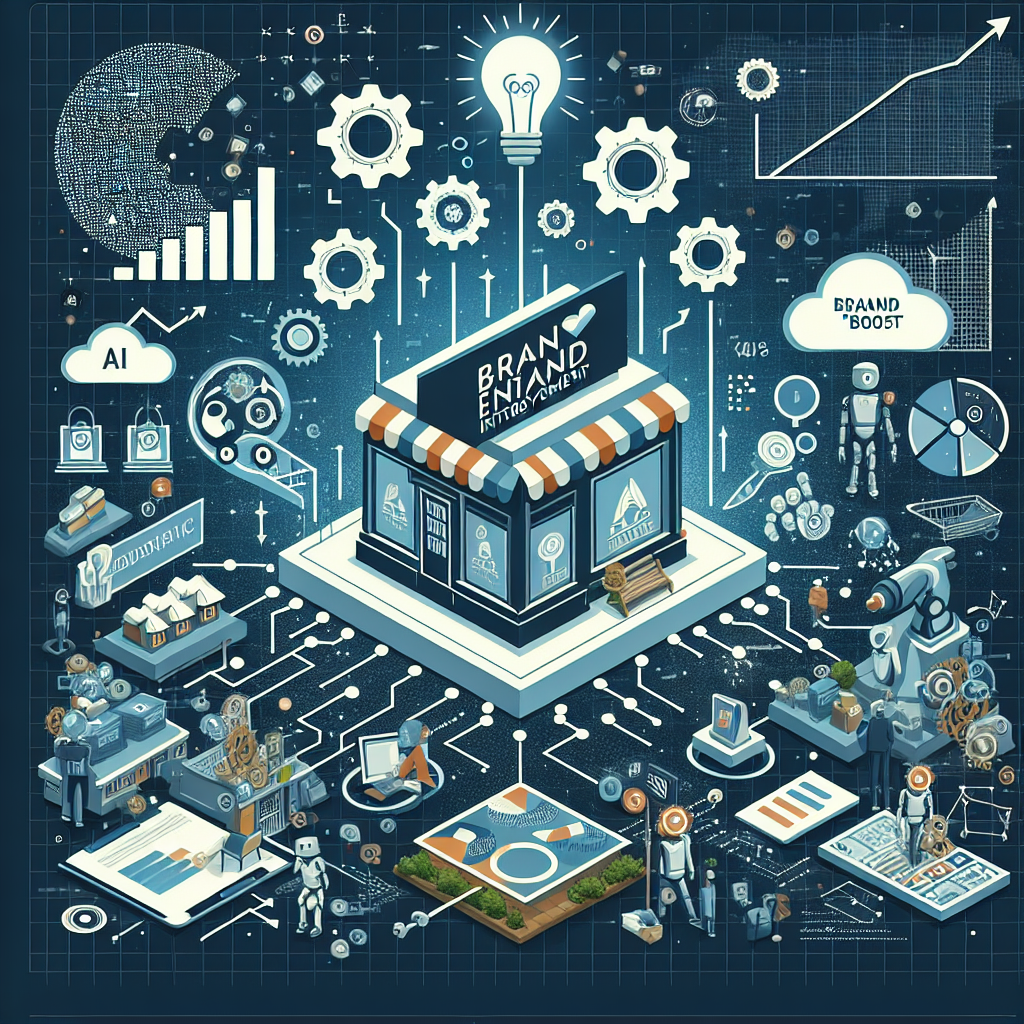
In today’s fast-paced digital landscape, small businesses face the dual challenge of competing against larger corporations while also meeting the changing demands of a tech-savvy consumer base. Artificial Intelligence (AI) has emerged as a transformative force, providing small businesses with the tools they need to leverage data, automate tasks, and enhance customer experiences. In this comprehensive article, we will explore how AI revolutionizes small business marketing, its key benefits, and practical applications.
Table of Contents
- What is AI in Marketing?
- The Importance of Marketing for Small Businesses
- How AI Helps Small Businesses
- 3.1 Data Analysis
- 3.2 Customer Insights
- 3.3 Personalization
- 3.4 Automation
- 3.5 Chatbots
- Practical Applications of AI in Small Business Marketing
- 4.1 Content Creation
- 4.2 Social Media Management
- 4.3 Email Marketing
- 4.4 SEO Optimization
- Case Studies: Small Businesses Thriving with AI
- Challenges and Considerations when Using AI
- The Future of AI in Small Business Marketing
- Conclusion
1. What is AI in Marketing?
Artificial Intelligence refers to the simulation of human intelligence in machines programmed to think and learn. In marketing, AI incorporates various technologies, including machine learning, natural language processing, and predictive analytics, to improve decision-making, enhance customer engagements, and optimize marketing strategies.
2. The Importance of Marketing for Small Businesses
Effective marketing is crucial for small businesses looking to establish a strong brand presence. Marketing not only attracts customers but also fosters relationships, builds brand loyalty, and drives sales. With tight budgets and limited resources, small businesses must find efficient and cost-effective marketing strategies.
3. How AI Helps Small Businesses
AI can assist small businesses in various ways, making it an invaluable tool for marketers. By harnessing the power of AI, businesses can streamline their operations, gain insights into customer behavior, and create personalized experiences that resonate with their audience.
3.1 Data Analysis
Data is the new oil. AI technologies can analyze vast amounts of data quickly and accurately. For small businesses, this means better understanding market trends and customer preferences.
- Predictive Analytics: AI can forecast future trends based on historical data, helping businesses make proactive decisions.
3.2 Customer Insights
AI-powered analytics tools provide deeper insights into customer behavior.
- Segmentation: Small businesses can segment their audience based on behavior, preferences, and demographics, leading to targeted marketing campaigns.
3.3 Personalization
Today’s consumers expect personalized experiences.
- Tailored Recommendations: AI algorithms can suggest products based on previous purchases and browsing history, enhancing the customer journey.
3.4 Automation
AI can automate repetitive tasks, freeing up valuable time for small business owners.
- Task Management: Marketing tasks like scheduling posts, tracking performance metrics, and sending reminders can be automated, allowing businesses to focus on creative aspects.
3.5 Chatbots
AI-powered chatbots can provide 24/7 customer support.
- Real-time Assistance: These virtual assistants can answer frequently asked questions, guide customers through the purchasing process, and even handle basic troubleshooting.
4. Practical Applications of AI in Small Business Marketing
Implementing AI in marketing strategies can lead to significant improvements. Below, we explore some practical applications.
4.1 Content Creation
AI tools can assist in generating content for blogs, social media, and newsletters.
- Content Optimization: AI can analyze existing content and recommend improvements or even generate new content based on popular topics.
4.2 Social Media Management
AI can help small businesses manage their social media presence more efficiently.
- Scheduling Posts: Using AI tools, businesses can optimize posting times for maximum engagement and analyze performance metrics to refine strategies.
4.3 Email Marketing
AI can enhance email marketing strategies through better targeting and personalization.
- Dynamic Content: Tailoring email content based on customer engagement can increase open rates and conversion.
4.4 SEO Optimization
AI tools can help small businesses improve their search engine rankings.
- Keyword Analysis: AI can suggest relevant keywords based on trends, helping businesses increase their visibility.
5. Case Studies: Small Businesses Thriving with AI
Case Study 1: E-commerce Store
An e-commerce store implemented AI-based chatbots to handle customer inquiries. This led to a 30% increase in customer satisfaction and a 20% boost in sales due to improved engagement.
Case Study 2: Local Restaurant
A local restaurant used AI to analyze customer reviews and optimize their menu based on popular items, resulting in a significant increase in repeat customers.
6. Challenges and Considerations when Using AI
While AI offers numerous benefits, small businesses must also be aware of potential challenges:
- Data Privacy: Collecting and analyzing customer data must comply with privacy laws and regulations.
- Initial Costs: Implementing AI technology can require significant upfront investment.
- Complexity: Some AI tools may have a steep learning curve that could overwhelm small business owners.
7. The Future of AI in Small Business Marketing
As technology continues to evolve, the possibilities for AI in small business marketing will expand. Future trends may include:
- Enhanced Customer Experiences: Continued personalization will become more sophisticated through the use of AI.
- Integration with Other Technologies: AI may seamlessly integrate with other emerging technologies like VR and AR, creating a more immersive customer experience.
8. Conclusion
AI is revolutionizing small business marketing, providing tools for data analysis, customer insights, and automation. By incorporating AI into their marketing strategies, small businesses can enhance their brand visibility and build meaningful connections with customers. As the landscape continues to evolve, those who adapt and embrace these tools will undoubtedly stand out in a competitive market.
SEO Optimization Note
To optimize this article for search engines, consider the following strategies:
- Utilize Keywords: Include keywords such as “AI in small business marketing,” “AI tools for marketing,” and “business automation.”
- Meta Descriptions: Write compelling meta descriptions that include your main keyword.
- Internal Links: Link to relevant articles that expand on the topics discussed.
- External Links: Include authoritative external links to enhance credibility.
By implementing these strategies, the visibility of this article will increase, reaching a broader audience while adhering to Google AdSense policies.