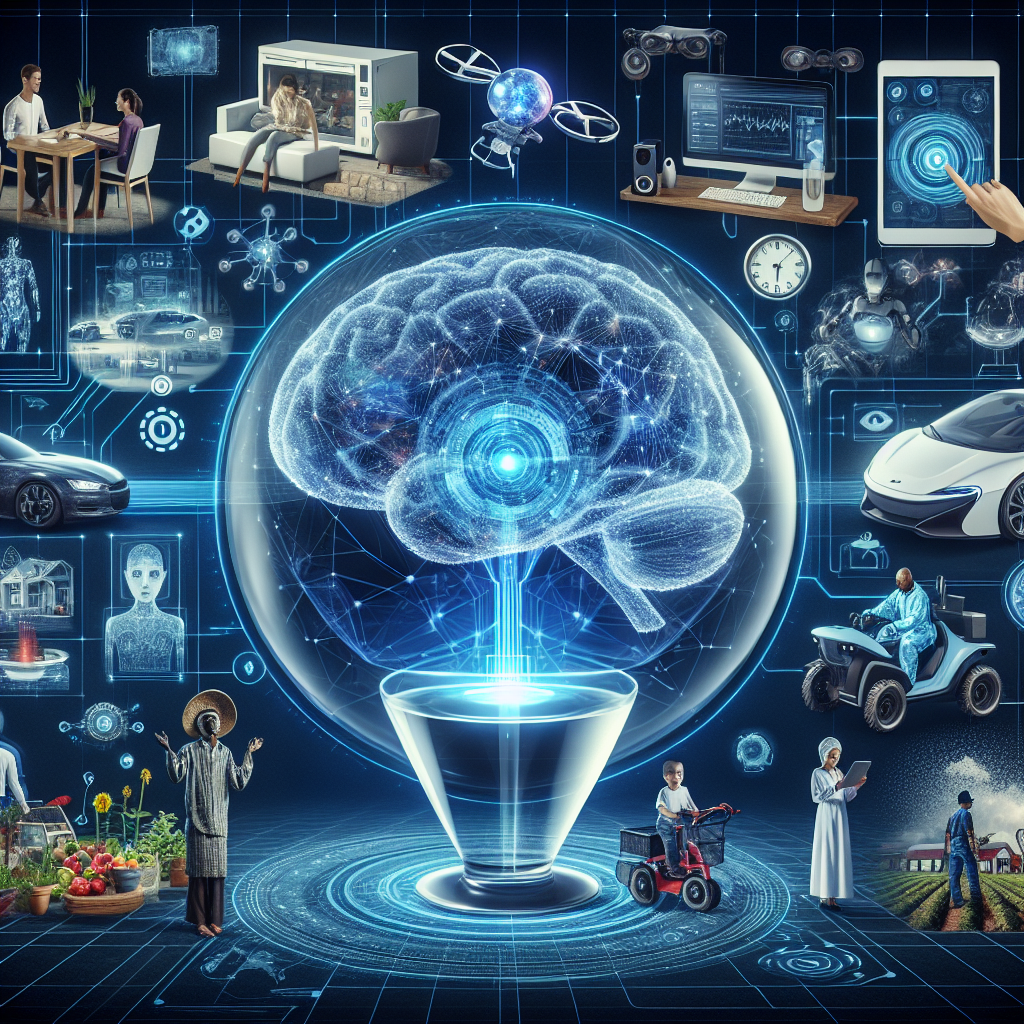
As we hurtle through the 21st century, one technology stands out in its ability to reshape our world: artificial intelligence (AI). You may have already interacted with AI without realizing it. From smart speakers and virtual assistants to recommendation algorithms on streaming services, AI is omnipresent in our everyday lives. In this comprehensive article, we will explore how AI is transforming various facets of our existence ranging from healthcare and education to home automation and transportation.
Table of Contents
- Introduction
- Understanding AI
- AI in Daily Life
- 3.1 Smart Home Technology
- 3.2 Healthcare
- 3.3 Education
- 3.4 Transportation
- The Business World and AI
- Benefits and Challenges of AI
- The Future of AI
- Conclusion
Introduction
Artificial Intelligence has evolved from a niche area of computer science to a critical component of our modern lives. Its impact is profound, affecting how we work, learn, and even connect with each other. With the increased adoption of smart devices and advances in machine learning, the future of AI is not just on the horizon; it is already here.
Understanding AI
Before diving deeper, it’s essential to understand what AI actually is. At its core, AI refers to the simulation of human intelligence in machines. This encompasses a variety of technologies and methodologies, including:
- Machine Learning (ML): Algorithms that enable computers to learn from and make decisions based on data.
- Natural Language Processing (NLP): The capability of a machine to understand and respond to human language.
- Computer Vision: The ability of computers to interpret and understand visual information.
These technologies work together to create intelligent systems that can analyze data, recognize patterns, and make predictions.
AI in Daily Life
Smart Home Technology
One of the most exciting arenas for AI application is in smart home technology. Devices such as smart speakers, thermostats, and security systems learn from user behavior to provide a more personalized experience.
Example: Amazon Echo and Google Home can manage everyday tasks, from setting appointments to controlling home appliances. As these devices become increasingly sophisticated, they will continue to learn and adapt to user preferences, making them indispensable in modern households.
Healthcare
AI’s impact on healthcare is both profound and transformative. From predictive analytics that improve patient outcomes to AI-powered diagnostic tools like IBM’s Watson, the technology is changing how medical professionals deliver care.
Example: AI algorithms can analyze medical images to detect signs of diseases such as cancer at much earlier stages than human physicians. This not only enhances diagnostic accuracy but also saves lives by allowing for timely intervention.
Education
AI is revolutionizing education in multiple ways. Personalized learning experiences powered by AI give students tailored curricula based on their skills and pace of learning.
Example: Platforms like Duolingo employ AI to adapt lessons in real-time, making learning a new language more engaging and effective for users of all levels.
Transportation
The advent of AI in transportation is perhaps most visible in the development of autonomous vehicles. These vehicles rely on complex algorithms and sensory data to navigate safely through various environments.
Example: Companies like Tesla are testing self-driving cars that promise to reduce accidents caused by human error, improve traffic efficiency, and transform public transportation.
The Business World and AI
AI isn’t just changing personal lives; it’s making waves in the corporate arena as well.
AI in Customer Service
AI chatbots and customer service automation are optimizing the way companies interact with customers. They can solve problems, answer questions, and maintain customer relationships without human intervention.
Example: Many companies now offer 24/7 customer support via AI-driven chatbots, which can reduce operational costs while enhancing customer satisfaction.
Marketing and Sales
AI is fundamentally altering how businesses market their products. Predictive analytics and behavior tracking allow companies to target consumers more effectively.
Example: Companies like Netflix and Spotify utilize AI to analyze user preferences and provide content recommendations, significantly improving user engagement and retention.
Benefits and Challenges of AI
Benefits
- Efficiency: AI systems can process large amounts of data quickly, allowing for faster decision-making.
- Accuracy: AI reduces human error by providing data-driven insights, particularly in areas like healthcare and finance.
- Cost Reduction: With automation capabilities, AI can help organizations cut operational costs while maintaining service quality.
Challenges
While the benefits of AI are substantial, there are notable challenges that must be addressed:
- Job Displacement: As AI automates certain roles, concerns about job loss and unemployment arise.
- Ethical Concerns: The use of AI in surveillance, data collection, and decision-making processes raises ethical questions regarding privacy and bias.
- Dependence on Technology: As we increasingly rely on AI systems, there’s the risk of eroding essential human skills.
The Future of AI
The possibilities for AI are endless, and as technology evolves, so too will its applications. Future trends may include:
- Advancements in AI Ethics: With the increased focus on ethical AI, companies will begin to develop transparent algorithms that minimize bias and ensure accountability.
- Integration with Other Technologies: Synergy with augmented reality (AR), virtual reality (VR), and blockchain may pave the way for innovations we can’t yet envision.
- Greater Personalization: As AI systems gather more data, they will become increasingly adept at tailoring experiences to individual users, stretching from customer service to healthcare.
Conclusion
The transformation brought about by AI is not a distant possibility; it is our new reality. As AI continues to evolve and integrate into every facet of daily life, the potential for improvement and innovation is vast. Understanding how AI is reshaping industries and personal experiences is crucial for navigating the future effectively. As we embrace the myriad benefits of AI, it is equally vital to be aware of its challenges, preparing for a future that is not just technologically advanced but also ethically responsible.
By staying informed and proactive about emerging AI technologies, we can harness their potential while mitigating the associated risks, ensuring that the future serves everyone.
This article has been crafted to provide insightful and valuable content surrounding the topic of AI and its impact on our lives while being SEO-optimized and adhering to Google AdSense policies.