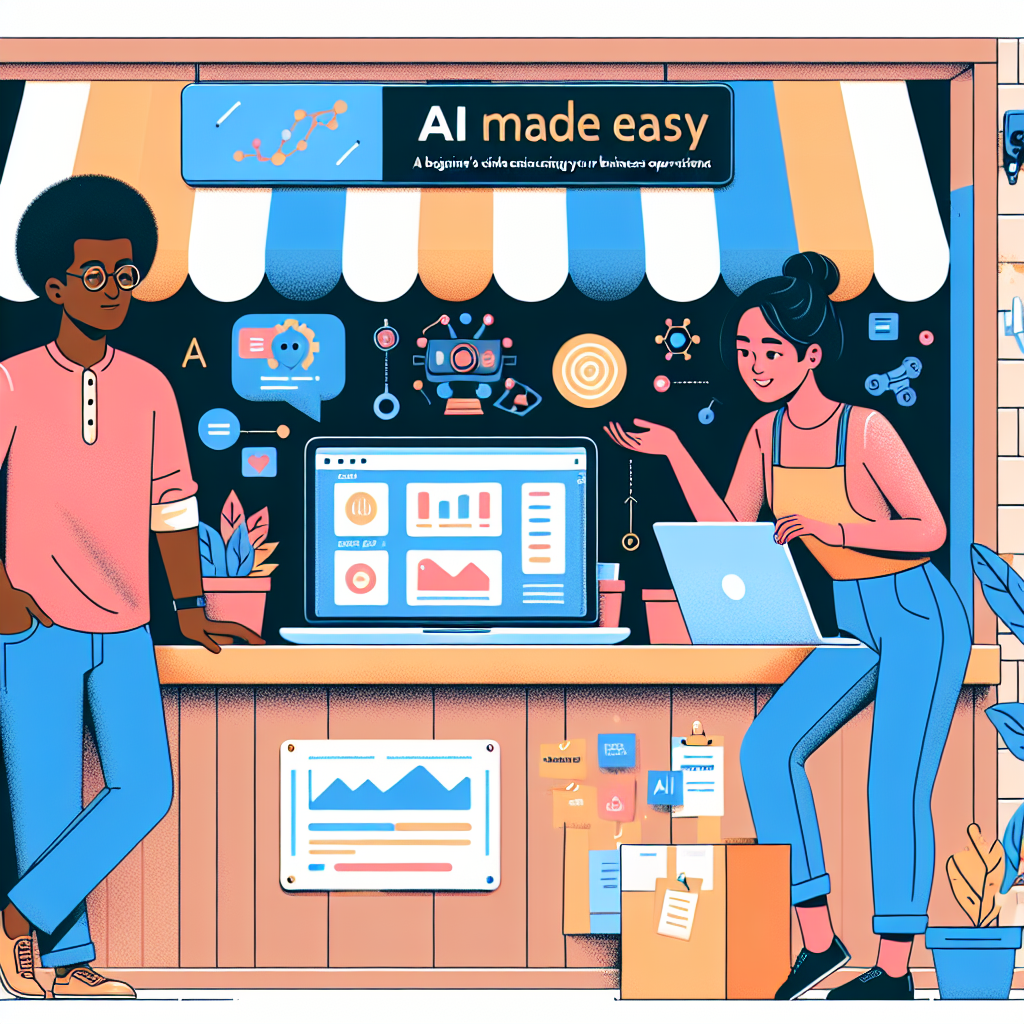
As small businesses continue to navigate an increasingly competitive and technologically-driven landscape, the incorporation of artificial intelligence (AI) has become not just beneficial, but essential. AI can streamline operations, enhance customer experiences, and boost productivity. This comprehensive guide will explore how small business owners can leverage AI technologies to achieve more with less, providing insights, tools, and strategies that even beginners can implement.
Table of Contents
- Understanding AI: What is Artificial Intelligence?
- Benefits of AI for Small Businesses
- Common AI Applications for Small Businesses
- Getting Started with AI
- Integrating AI into Your Business Operations
- Challenges of Implementing AI
- The Future of AI in Small Businesses
- Conclusion
Understanding AI: What is Artificial Intelligence?
Artificial Intelligence (AI) refers to the simulation of human intelligence in machines programmed to think and act like humans. This involves learning, reasoning, problem-solving, perception, and language understanding. For small businesses, AI can analyze vast amounts of data efficiently, making it easier to derive insights that inform better decision-making.
Types of AI
- Narrow AI: Specialized systems that perform specific tasks (e.g., chatbots).
- General AI: Theoretical concepts where machines possess the capability to understand or learn any intellectual task that a human can do.
For small businesses, narrow AI is primarily what will be utilized, offering a targeted approach to enhancing operations and customer interactions.
Benefits of AI for Small Businesses
Adopting AI in small business operations can yield a myriad of benefits:
- Increased Efficiency: Automation of repetitive tasks allows employees to focus on higher-value work.
- Enhanced Customer Experience: AI can provide tailored interactions and quick responses, improving customer satisfaction and retention.
- Cost Savings: By streamlining operations, AI can lead to significant cost reductions.
- Data-Driven Insights: AI tools can analyze customer behavior, making strategic decision-making grounded in data.
- Scalability: AI solutions can easily grow with your business, adapting to increasing demands without a proportional increase in resources.
Common AI Applications for Small Businesses
Customer Service Bots
Chatbots and virtual assistants are among the most popular AI applications. They can engage with customers in real-time, handling inquiries and issues round the clock. This not only improves response times but also frees up human resources for more complex tasks.
Key Features:
- 24/7 customer support
- Immediate responses and query handling
- Personalized interactions based on customer data
Data Analysis Tools
AI tools can sift through mountains of data to identify patterns, trends, and forecasts, which can guide business strategies. For example, small businesses can use AI platforms like Google Analytics with AI capabilities to analyze website traffic and customer behavior.
Key Features:
- Advanced analytics with predictive capabilities
- Visualization of data for easier decision-making
- Integration with existing business tools
Marketing Automation
From email campaigns to social media advertising, AI can optimize marketing strategies by analyzing consumer data to personalize messages and target specific demographics effectively. AI tools like HubSpot use algorithms to determine the best times to send emails or suggest content that will engage your audience.
Key Features:
- Segmentation of customer data for tailored marketing
- A/B testing to determine effective strategies
- Automation of repetitive marketing tasks
Getting Started with AI
Identifying Your Needs
Before diving into AI, it’s essential to assess your current operations to identify areas where AI can add value. Consider:
- What repetitive tasks can be automated?
- Are there gaps in customer engagement?
- Can data analysis improve your sales strategies?
Choosing the Right AI Tools
Choosing the right tools can significantly affect the success of your AI implementation. Look for:
- Ease of use: Tools should be user-friendly and intuitive.
- Scalability: Ensure the tool can grow with your business.
- Integration: Opt for solutions that integrate seamlessly with your existing systems.
Integrating AI into Your Business Operations
Training and Managing AI Systems
Once you’ve implemented an AI tool, proper management and training are vital. Regularly update the systems based on feedback and incorporate human oversight to ensure the AI aligns with business objectives.
Measuring Success
Define key performance indicators (KPIs) to assess the impact of AI on your operations. Common metrics include:
- Customer satisfaction ratings
- Time saved on tasks
- Increases in sales and lead generation
Regularly reviewing these metrics will help you refine your strategies and ensure continuous improvement.
Challenges of Implementing AI
While the benefits of AI are substantial, certain challenges can arise:
- Cost of Implementation: Initial costs can be high, especially for small businesses.
- Skill Gaps: Lack of technical knowledge among staff can hinder successful integration.
- Data Privacy and Security: Handling customer data responsibly is crucial to maintaining trust.
The Future of AI in Small Businesses
As AI technology continues to evolve, its potential for revolutionizing small businesses will increase. Anticipated trends include:
- Voice Search Optimization: As more consumers use voice search, optimizing for this will become essential.
- Machine Learning Advancements: Enhanced predictive modeling and automation will streamline operations further.
- Integration of AI Across Industries: As more industries adopt AI, small businesses must keep pace to remain competitive.
Conclusion
AI presents a myriad of opportunities for small businesses looking to enhance their operations. By understanding the landscape of AI, identifying specific needs, choosing appropriate tools, and integrating these technologies effectively, small business owners can unlock new efficiencies, improve customer satisfaction, and drive growth.
In an era where technology is progressing rapidly, those who embrace AI early stand to gain a competitive advantage. Start small, be strategic, and remember that the future of your business might just depend on how well you adapt to these innovative technologies.
By implementing the insights and tools outlined in this guide, small business owners can pave their way to a more efficient, customer-centered, and technologically advanced organization, ultimately leading to sustained growth and success.