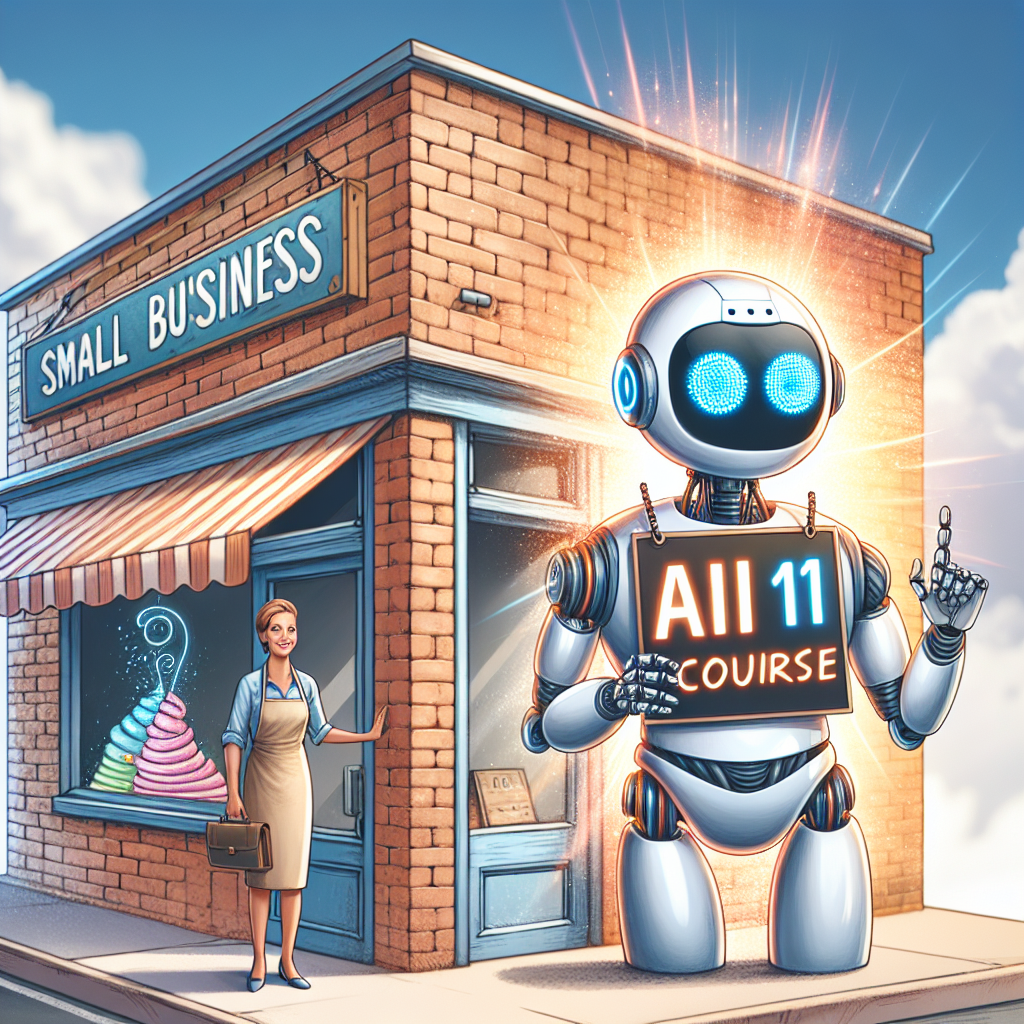
In the rapidly evolving landscape of technology, artificial intelligence (AI) has become a powerful tool for small business owners. Understanding AI is no longer a niche skill; it is essential for competing in today’s market. This comprehensive guide aims to provide you with all the knowledge you need to leverage AI in your small business effectively.
Table of Contents
- Introduction to AI
- Why Small Businesses Should Embrace AI
- Types of AI Technologies for Small Businesses
- 3.1 Chatbots
- 3.2 Predictive Analytics
- 3.3 Automation Tools
- Getting Started with AI: A Step-By-Step Approach
- 4.1 Identify Business Needs
- 4.2 Research AI Solutions
- 4.3 Choose the Right Tools
- 4.4 Implement and Evaluate
- Case Studies: AI in Action
- Challenges and Considerations
- Conclusion: The Future of AI in Small Business
- FAQs about AI for Small Businesses
Introduction to AI
Artificial Intelligence represents a paradigm shift in business operations. At its core, AI refers to machines and algorithms that simulate human intelligence, enabling them to perform tasks ranging from simple data entry to complex decision-making processes. Understanding the fundamentals of AI is crucial for small business owners who wish to stay competitive and innovative.
What is AI?
AI is a technology that enables computers and software to mimic human cognitive functions. This includes learning, reasoning, problem-solving, and understanding language. From voice assistants like Siri or Alexa to sophisticated software that can analyze big data, AI is permeating various sectors.
Why Small Businesses Should Embrace AI
AI is not just for tech giants; small businesses can also harness its capabilities. The benefits of implementing AI are numerous and can vastly change the way you operate your business.
Improving Efficiency
One of the key advantages of AI is its ability to automate mundane tasks. By freeing up your time, you can focus on more strategic activities that drive growth.
Enhancing Customer Experience
AI allows small businesses to offer personalized services, which can significantly enhance customer satisfaction. Tools like chatbots provide instant responses to customer inquiries, reducing the wait time for assistance.
Data-Driven Decisions
AI offers the ability to analyze large amounts of data quickly and accurately. This capability helps small business owners make informed decisions based on trends, predictions, and insights.
Types of AI Technologies for Small Businesses
Understanding the different types of AI technologies is crucial for selecting the right tools for your business.
Chatbots
Chatbots can handle customer inquiries on your website or social media platforms, offering 24/7 support. They can provide immediate answers to common questions, thus enhancing customer service and engagement.
Predictive Analytics
This technology analyzes historical data to forecast future outcomes, allowing you to tailor your marketing strategies, manage inventory, and optimize finances more effectively.
Automation Tools
These tools can help streamline various business processes, from managing email marketing campaigns to payroll processing. Automation minimizes human error and boosts operational efficiency.
Getting Started with AI: A Step-By-Step Approach
Embarking on your AI journey may seem daunting, but by following a structured approach, you can integrate these technologies into your business seamlessly.
Identify Business Needs
Assess your current operations to identify areas where AI could make the most impact. Ask yourself: What tasks consume the most time? Where do inefficiencies exist? This evaluation will help pinpoint suitable AI applications.
Research AI Solutions
Once you identify potential areas for improvement, research the available AI solutions tailored to your business needs. Look for industry-specific tools that can seamlessly integrate into your existing systems.
Choose the Right Tools
Evaluate various options based on functionality, ease of use, and cost. Always consider user reviews and case studies to understand how other businesses have benefited from these tools.
Implement and Evaluate
Roll out your chosen AI tools in phases. Monitor their performance through metrics such as time saved, customer satisfaction, and revenue growth, adjusting your strategies as necessary.
Case Studies: AI in Action
Chatbots for Customer Support
A small eCommerce business implemented a chatbot on its website. Within three months, they saw a 20% increase in customer satisfaction surveys and a significant decrease in inquiry-response time.
Predictive Analytics for Marketing
A boutique hotel utilized predictive analytics to understand customer booking patterns. By tailoring their marketing strategy accordingly, they saw a dramatic rise in direct bookings and customer loyalty.
Challenges and Considerations
While AI offers many benefits, it also comes with challenges. Issues such as data privacy, high initial costs, and the need for constant updates should be considered.
Data Privacy
Ensure compliance with data privacy regulations like GDPR. It’s essential to handle customer data responsibly to maintain trust.
High Initial Costs
Implementing AI can be expensive, particularly for small businesses with limited budgets. Carefully evaluate costs versus benefits when selecting tools.
Need for Continuous Learning
AI technologies are rapidly changing. Staying up-to-date through continuous learning and adapting your strategies is essential to maintaining a competitive edge.
Conclusion: The Future of AI in Small Business
AI is no longer a futuristic concept but a current necessity for small businesses aiming to grow and thrive in a competitive landscape. By understanding its capabilities and strategically implementing AI solutions, small business owners can drive efficiency, enhance customer satisfaction, and make informed decisions.
FAQs about AI for Small Businesses
Q: What is the most straightforward AI tool for small businesses?
A: Chatbots are among the simplest tools to implement. They can enhance customer service with minimal effort.
Q: How do I ensure data privacy when using AI?
A: Make sure to comply with data protection regulations and choose AI solutions that prioritize data security.
Q: Are AI tools expensive for small businesses?
A: Costs vary, but many affordable options cater specifically to small businesses. Always weigh upfront costs against potential long-term savings.
By embracing AI and continuously educating yourself and your team, you can pave the way for a more innovative and efficient future for your small business.