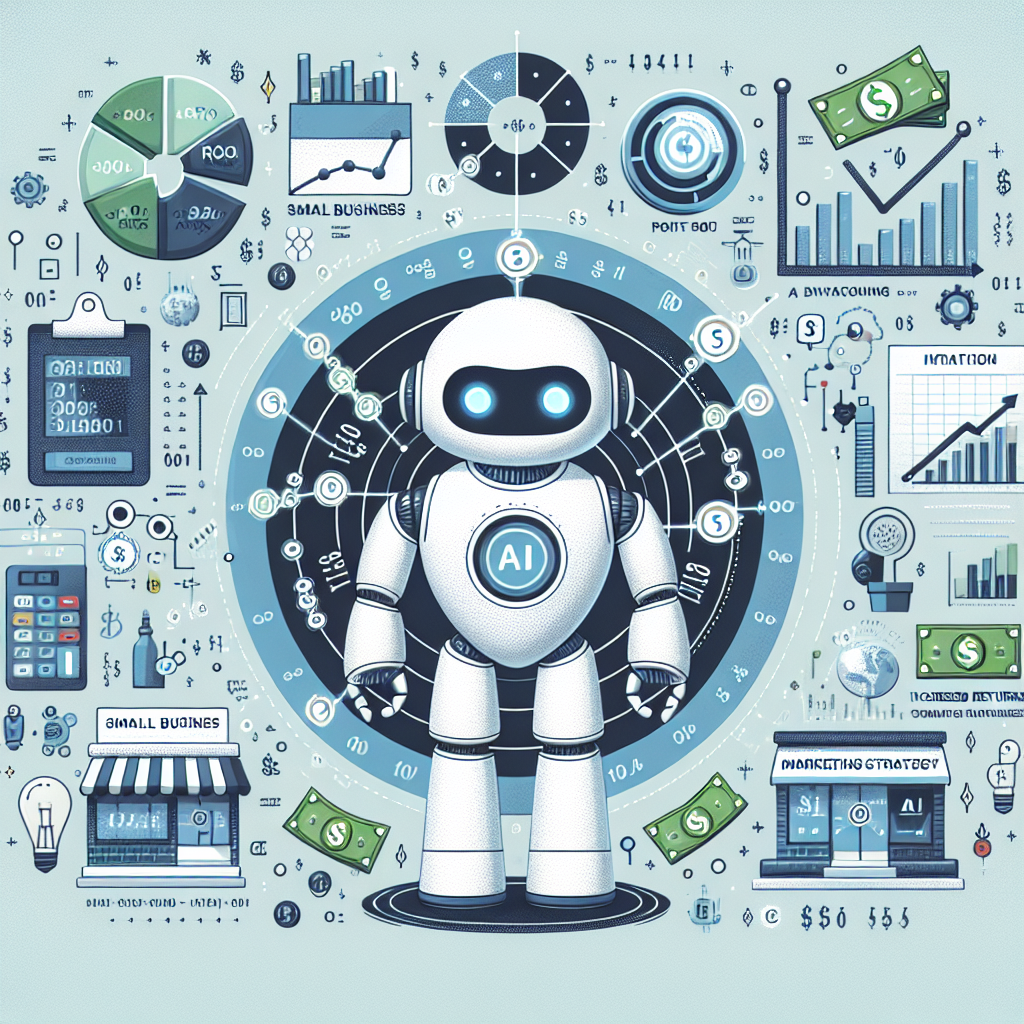
In today’s fast-paced digital landscape, small businesses must leverage every possible competitive advantage to succeed. One of the most promising tools at their disposal is Artificial Intelligence (AI). By integrating AI into marketing strategies, small businesses can optimize operations, increase engagement, and significantly enhance Return on Investment (ROI). In this article, we will explore how small businesses can utilize AI to streamline their marketing efforts and improve their bottom line.
Understanding AI and Its Importance in Marketing
What is AI?
Artificial Intelligence refers to the simulation of human intelligence in machines programmed to think and learn. AI can perform tasks that typically require human intelligence, such as problem-solving, understanding natural language, and recognizing patterns.
Why Use AI in Marketing?
- Data Processing: AI can analyze vast amounts of data quickly, providing insights that individual team members might miss.
- Efficiency: Automating routine tasks frees up time for marketers to focus on strategic initiatives.
- Personalization: AI can help create personalized marketing experiences, increasing customer satisfaction and loyalty.
- Cost-Effective: By optimizing campaigns and reducing manual labor, businesses can save money and allocate resources effectively.
The Intersection of AI and Marketing Strategies
AI can be integrated into various facets of marketing, enhancing effectiveness and engagement. Here are the primary areas where AI can elevate small business marketing.
1. Customer Insights and Analytics
AI tools can analyze customer data from multiple sources—web analytics, social media, and sales records—to create comprehensive profiles. Understanding what your customers want enables targeted marketing campaigns.
How to Use AI for Customer Insights
- Predictive Analysis: Anticipate customer behavior to tailor marketing efforts.
- Sentiment Analysis: Monitor social media and customer feedback to gauge public sentiment about your brand.
2. Content Creation and Optimization
Content is still king, but creating high-quality content can be time-consuming. AI can aid in generating ideas, drafting copy, and optimizing content for search engines.
AI Tools for Content Creation
- Natural Language Processing (NLP): Tools like GPT-3 can help generate blog posts, product descriptions, and more.
- SEO Optimization: AI tools can suggest keywords, optimize meta tags, and analyze SERP performance.
3. Personalized Marketing Campaigns
Personalization is essential for engaging consumers effectively. AI allows for deep segmentation, delivering tailored experiences to individual customers.
Benefits of AI-Driven Personalization
- Dynamic Content Serving: Show different content to users based on their behavior and preferences.
- Email Marketing: Personalize email campaigns to improve open and click rates significantly.
4. Enhanced Customer Service
Using chatbots powered by AI can serve small businesses by providing instant customer support, 24/7.
Implementing AI in Customer Service
- Chatbots: Offer immediate answers to FAQs, improving the customer experience.
- Voice Assistants: AI-driven voice technology can facilitate easier navigation and service requests.
5. Social Media Management
AI can analyze trends on social media, helping small businesses maximize their outreach.
How AI Can Enhance Social Media Marketing
- Automated Scheduling: Tools like Hootsuite use AI to determine the best times to post.
- Trend Prediction: AI algorithms can analyze data to predict trending topics.
Implementing AI in Your Marketing Strategy
Step 1: Identify Your Needs
Before you dive into AI, assess your current marketing strategy. Identify gaps and opportunities that AI can address, whether it’s data analysis, content creation, or customer support.
Step 2: Choose the Right AI Tools
Selecting the right tool is crucial. Here are some popular AI tools that can help small businesses:
- Google Analytics: For data analysis
- HubSpot: For marketing automation
- Canva: For content creation
- Chatfuel: For chatbot development
Step 3: Train Your Team
Implementing AI technology requires a change in mindset. Ensure your team is trained on how to use new tools effectively. Regular workshops and open dialogues about the benefits of AI will help ease the transition.
Step 4: Monitor and Evaluate Performance
Continuous monitoring is essential for evaluating the success of your AI-driven marketing campaigns. Utilize tools to track KPIs and adjust your strategies accordingly.
Case Studies: Small Businesses Successfully Using AI
Case Study 1: Local Bakery
A small bakery implemented a chatbot on their website to handle orders. The chatbot increased order processing efficiency by 50%, allowed for 24/7 customer interaction, and provided insights into customer preferences.
Case Study 2: Online Retailer
An online retailer used AI-powered analytics to profile customers, allowing for personalized email campaigns. They achieved a 30% increase in click-through rates and a 15% rise in overall sales within three months.
Challenges and Considerations
While AI offers several advantages, it’s not without challenges. Small businesses must consider:
- Cost: Some AI tools can be expensive. Start small to gauge effectiveness.
- Data Privacy: Ensure compliance with regulations like GDPR when handling customer data.
- Integration: Ensure any new AI tools can seamlessly integrate into your existing systems.
The Future of AI in Marketing
As AI technology evolves, its applications in marketing will only broaden. Expect to see advancements in machine learning and predictive analytics, enabling even deeper insights and more personalized marketing efforts.
Conclusion
Embracing AI in your small business marketing strategy is not just a trend; it is an essential avenue for optimizing operations and maximizing ROI. By understanding your customer base, automating routine tasks, and personalizing experiences, AI can transform both your marketing efforts and your business outcomes. As you embark on this journey, remember to start small, monitor your progress, and scale your efforts based on proven successes.
Frequently Asked Questions (FAQs)
1. What are some affordable AI tools for small businesses?
Options like HubSpot, Hootsuite, and Chatfuel offer various functionalities at various price points, including free tiers.
2. Is it necessary to have technical expertise to use AI in marketing?
While some technical knowledge can be beneficial, many AI tools are user-friendly and designed for marketers with varying levels of experience.
3. How does AI improve customer engagement?
By personalizing communications and interactions based on data-driven insights, AI can significantly enhance customer experience and satisfaction.
4. Can AI help with my brand’s SEO efforts?
Absolutely! AI can analyze keyword performance, suggest improvements, and even help in content optimization, leading to better search rankings.
5. What should I look for when selecting an AI tool?
Evaluate the features, ease of use, integration capabilities, customer support, and reviews from other users to determine the best fit for your business needs.
By following the strategies outlined in this guide, small businesses can harness the power of AI to boost their marketing ROI, ensuring long-term success and sustainability.