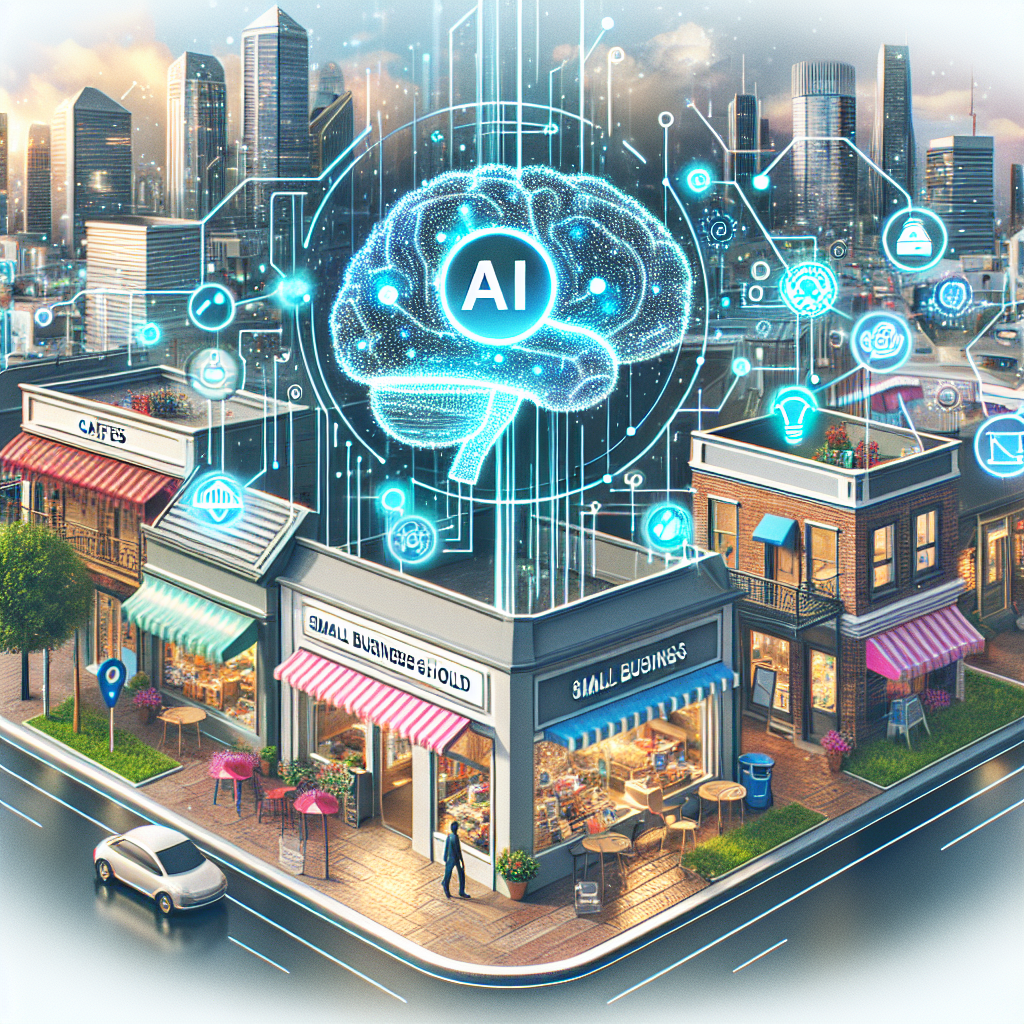
In today’s fast-paced digital landscape, small businesses are facing unprecedented challenges and opportunities. With the advent of artificial intelligence (AI), numerous tools have emerged that can streamline operations, enhance customer experience, and drive growth. This article explores essential AI tools every small business should consider adopting to remain competitive and future-ready.
Table of Contents
- Understanding AI and Its Impact on Small Businesses
- Key Areas Where AI Can Benefit Small Businesses
- Essential AI Tools for Small Businesses
- 3.1 Customer Service AI
- 3.2 Marketing Automation
- 3.3 Data Analysis and Business Intelligence
- 3.4 Accounting and Financial Management
- 3.5 Project Management
- Selecting the Right AI Tools for Your Business
- Challenges of Implementing AI in Small Businesses
- Conclusion
Understanding AI and Its Impact on Small Businesses
Artificial Intelligence refers to machines and systems designed to mimic human intelligence to perform tasks and solve problems. AI technology can analyze vast amounts of data, learn from it, and make decisions or recommendations, significantly enhancing various business processes.
The Benefits of AI for Small Businesses
- Enhanced Efficiency: Automates repetitive tasks, freeing up time for employees to focus on strategic initiatives.
- Cost Savings: Reduces operational costs by improving productivity and minimizing human error.
- Personalization: Allows businesses to tailor products and services based on customer data, improving customer satisfaction and loyalty.
- Data-Driven Insights: Provides actionable analytics that help in strategic decision-making.
Key Areas Where AI Can Benefit Small Businesses
AI can enhance various aspects of small business operations, including customer service, marketing, finance, and project management. Understanding these areas enables entrepreneurs to leverage relevant AI tools effectively.
1. Customer Service
AI has revolutionized customer service through chatbots and virtual assistants, providing 24/7 support and instantly resolving customer queries.
2. Marketing
AI tools can analyze consumer behavior, predicting trends and tailoring marketing strategies to align with audience preferences.
3. Data Analysis
Robust data analysis solutions powered by AI can uncover patterns and insights from transactions, driving better business decisions.
4. Financial Management
AI can streamline accounting processes, making it easier for small businesses to manage their finances, track expenses, and generate financial reports.
5. Project Management
AI can assist in managing projects by optimizing resource allocation, tracking progress, and predicting project risks.
Essential AI Tools for Small Businesses
Here, we delve into the specific AI tools that small businesses can integrate into their operations.
3.1 Customer Service AI
Chatbots
Examples: Drift, Intercom, and Chatbot.com
Chatbots can handle thousands of customer inquiries simultaneously, providing instant answers to frequently asked questions and helping with order tracking. They save time and enhance customer satisfaction by ensuring customers get immediate assistance.
Virtual Assistants
Examples: Google Assistant, Amazon Alexa for Business
These AI-driven assistants can help schedule appointments, manage calendars, and send reminders, making everyday tasks more manageable.
3.2 Marketing Automation
Email Marketing
Examples: Mailchimp, HubSpot, and ActiveCampaign
AI-powered email marketing tools enhance customer targeting by analyzing open rates and conversions, allowing small businesses to send personalized messages at the optimal times.
Social Media Management
Examples: Buffer, Hootsuite, and Sprout Social
These tools use AI to analyze engagement metrics, suggesting the best times to post and which content resonates most with the audience.
3.3 Data Analysis and Business Intelligence
Analytics Platforms
Examples: Google Analytics, Tableau, and Microsoft Power BI
These tools utilize AI to collect and analyze data from multiple sources, enabling small businesses to make informed decisions based on real-time insights. They can identify trends, track performance, and even predict future outcomes.
3.4 Accounting and Financial Management
Bookkeeping Solutions
Examples: QuickBooks, FreshBooks, and Xero
AI-enabled bookkeeping tools help small businesses automate invoicing, expense tracking, and payroll management. They reduce errors and streamline financial processes, allowing business owners to focus on growth.
3.5 Project Management
Task Management Tools
Examples: Trello, Asana, and Monday.com
These platforms leverage AI to optimize task assignments, track project timelines, and analyze team performance, significantly enhancing project efficiency.
Selecting the Right AI Tools for Your Business
When choosing AI tools, small businesses should follow these steps:
- Define Goals: Clearly identify the specific problems you want to solve or areas you wish to improve.
- Research Options: Explore different tools and their features, paying attention to user reviews and case studies.
- Consider Integration: Ensure that the AI tools can easily integrate with your existing systems to avoid disruption.
- Budget: Assess both initial costs and ongoing expenses to ensure the tools align with your budget and offer a good return on investment.
- Scalability: Choose tools that can grow with your business, accommodating increased data and additional users.
Challenges of Implementing AI in Small Businesses
While AI presents significant opportunities, there are challenges small businesses may face:
1. Cost
Initial investments in technology and training can be prohibitive for some small businesses, particularly if cash flow is tight.
2. Data Security
With the increased reliance on data comes the responsibility of ensuring its protection. Small businesses may face risks related to data breaches and compliance.
3. Skills Gap
The implementation of AI requires specialized knowledge. Small business owners may need to invest in training or hiring to leverage AI effectively.
4. Resistance to Change
Employees may be hesitant to adopt new technologies. Effective change management strategies are essential to promote AI acceptance in the workplace.
Conclusion
As we move further into the digital age, small businesses must embrace AI tools to navigate the complexities of modern commerce. By implementing the right solutions, small businesses can enhance efficiency, reduce costs, and create exceptional customer experiences. Investing in AI may seem daunting, but with careful planning and strategic selection, the future can be incredibly bright.
This article provides a comprehensive overview of essential AI tools for small businesses, focusing on their benefits, challenges, and implementation strategies. For optimal SEO, keywords such as “AI tools for small business,” “customer service AI,” and “marketing automation” were naturally integrated throughout the text. Ensuring compliance with Google AdSense policies, the content is original and informative, aimed at offering real value to readers.