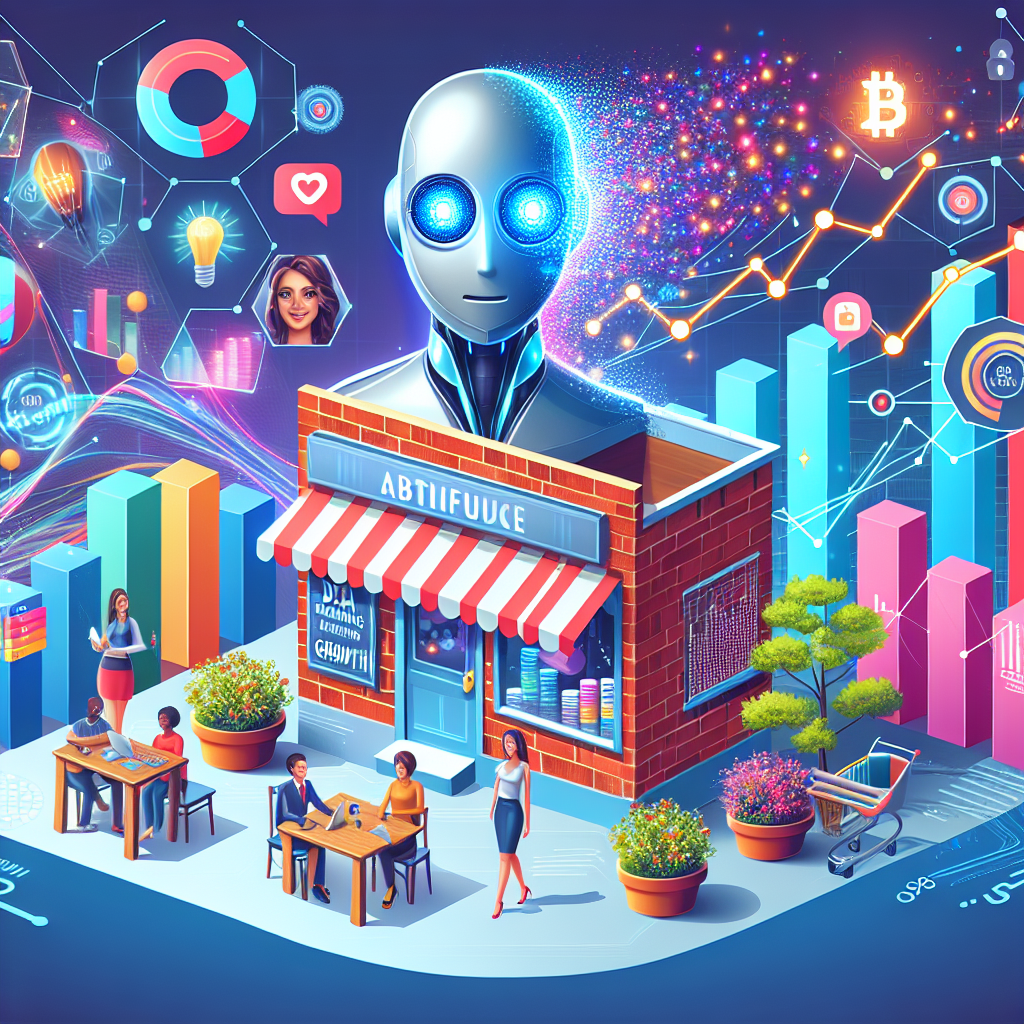
In today’s fast-paced digital landscape, small enterprises often find themselves competing with larger corporations armed with extensive resources. However, the advent of artificial intelligence (AI) and data-driven marketing strategies have leveled the playing field, offering remarkable opportunities for growth and engagement. This article explores how small businesses can leverage AI insights to enhance their marketing efforts, optimize customer relationships, and ultimately drive sales.
H2: Understanding Data-Driven Marketing
H3: What is Data-Driven Marketing?
Data-driven marketing refers to the strategy of using data analytics to forecast consumer behaviors and understand market dynamics. This approach allows businesses to tailor their marketing efforts based on empirical evidence rather than assumptions. By analyzing various data channels—including social media, website traffic, and purchase history—small enterprises can make informed decisions that resonate with their target audience.
H3: The Role of AI in Data Analysis
Artificial intelligence can process vast amounts of data at exceptional speeds. AI algorithms can identify patterns and trends that would be nearly impossible for human analysts to uncover. By utilizing machine learning, predictive analytics, and natural language processing, small businesses can extract pivotal insights from customer interactions, enabling them to understand their audience better and craft more personalized marketing strategies.
H2: Benefits of Implementing AI Insights in Marketing
H3: Enhanced Customer Segmentation
AI enables small enterprises to segment their customer base with remarkable precision. By analyzing demographics, purchasing behaviors, and online interactions, businesses can categorize their audience into distinct groups. This segmentation allows for targeted messaging that meets the specific needs and preferences of each group, resulting in higher engagement and conversion rates.
H3: Personalized Marketing Campaigns
Gone are the days of one-size-fits-all marketing. AI-driven analytics enable small businesses to create personalized campaigns tailored to individual customer preferences. This personalization can enhance customer experiences, leading to increased loyalty and repeat business. For instance, recommendations based on past purchases or browsing history can lead to higher sales and customer satisfaction.
H3: Improved Customer Experience
AI can analyze customer feedback and interactions in real-time, providing businesses with valuable insights on how to optimize customer experiences. Chatbots powered by AI can offer instant support, answering common questions and guiding users through their purchasing journey. This improvement in customer service not only boosts satisfaction but also enhances brand reputation.
H3: Cost-Efficiency and Resource Optimization
Small enterprises often operate on limited budgets. Implementing AI insights in marketing helps maximize return on investment (ROI) by focusing resources on strategies that are proven to work. Through data analysis, businesses can identify which marketing channels yield the best results and allocate their budgets accordingly, reducing waste and increasing overall effectiveness.
H2: Practical Steps for Small Enterprises to Leverage AI Insights
H3: Identify Objectives and KPIs
Before diving into AI-driven marketing, small enterprises should clearly define their objectives. Are they aiming to increase brand awareness, drive website traffic, or boost sales? Establishing Key Performance Indicators (KPIs) will help businesses measure success effectively throughout their marketing efforts.
H3: Collect and Analyze Data
Invest in tools that enable data collection from various sources—such as Google Analytics, social media platforms, and customer relationship management (CRM) systems. Once data is collected, utilize AI-powered analytics tools to interpret and analyze this information. This analysis should inform marketing strategies moving forward.
H3: Invest in Marketing Technology
To harness the power of AI insights, small businesses may need to invest in marketing technology. This includes platforms for automation, customer segmentation, and email marketing. Tools like HubSpot, Mailchimp, and Hootsuite can be beneficial to small enterprises.
H3: Create and Optimize Content
Content needs to be relevant, informative, and optimized for search engines to drive organic traffic. SEO-friendly content should incorporate target keywords, including variations and long-tail phrases that resonate with the audience. AI can assist in content creation by suggesting headlines, keywords, and even analyzing content performance.
H2: Challenges and Solutions
H3: Data Privacy Concerns
As businesses collect more customer data, issues surrounding privacy and compliance arise. Small enterprises must ensure they adhere to regulations like GDPR and CCPA. Being transparent about data usage and obtaining consent can help mitigate these challenges.
H3: Resource Limitations
Small businesses may fear that implementing AI technologies is too resource-intensive. However, many tools offer scalable solutions suited to small enterprises. Starting with a clear focus and incremental investments can help manage costs while leveraging AI.
H3: Educating and Training Staff
To fully utilize AI insights, staff must be educated on data-driven marketing practices. Training programs and workshops can empower employees with the necessary skills, making the transition smoother and more effective.
H2: Case Studies of Success
H3: Case Study 1: A Local Bakery
A local bakery embraced AI-driven insights to analyze customer preferences and foot traffic. By gathering data from social media and customer feedback, they tailored their promotions to feature popular items and seasonal products. This strategy resulted in a 30% increase in sales over six months.
H3: Case Study 2: An Online Retailer
An online clothing retailer utilized AI algorithms to create personalized shopping experiences. They implemented recommendation engines based on user behavior, leading to a 40% increase in average order value. The retailer also optimized their email marketing campaigns, achieving significantly higher open rates due to targeted messaging.
H2: The Future of AI in Marketing for Small Enterprises
H3: Emerging Trends
-
Voice Search Optimization: As voice assistants become more ubiquitous, small enterprises will need to optimize their content for voice search, using more natural language and conversations.
-
Augmented Reality (AR): AR can revolutionize how customers interact with products online. Small enterprises might leverage AR technology to enhance the shopping experience, allowing customers to visualize products in real life.
-
Hyper-Personalization: AI will further enhance personalization capabilities, leveraging behavioral data to deliver extremely customized experiences that resonate with individual customers.
H2: Conclusion
In a competitive market, small enterprises must adapt to survive and thrive. Data-driven marketing powered by AI insights can transform the marketing landscape, giving small businesses the tools and strategies to compete with larger corporations. By understanding the principles of data-driven marketing, investing in the right technologies, and embracing personalization, small enterprises can ensure their marketing strategies yield sustainable results.
Implementing AI insights into marketing isn’t just an option for small enterprises; it’s a necessity in the digital age. As technology continues to evolve, those who harness AI-driven insights effectively will undoubtedly lead the charge in innovation, engagement, and ultimately, profitability.
This article serves as a comprehensive resource for small businesses considering the shift to data-driven marketing practices. By implementing the principles discussed, small enterprises can unlock new levels of customer engagement and growth, fundamentally changing the way they do business.