Introduction
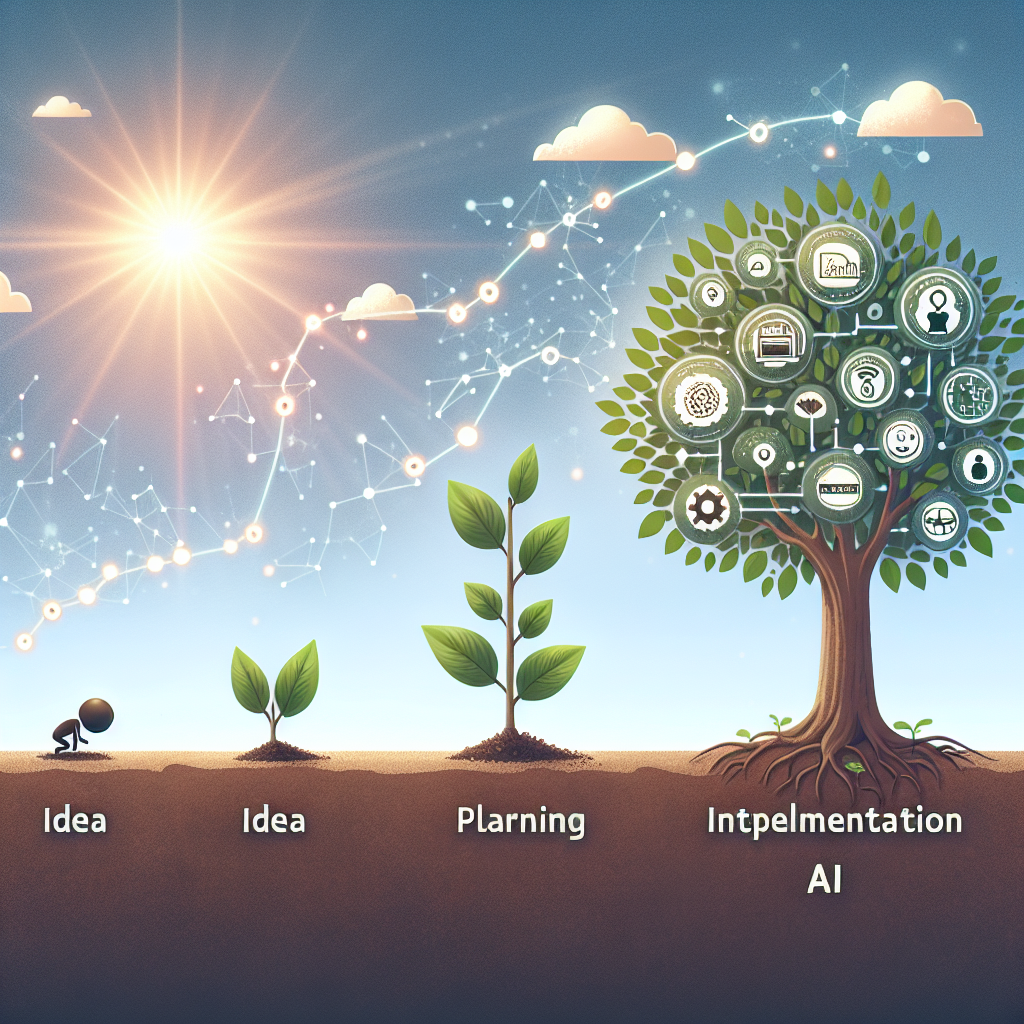
In the rapidly evolving digital landscape, small businesses are increasingly turning to artificial intelligence (AI) to streamline operations, enhance customer experiences, and stay competitive. However, the journey from idea to implementation can seem daunting. This comprehensive guide will demystify the process of integrating AI into your small business, providing actionable steps, insights, and best practices.
Understanding AI: What Small Businesses Need to Know
What is AI?
Artificial Intelligence (AI) refers to the simulation of human intelligence processes by machines, especially computer systems. This encompasses learning, reasoning, problem-solving, perception, and language understanding. AI can be broadly categorized into two types:
- Narrow AI: Designed to perform a narrow task (e.g., facial recognition or internet searches).
- General AI: A theoretical form of AI that can understand and learn any intellectual task that a human can.
Why Small Businesses Should Consider AI
-
Increased Efficiency: AI can automate routine tasks, reducing the time spent on repetitive processes.
-
Enhanced Customer Experience: With AI chatbots and personalized recommendation systems, small businesses can improve customer engagement.
-
Data-Driven Decision Making: AI analyzes large datasets faster and more accurately, helping businesses make informed decisions.
-
Cost Reduction: Automating processes can lead to significant cost savings over time.
Identifying Opportunities for AI Integration
Assessing Business Needs
Before you dive into AI implementation, it’s crucial to assess your unique business needs and objectives. Consider the following:
-
Pain Points: Identify bottlenecks in your operations that could benefit from automation.
-
Customer Interactions: Analyze how customers engage with your business and where AI could enhance their experience.
-
Data Utilization: Evaluate how you’re currently using data and opportunities to leverage AI for insights.
Popular AI Applications for Small Businesses
Here are some areas where AI can be effectively integrated:
-
Customer Service: Implement chatbots to handle frequently asked questions.
-
Marketing: Use AI-driven analytics tools to optimize marketing campaigns.
-
Sales: Personalize sales approaches through AI-driven recommendations.
-
Inventory Management: Predictive analytics can help with stock management.
Developing an AI Strategy
Setting Clear Goals
-
Define Objectives: Set quantifiable goals for what you want to achieve with AI (e.g., reduce customer service response time by 50%).
-
Budgeting: Determine a budget for AI implementation, including software, training, and ongoing maintenance costs.
Choosing the Right AI Tools
-
Research Tools: Investigate various AI tools that fit your budget and needs, such as:
- Chatbot software (e.g., Intercom, Zendesk)
- Marketing automation tools (e.g., HubSpot, Mailchimp)
- Data analytics platforms (e.g., Google Analytics, Tableau)
-
Evaluate Vendors: Look for vendors with a proven track record and reliable customer support.
Skills and Training
No AI implementation can succeed without adequate training. Consider the following:
-
Upskilling Staff: Provide training sessions on AI tools or hire new employees with AI expertise.
-
Cross-Department Collaboration: Ensure different teams (like IT and marketing) communicate effectively about AI initiatives.
Implementing AI: Step-by-Step Process
Step 1: Pilot the AI Solution
Start with a pilot program to test the AI tool in a controlled environment.
Benefits of Pilot Programs
- Cost-Efficient: Focuses resources on a limited scope to test effectiveness.
- Feedback Loop: Gathers insights to refine the process before full-scale implementation.
Step 2: Data Collection and Preparation
AI thrives on data. Clean, well-organized data is crucial for effective AI training.
-
Data Cleaning: Remove inaccuracies and duplicates from your dataset.
-
Data Structuring: Organize your data so that AI algorithms can easily process it.
Step 3: Deploy the AI Solution
Once the pilot shows promising results, it’s time for full deployment.
-
Integration: Ensure the AI tool integrates smoothly with existing systems.
-
Monitoring: Track performance metrics to measure success against your set goals.
Step 4: Evaluate and Iterate
The AI journey doesn’t end with implementation. Continuous evaluation is essential.
-
Performance Metrics: Regularly analyze how the AI tool is performing against the set objectives.
-
User Feedback: Solicit feedback from employees and customers to identify areas for improvement.
-
Make Adjustments: Be flexible and adaptive. AI is a continually evolving field, and staying updated with the latest advancements is vital.
Overcoming Challenges in AI Implementation
Common Barriers
-
Cost and Expertise: Smaller budgets may limit access to advanced AI solutions. Consider open-source alternatives or scalable tools that grow with your needs.
-
Change Management: Resistance to change from employees can hinder AI adoption. Foster a culture of openness about AI benefits.
-
Data Privacy: Be transparent with customers about their data usage to maintain trust and comply with regulations like GDPR.
The Future of AI in Small Business
Trends to Watch
-
No-Code AI Solutions: The rise of user-friendly platforms that allow non-technical users to implement AI solutions.
-
Predictive Analytics: Greater emphasis on using AI for forecast modeling and trend analysis.
-
Increased Personalization: AI tools will evolve to provide even more tailored customer experiences.
Conclusion
Incorporating AI into your small business can appear challenging at first. However, with a clear strategy, the right tools, and continuous evaluation, you can effectively harness the power of AI to enhance operations and elevate customer experiences. As AI technology continues to evolve, early adopters will find themselves at a significant advantage in the marketplace.
Final Words
As small businesses navigate the complexities of AI, remember that the journey is as important as the destination. Approach each step with careful planning, openness to feedback, and readiness to adapt. This will not only simplify the transition but also position your business for success in the future.
By following this in-depth guide, small business owners can confidently transition from idea to implementation of AI technologies, ensuring that they remain competitive and responsive to customer needs in an increasingly tech-driven world.