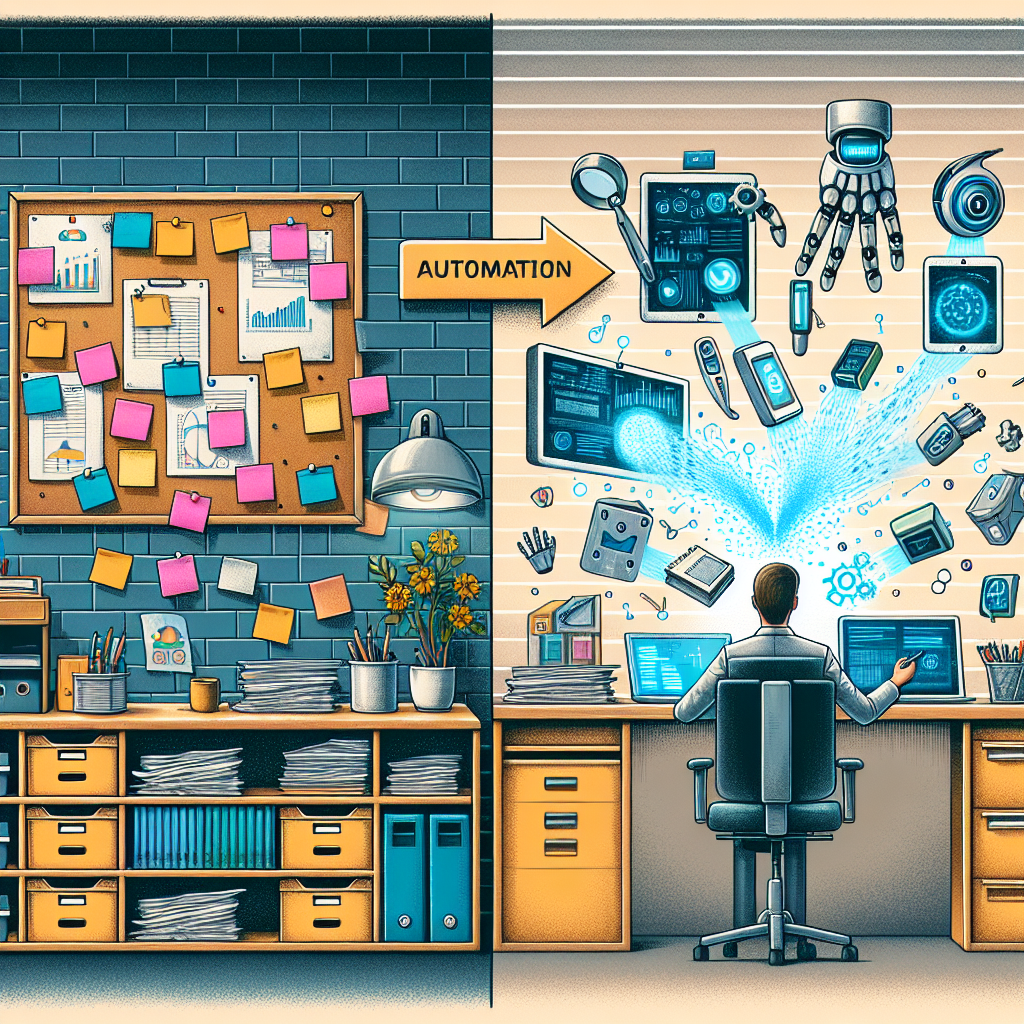
As businesses increasingly seek efficiencies, artificial intelligence (AI) is becoming an indispensable ally in transforming workflows. From organizational tasks to comprehensive automation solutions, AI tools are revolutionizing how teams operate. This article explores how AI technologies enhance productivity, streamline processes, and ultimately, transform workflows.
Table of Contents
- Understanding AI in the Workplace
- The Importance of Workflow Automation
- Key AI Tools for Organizing Workflows
- Advanced AI Automation Tools
- The Benefits of Implementing AI Tools
- Challenges and Considerations
- Best Practices for Implementing AI Tools
- Future Trends in AI and Workflow Automation
- Conclusion
Understanding AI in the Workplace
What is AI?
Artificial Intelligence refers to the simulation of human intelligence in machines that are programmed to think and learn. In the workplace context, AI tools can analyze data, recognize patterns, and automate routine tasks, significantly improving efficiency.
The Role of AI in Work Processes
AI is changing how businesses manage operations. Its capabilities allow for real-time analysis, predictive modeling, and automation of repetitive tasks. From customer service chatbots to sophisticated project management tools, AI enables organizations to focus on strategic initiatives rather than mundane tasks.
The Importance of Workflow Automation
Benefits of Workflow Automation
Workflow automation involves the use of technology to automate complex business processes and functions beyond individual tasks. This offers several advantages:
- Efficiency: Reduces time spent on repetitive tasks.
- Cost-effectiveness: Lower operational costs by minimizing human error and optimizing resources.
- Scalability: Enables businesses to scale without proportionately increasing their workforce.
How AI Drives Workflow Automation
AI algorithms analyze data to automate workflows, making them smoother and more efficient. Intelligent automation combines AI with traditional automation to enhance processes further, allowing businesses to achieve greater levels of productivity and accuracy.
Key AI Tools for Organizing Workflows
Task Management Tools
Modern task management tools leverage AI to help teams prioritize and manage workloads effectively. Some of the most popular tools include:
- Trello: Uses AI to suggest task assignments based on team performance data.
- Asana: Offers intelligent project management suggestions based on patterns in tasks and deadlines.
- ClickUp: Features automation options that save time on administrative tasks.
Communication Tools
Effective communication is critical to any successful organization. AI-powered communication tools enhance collaboration by providing real-time translations, summarizing discussions, and even scheduling meetings automatically. Examples include:
- Slack: Integrates with various applications to streamline communication and document sharing.
- Microsoft Teams: Features AI tools for task assignments and automated meeting notes.
- Zoom: Offers real-time transcriptions, making meetings more productive.
Data Management Solutions
Data overload is a common challenge for organizations. AI tools can assist in data management by providing insights that guide decision-making. Some popular tools in this area include:
- Tableau: Uses AI to analyze data visualizations automatically.
- IBM Watson: Offers predictive analytics and data insights.
- Google Analytics: Provides real-time data insights that help businesses adapt quickly.
Advanced AI Automation Tools
Robotic Process Automation (RPA)
RPA is a technology that uses AI to automate highly repetitive tasks. This includes procedures like data entry, processing transactions, and even responding to customer queries. The benefits of RPA include:
- Improved accuracy: Reduced human errors in repetitive tasks.
- Cost efficiency: Decreased need for human labor on routine tasks.
AI-Driven Analytics
AI-driven analytics tools use machine learning algorithms to process large datasets quickly, providing actionable insights. They help organizations make informed decisions based on real-time data analysis.
Examples include:
- Google Cloud AI: Offers extensive analytics services for data-driven decision-making.
- Microsoft Azure: Combines AI capabilities with business analytics to enhance decision-making processes.
Custom AI Solutions
Many organizations opt for bespoke AI solutions tailored to their specific workflows. These solutions can replace entire processes or enhance existing ones, offering significant improvements in efficiency and effectiveness.
The Benefits of Implementing AI Tools
Integrating AI into workflows can lead to tangible benefits such as:
- Enhanced Efficiency: Automated processes improve speed and reduce lag times.
- Increased Accuracy: AI minimizes human errors, resulting in higher quality output.
- Improved Focus: Teams can dedicate more time to strategic planning and creative thinking rather than routine tasks.
Challenges and Considerations
Potential Pitfalls
While the advantages of AI tools are compelling, several challenges need addressing:
- Initial Costs: Implementing AI technologies often requires significant upfront investment.
- Change Management: Employees may resist transitioning to automated systems due to fear of job loss or adaptability issues.
- Data Privacy Concerns: With AI processing large amounts of data, organizations must ensure they comply with data protection regulations.
Best Practices for Implementing AI Tools
Understand Your Needs
Before implementing AI solutions, clearly define your organization’s specific needs and objectives. This ensures you choose tools that address your unique challenges effectively.
Start Small
Begin with pilot projects before fully integrating AI solutions. This allows your organization to assess the effectiveness of the tools and make necessary adjustments.
Train Your Team
Invest in training programs to familiarize your team with new AI tools. This will ease the transition and foster a culture that embraces technology.
Monitor and Optimize
Continuously monitor the performance of AI tools and gather feedback from users. Regularly optimize processes to ensure maximum effectiveness and efficiency.
Future Trends in AI and Workflow Automation
As technology evolves, so too will the capabilities of AI tools. Some key trends include:
- Increased Integration: AI tools will continue to integrate more deeply with existing software systems, offering seamless user experiences.
- Enhanced Personalization: Expect AI solutions to become more tailored to individual user needs.
- Greater Emphasis on Ethical AI: Organizations will focus more on developing ethical AI algorithms that promote fairness and transparency.
Conclusion
In conclusion, the transition from organization to automation through AI tools can significantly enhance workflows. By adopting these technologies, businesses can improve efficiency, minimize errors, and allocate resources more effectively. While challenges exist, the benefits far outweigh the hurdles, positioning those who embrace AI at an advantage in the competitive landscape. As technology continues to evolve, organizations that prioritize AI integration will likely lead the market and inspire innovation across their industries.
By embracing AI tools for workflow organization and automation, businesses can set themselves up for a future that is not only productive but also adaptive to the ever-changing landscape of work. Engage with these advanced technologies today and transform the way you operate!