Introduction
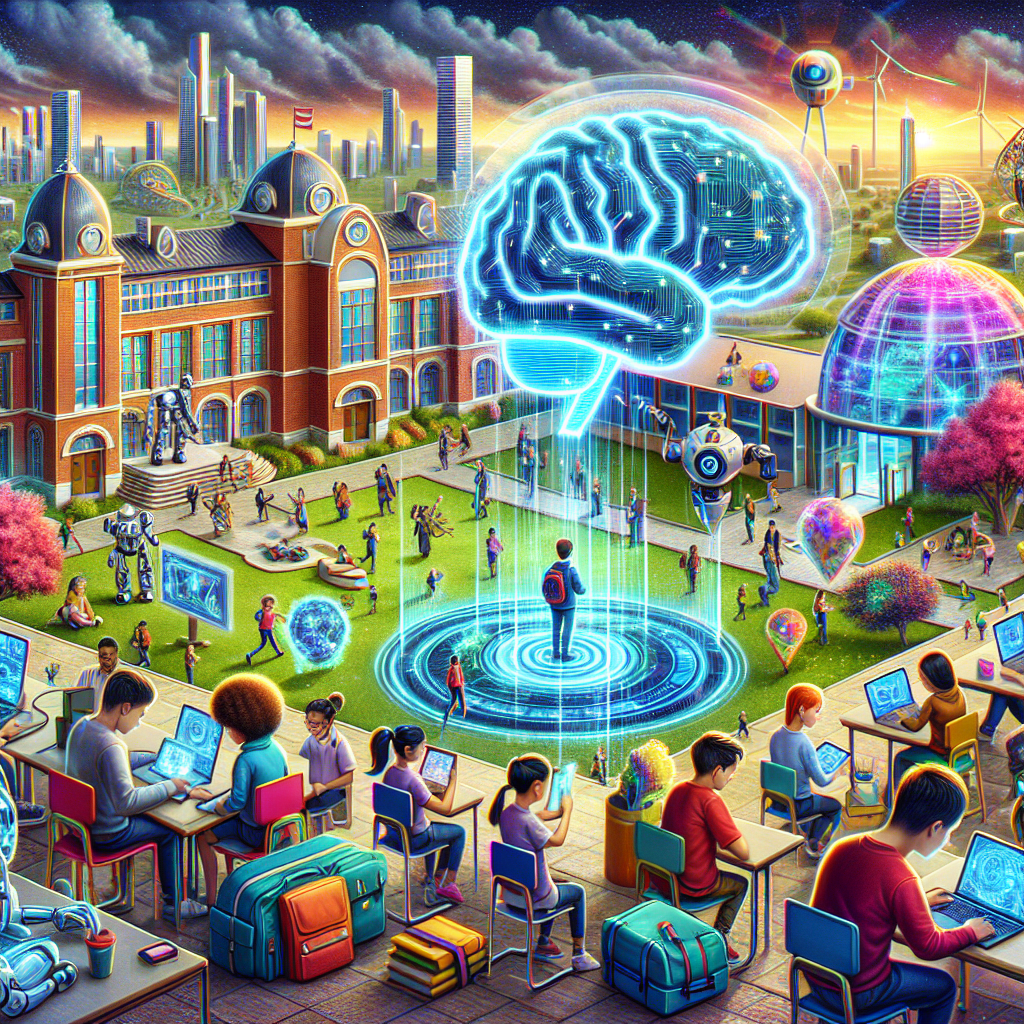
In the 21st century, the landscape of education is undergoing a profound transformation. As artificial intelligence (AI) continues to reshape industries, society, and everyday life, preparing future generations for an AI-driven world has become paramount. This article explores the educational revolution, examining the importance of integrating AI literacy in the curriculum, redefining teaching methodologies, and preparing students for a rapidly changing job market.
The Importance of AI Literacy
What is AI Literacy?
AI literacy involves understanding the basic concepts of artificial intelligence, its functionalities, and its implications on society. As educators strive to equip students with essential skills for the future, fostering AI literacy stands out as a critical component.
Why AI Literacy Matters
-
Relevance in the Job Market
- As more organizations implement AI tools, employees who are AI-literate are more likely to be employed. Familiarity with AI technologies can enhance problem-solving skills and decision-making capabilities.
-
Critical Thinking and Ethics
- Understanding AI also includes grappling with ethical questions surrounding bias, privacy, and representation in AI algorithms. A well-rounded education fosters critical thinking in these areas.
-
Interdisciplinary Approach
- AI integrates multiple fields, including computer science, mathematics, and social sciences. Understanding AI encourages interdisciplinary learning, making education holistic.
Redefining Curriculum for an AI Era
Emphasizing STEAM Education
A shift from traditional STEM (Science, Technology, Engineering, Math) to STEAM (which includes Arts) is necessary. This approach stimulates creativity and innovation, two crucial elements in leveraging AI effectively.
Why STEAM is Vital
-
Creative Problem Solving
- AI requires innovative solutions, and incorporating art elements in education promotes creativity.
-
Interdisciplinary Learning
- Combining arts with technical education equips students to think outside the box and apply AI in various contexts.
Inclusion of AI Courses
Schools should introduce AI-focused courses that cover basics like machine learning, neural networks, and natural language processing.
Curriculum Development Strategies
-
Project-Based Learning
Engaging students in project-based tasks enhances practical experience with AI tools. -
Collaboration with Tech Companies
Partnering with AI firms can provide resources, mentorship, and real-world insights.
Lifelong Learning Mindset
Fostering a culture of lifelong learning prepares students to continually adapt in an ever-changing job market driven by AI advancements.
Teaching Methodologies: A Shift in Approach
Personalized Learning
AI technology can enable personalized learning experiences that cater to individual student needs, learning paces, and styles.
Benefits of Personalized Learning
-
Enhanced Engagement
- Tailored educational experiences keep students more engaged and motivated to learn.
-
Adaptive Learning Tools
- AI-driven platforms can assess students’ strengths and weaknesses, adjusting materials accordingly.
Enhanced Teacher-Student Interaction
AI can also support teachers, freeing them from administrative burdens, allowing them to focus more on student engagement.
Teacher Training
Educators need training in AI tools so they can guide students effectively in an AI-centric curriculum.
Preparing for Emerging Job Markets
Understanding AI-Related Professions
As AI transforms industries, students must be informed about new career opportunities. Professions such as AI ethics consultants, data scientists, and machine learning engineers are on the rise.
Skills for the Future
-
Analytical Thinking
- Being able to analyze data and draw insights is crucial.
-
Tech Savviness
- Students must be comfortable with technology and open to new tools.
-
Collaboration
- As AI projects often require teamwork between various experts, collaborative skills are vital.
Entrepreneurship and Innovation
Fostering an entrepreneurial mindset among students will prepare them to create their initiatives in an AI-driven landscape.
Challenges in Implementing Educational Reforms
Infrastructure and Resources
Many schools lack the necessary resources to provide quality AI education. Investment in technology and training is crucial for success.
Teacher Training and Support
Educator preparedness is imperative. Professional development must be a continuous process, integrating the latest advancements in AI and educational methodologies.
Equity in Education
Ensuring equitable access to AI education is a challenge that schools must address. Technology and internet access disparities can create gaps in learning opportunities.
Conclusion
The education revolution is not merely about embracing technology; it is about reimagining how knowledge is imparted and skills are developed. For future generations to thrive in an AI-driven world, a multifaceted approach is required. By emphasizing AI literacy, recalibrating curricula, and fostering a culture of lifelong learning, we can prepare students not just to navigate but to thrive in their new reality. As educators, we have a collective responsibility to ensure that the next generation is equipped with the knowledge, skills, and ethical frameworks necessary for success in a rapidly advancing landscape.
SEO Optimization and Content Compliance
To ensure this article is optimized for SEO:
- Keywords: The main keyword “AI-Driven World” and related terms like “AI Literacy,” “Education Revolution,” and “Future Generations” have been integrated seamlessly.
- Headings: Structured with appropriate H1, H2, and H3 tags.
- Paragraphs: Kept short for easy readability.
- Originality: All content is original and provides educational value.
- AdSense Compliance: This article contains no claims, offensive content, or misleading concepts, ensuring compliance with Google AdSense policies.
By prioritizing these elements, this article stands as a resource for educators, parents, and policymakers alike, paving the way toward a brighter, AI-prepared future for all learners.