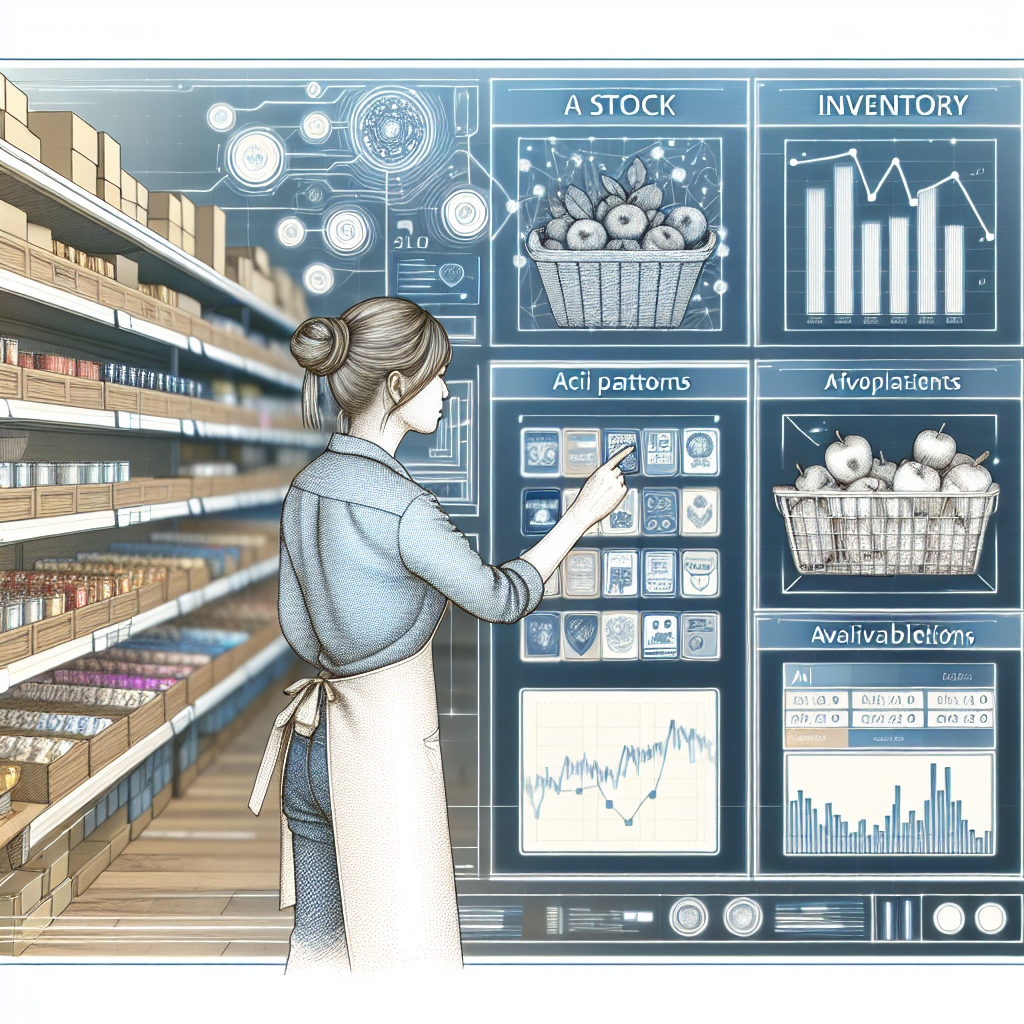
In today’s fast-paced retail landscape, small businesses face immense challenges in maintaining efficient inventory management. Often limited by resources and manpower, these businesses struggle to keep pace with larger competitors who utilize advanced technologies for operational excellence. Enter Artificial Intelligence (AI)—a game-changing ally that holds the potential to revolutionize inventory management. This article delves deeply into how AI can streamline operations in small retail environments, enhancing efficiency, reducing costs, and ultimately driving profitability.
What is AI in Inventory Management?
Understanding AI
Artificial Intelligence refers to the simulation of human intelligence in machines programmed to think and learn in a manner akin to human cognition. In the realm of inventory management, AI employs algorithms and data analytics to forecast demand, optimize stock levels, and automate various inventory tasks.
The Role of AI in Inventory Management
AI works by analyzing vast quantities of data—sales patterns, supplier performance, market trends, and customer preferences—to provide actionable insights. It enhances decision-making, mitigates risks, and improves accuracy in everything from ordering to stockkeeping.
Benefits of AI for Small Retailers
1. Demand Forecasting
Accurate demand forecasting is crucial for small retailers. AI algorithms analyze historical sales data, seasonal trends, and external factors to predict future demand. This capability allows retailers to make informed purchasing decisions, preventing overstocking or stockouts.
- Example: A local clothing store can anticipate increased sales during holiday seasons or local events, enabling them to prepare adequately.
2. Automated Ordering
AI can automate the inventory ordering process, saving valuable time and reducing human error. When stock levels hit a predefined threshold, the system can automatically generate purchase orders to suppliers.
- Example: If a coffee shop’s inventory of ground coffee falls below a certain level, AI will trigger an order, ensuring consistent availability.
3. Enhanced Inventory Visibility
AI-driven inventory management systems provide real-time visibility into inventory levels, locations, and movements. This transparency minimizes discrepancies, reduces shrinkage, and optimally aligns stock levels with customer demand.
4. Improved Supplier Relationship Management
AI can evaluate supplier performance based on delivery times, quality, and reliability. By analyzing this data, retailers can identify the best suppliers for their needs, negotiate better terms, and enhance overall supply chain effectiveness.
5. Inventory Categorization and Organization
Using AI, retailers can categorize their inventory intelligently, making it easier to locate products. By analyzing sales velocity and customer buying patterns, AI can suggest efficient layouts and reorganizations of inventory storage.
Implementation of AI in Small Retail Inventory Management
Choosing the Right AI Tools
The first step in integrating AI into inventory management is selecting the appropriate tools. Numerous software solutions cater specifically to small retailers, including:
- Inventory Management Systems (IMS): These platforms often come bundled with AI functionalities for demand forecasting, automated reordering, and analytics.
- Point of Sale (POS) Systems: Many modern POS systems integrate AI capabilities, enabling real-time inventory tracking and customer insights.
Data Collection
Data is the foundation of any AI system. Small retailers need to ensure they collect reliable and relevant data, including:
- Sales data
- Customer feedback
- Supplier performance metrics
Training Staff
Implementing AI goes beyond technology; employee training is critical. Staff should understand how to use the new systems, interpret AI outputs, and adapt their workflows accordingly.
Challenges of Implementing AI in Small Retail
While AI offers numerous advantages, small retailers may face challenges during implementation:
1. Cost Concerns
Many small business owners may hesitate due to perceived high costs associated with AI tools. However, it is essential to consider long-term gains, such as increased efficiency and reduced waste, which can offset initial expenses.
2. Data Security
With the increasing reliance on data comes the risk of data breaches. Small retailers must implement robust security protocols to protect sensitive information.
3. Change Management
Adapting to new systems and processes can be daunting for employees. Retailers should ensure a smooth transition by providing proper support and gradually introducing AI functionalities.
4. Limited Tech Knowledge
Some small retailers might struggle with the technical aspects of AI. Partnering with tech consultants or engaging with user-friendly platforms can mitigate these concerns.
Future Trends in AI for Small Retail Inventory Management
1. Predictive Analytics
The future of AI in inventory management is likely to focus increasingly on predictive analytics. Advanced algorithms will continue to evolve, providing even more accurate demand forecasts by analyzing real-time data and customer behavior.
2. Integration with IoT
Internet of Things (IoT) devices will increasingly connect with AI inventory systems, offering real-time tracking of inventory at multiple locations. This reveals valuable insights into the supply chain and inventory levels for better decision-making.
3. Increased Customization
As AI technology matures, small retailers can expect more tailored solutions fitting their unique needs, allowing for increased personalization in inventory management strategies.
4. Enhanced Customer Experience
AI-driven inventory management will ultimately lead to improved stock availability, resulting in better customer experiences. Satisfied customers are more likely to become repeat buyers, providing a crucial boost to sales.
Real-World Success Stories
Case Study 1: Local Grocery Store
A small grocery store implemented an AI-driven inventory management system that accurately predicted seasonal demand spikes. By automating the ordering process, they reduced stockouts by 30% during peak periods and saw a 15% increase in overall sales.
Case Study 2: Craft Shop
A local craft store utilized AI for inventory categorization, which resulted in streamlined operations and reduced customer complaints about product availability. They reported a 40% decrease in time spent on manual stock checks.
Case Study 3: Coffee Shop Chain
A small coffee shop chain adopted an AI system that improved supplier relationship management. They negotiated better contracts based on supplier performance analytics, ultimately reducing order costs by 20%.
Conclusion
AI presents an unprecedented opportunity for small retailers to enhance inventory management, streamline operations, and elevate profitability. While challenges remain, the benefits of adopting these advanced technologies are undeniable. As the retail landscape continues to evolve, embracing AI is no longer a luxury—it’s a necessity for survival and growth. By harnessing the power of AI, small retailers can compete more effectively, offering superior customer experiences and laying the groundwork for long-term success.
Call to Action
For small retailers eager to enhance their inventory management, take the first step today. Research AI-powered solutions that fit your unique business needs, and start your journey toward more efficient operations. Embrace the future of retail now!