Introduction
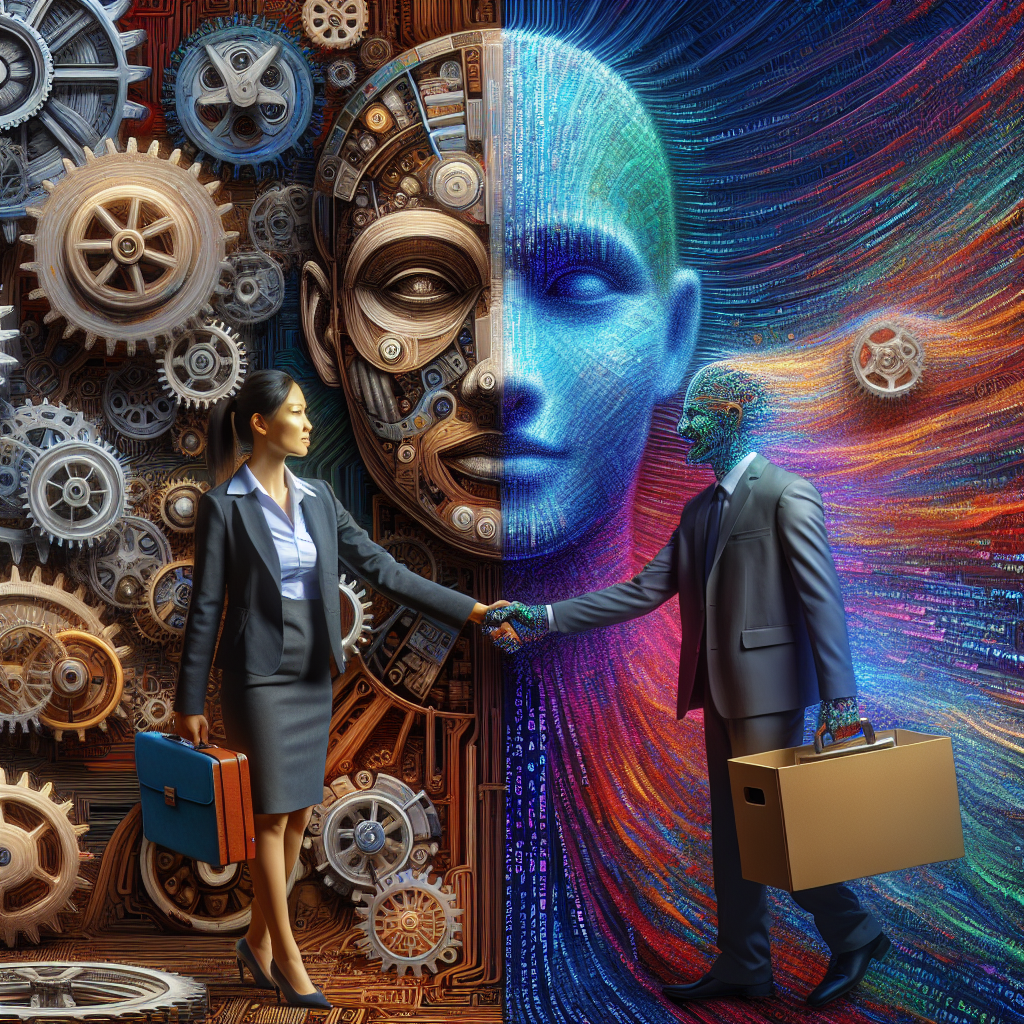
The surge of artificial intelligence (AI) technologies is one of the defining phenomena of our era. With rapid advancements in machine learning, natural language processing, and automation, businesses are increasingly leveraging AI to enhance efficiency, reduce costs, and improve decision-making. However, this rise of AI has sparked a significant debate: will it lead to job displacement, or will it create new opportunities for the workforce? This article aims to explore both sides of the argument, providing a comprehensive view of the impact of AI on employment.
Understanding AI and Its Implications
What is Artificial Intelligence?
Artificial intelligence refers to computer systems designed to simulate human intelligence processes. This includes learning, reasoning, problem-solving, and understanding language. Technologies such as chatbots, autonomous vehicles, and intelligent robots are clear examples of AI applications.
The Promise of AI
AI promises to streamline operations across various industries, offering enhancements such as:
- Increased Efficiency: AI can process data faster than humans, allowing for quicker decision-making.
- Cost Reduction: Automation can significantly lower labor costs, benefiting companies financially.
- Enhanced Accuracy: AI systems can minimize human error in tasks requiring precision, such as medical diagnoses and financial analyses.
While these benefits are laudable, concerns about the societal implications, particularly regarding employment, cannot be overlooked.
The Concerns Surrounding Job Displacement
Automation of Routine Jobs
One of the primary fears about AI is the automation of routine jobs. Sectors such as manufacturing, retail, and customer service have already witnessed significant automation. For instance, self-checkout systems in supermarkets replace cashiers, and assembly line robots take over manufacturing tasks. A report by McKinsey estimates that up to 800 million global jobs could be displaced by automation by 2030.
How AI Impacts Various Sectors
-
Manufacturing: Robots perform repetitive tasks, reducing the need for human labor.
-
Transport: Self-driving technology threatens jobs in trucking and delivery services.
-
Healthcare: AI systems assist in diagnosis and patient management, threatening administrative roles.
-
Finance: Automated trading systems and chatbots can perform tasks traditionally done by human brokers and financial analysts.
The Skills Gap
As traditional jobs become obsolete, an emerging skills gap is evident. The current workforce may not possess the necessary skills to transition into new roles created by AI. This predicament fuels anxiety and uncertainty about job prospects, especially for low-skilled workers.
New Opportunities Created by AI
Emergence of New Job Roles
While AI may displace several jobs, it also paves the way for new roles that never existed before. For instance, data scientists, AI specialists, and machine learning engineers are now in high demand. The World Economic Forum predicts that by 2025, 97 million new jobs will be created as a result of AI and automation.
Upskilling and Reskilling
In the face of job displacement, there is a growing emphasis on upskilling and reskilling the existing workforce. Educational institutions, businesses, and governments are increasingly collaborating to provide training programs that equip workers with skills necessary for evolving job markets.
Entrepreneurship and Innovation
The rise of AI also encourages entrepreneurship. Startups leveraging AI technologies are surfacing in sectors such as health tech, fintech, and agritech. These new business models can create jobs and drive economic growth, demonstrating that AI can be a catalyst for innovation.
The Balance: Navigating Job Displacement and Opportunities
Policy Implications
To address the dual challenges of job displacement and opportunities, policymakers must implement strategies that promote equitable labor markets. This could include:
- Retraining Programs: Investing in education and training systems that focus on skills relevant to the AI era.
- Social Safety Nets: Creating robust social safety nets, including unemployment insurance and job transition assistance.
Corporate Responsibility
Businesses must also shoulder the responsibility of supporting their employees through transitions. Implementing training programs, fostering a culture of lifelong learning, and prioritizing employee well-being can create a sustainable workforce capable of adapting to AI.
The Role of Communities
Communities play an integral role in adapting to the AI landscape. Local governments, educational organizations, and businesses can collaborate to offer resources and support systems for job seekers. Community initiatives focused on STEM education and vocational training can empower individuals and enhance job readiness.
Case Studies: AI in Action
To illustrate the impact of AI on jobs, let’s look at a few case studies:
1. Amazon and Warehouse Automation
Amazon has deployed AI robots in its warehouses to enhance efficiency. While this has reduced the number of low-skilled jobs available, it has also created roles in tech support, robot maintenance, and logistics management.
2. IBM’s Watson
IBM’s Watson has revolutionized sectors like healthcare by assisting professionals in diagnosis and personalized treatment plans. This technology has allowed healthcare workers to focus more on patient care rather than administrative tasks.
3. Tesla and Self-Driving Technology
Tesla’s development of self-driving cars has implications for the transport sector. While it threatens traditional driving jobs, it has also created roles in AI development, vehicle maintenance, and software engineering.
Future Outlook: Job Market Predictions
The Evolving Job Landscape
The landscape of job roles will continue to evolve as AI technologies advance. Jobs will likely shift from routine tasks to roles that require problem-solving, creativity, and emotional intelligence—areas where humans excel.
An Adaptive Workforce
Workers will need to adopt a mindset geared towards adaptability and lifelong learning. As AI systems evolve, so too will the necessary skill sets, demanding a proactive approach to personal and professional development.
Conclusion
The rise of AI presents both challenges and opportunities within the world of work. While the concern of job displacement is valid, it is essential to recognize that AI also serves as a catalyst for innovation, job creation, and productivity enhancement. By emphasizing upskilling, fostering collaboration between stakeholders, and promoting adaptive labor policies, society can navigate the complexities that arise from this technological revolution. The future may be uncertain, but with a collective effort, we can harness the potential of AI to create a more inclusive and dynamic job market.
Call to Action
As we continue to explore the implications of AI on the workforce, it is crucial for individuals, educators, businesses, and policymakers to engage in conversations about the future of work. What can you do to prepare for the changes ahead? Whether you’re a job seeker, a business leader, or an educator, embracing the rise of AI as an opportunity rather than a threat can shape a better future for all.
This comprehensive examination of AI’s role in job displacement and opportunity underscores the importance of collaborative efforts in addressing workforce challenges. As technology continues to evolve, remaining adaptable and proactive will be key to thriving in the new digital economy.