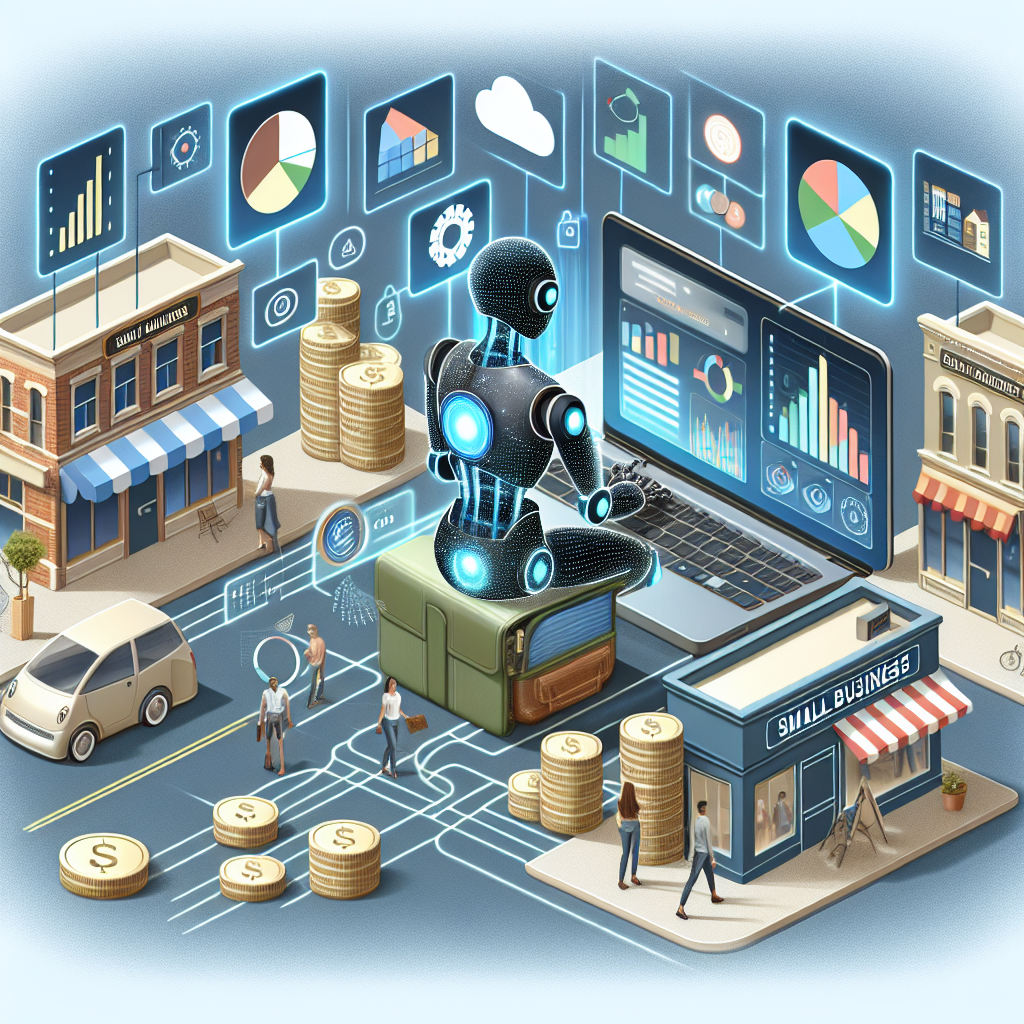
In today’s digital age, small businesses often find it challenging to compete with larger enterprises, especially when it comes to marketing. Marketing budgets can quickly spiral out of control, impacting the overall profitability of these smaller firms. The good news is that Artificial Intelligence (AI) is revolutionizing the way businesses approach budgeting and marketing strategies. This article delves into the concept of smart budgeting, showcasing how AI can effectively reduce marketing costs for small businesses.
The Importance of Budgeting in Marketing
H2: Understanding Marketing Budgets
Every successful marketing campaign starts with a solid budget. A marketing budget allocates resources effectively, ensuring that both short-term and long-term marketing goals are achieved. The primary components of a marketing budget often include:
- Advertising Costs: Spend on PPC, social media ads, etc.
- Content Creation: Costs associated with producing blogs, videos, and other content.
- SEO and SEM: Investments in search engine optimization and marketing.
- Market Research: Expenses related to understanding the target audience.
H2: Challenges Faced by Small Businesses
Small businesses often face unique challenges when it comes to budgeting:
- Limited Resources: With constrained budgets, every dollar needs to be effectively utilized.
- Lack of Expertise: Many small businesses may not have a dedicated marketing team that understands how to allocate resources optimally.
- Data Overload: Small business owners may struggle to interpret data without advanced analytic tools.
Smart Budgeting Defined
H2: What is Smart Budgeting?
Smart budgeting goes beyond traditional budgeting methods, incorporating AI and analytics to optimize expenditure. It enables businesses to forecast, track, and analyze spending in real-time, making it possible to allocate resources more efficiently.
H2: How AI Transforms Budgeting
AI technologies can provide predictive analytics, automated reporting, and machine learning capabilities that help small businesses:
- Make data-driven decisions.
- Gain insights into customer behavior.
- Identify inefficiencies and areas for optimization.
The Role of AI in Reducing Marketing Costs
H2: Data Analysis and Insights
H3: Predictive Analytics
AI algorithms can analyze historical data and predict future trends, enabling small businesses to adapt their marketing strategies. For example, understanding seasonal trends can help allocate budgets more effectively, avoiding wasted expenditure during low-demand periods.
H3: Customer Segmentation
AI can identify different customer segments and preferences. Tailoring marketing messages for specific groups enhances conversion rates and reduces wasted spend on generalized campaigns.
H2: Automation and Efficiency
H3: Automated Marketing Solutions
Automation tools powered by AI, like chatbots, email marketing systems, and social media schedulers, can significantly reduce labor costs. For example:
- Chatbots: Responding to customer inquiries automatically frees up staff time.
- Email Marketing: AI can optimize send times and content based on user engagement metrics.
H2: Enhanced Targeting
H3: Programmatic Advertising
AI technologies allow for programmatic advertising, where ads are bought and sold in real-time based on user data. This means that small businesses can target their advertising spend more effectively, ensuring that only the most relevant audiences are reached.
H3: Dynamic Pricing Strategies
Using AI, small businesses can analyze competitor pricing and adjust their own strategies accordingly. This real-time adjustment minimizes markdowns while maximizing sales opportunities.
Implementing AI-Powered Smart Budgeting
H2: Step-by-Step Guide to Integration
H3: Identify Your Objectives
Before implementing AI, small businesses must outline their marketing objectives. Knowing what to achieve helps in selecting the right AI tools.
H3: Choose the Right Tools
There are various AI tools available, such as Google Analytics, HubSpot, and Hootsuite. Selecting tools that fit specific needs is crucial.
H3: Monitor and Adjust
Once AI tools are in place, continuous monitoring and adjustment are necessary. Analyze performance metrics regularly to ensure that strategies are working as intended.
Case Studies: Success with AI-Driven Budgeting
H2: Real-World Examples
H3: Case Study 1: Retail Store
A small retail store implemented an AI-driven shopping cart abandonment tool. The tool analyzed user behavior and sent personalized email reminders to potential customers. This approach increased conversion rates by 25%, significantly reducing overall marketing costs.
H3: Case Study 2: Local Restaurant
A local restaurant used AI to analyze peak dining times and customer preferences. By adjusting their advertising spending according to the insights gained, they increased reservations during off-peak times and minimized budget wastage on ineffective ads.
The Future of Smart Budgeting and Small Business Marketing
H2: Trends to Watch
The evolution of AI presents exciting opportunities for small businesses. Upcoming trends include:
- Increased personalization in marketing.
- Better predictive analytics for forecasting trends.
- Advanced tools for real-time budget adjustments.
H2: Preparing for the Future
Small businesses need to remain agile. Continuous learning about emerging technologies and trends will be pivotal in maintaining a competitive edge.
Conclusion
Smart budgeting through AI technologies offers small businesses a pathway to reduce marketing costs while optimizing effectiveness. By leveraging predictive analytics, automating processes, and enhancing targeting strategies, businesses can ensure that every marketing dollar is well spent. As AI continues to evolve, adapting these technologies will be crucial for staying ahead of the curve and ensuring sustained growth and profitability.
By implementing smart budgeting strategies today, small businesses can transform their marketing approach and set the stage for future success.
SEO Optimization
- Main Keyword: Smart Budgeting
- Related Terms: AI, marketing costs, small businesses, predictive analytics, automation, customer segmentation, programmatic advertising.
This article has been structured with clear headings to enhance readability and optimize for search engines, catering to various user intents from informational to transactional searches. By adhering to Google AdSense’s content policies, the article is designed to be informative and applicable for a broad audience in the small business sector.